
Last updated November 15, 2026
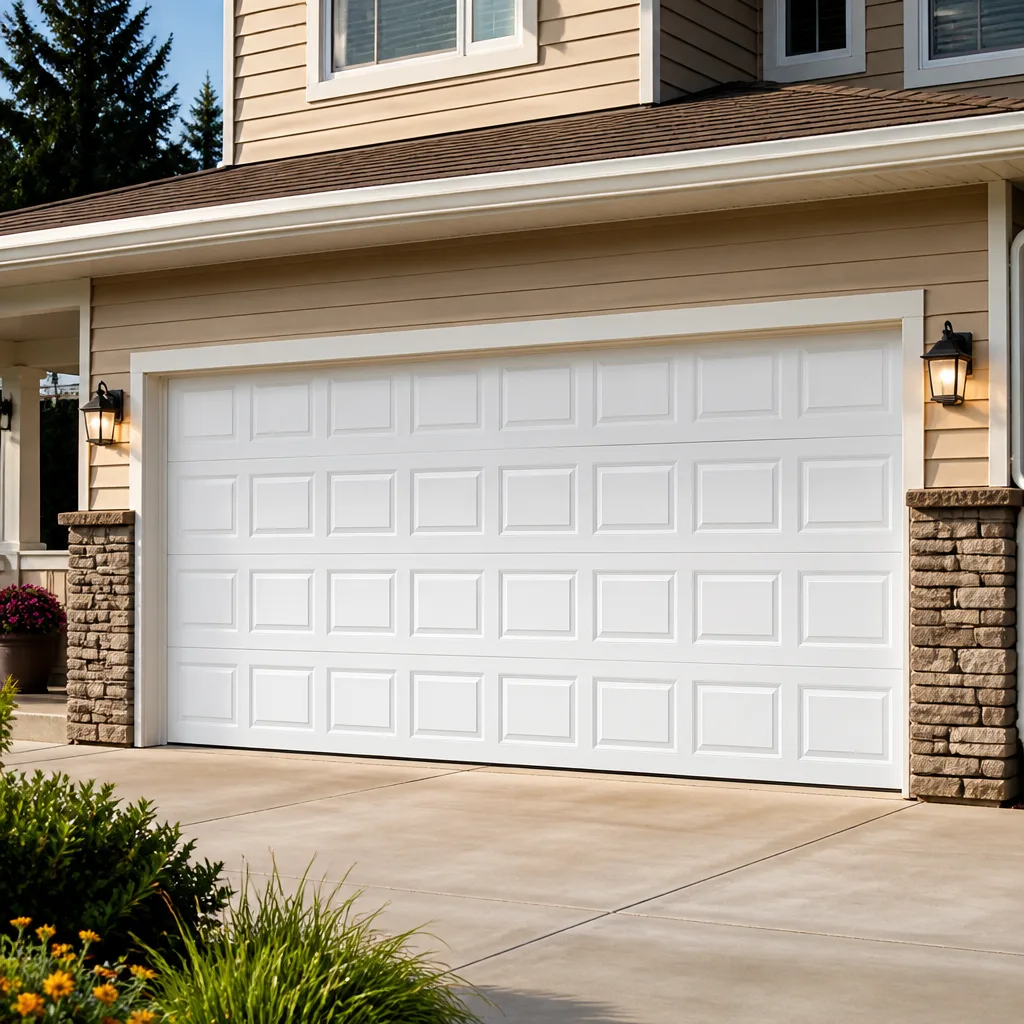 Raised-panel steel
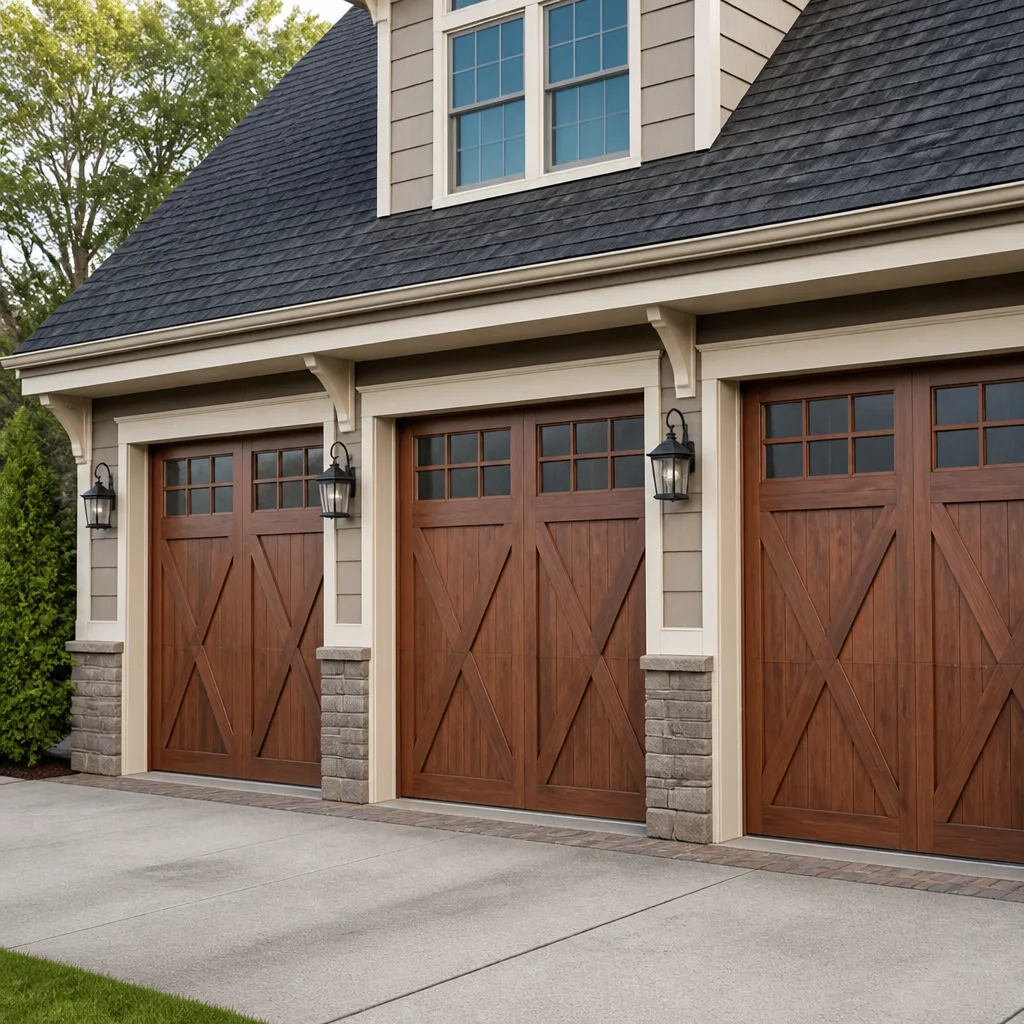 Carriage house
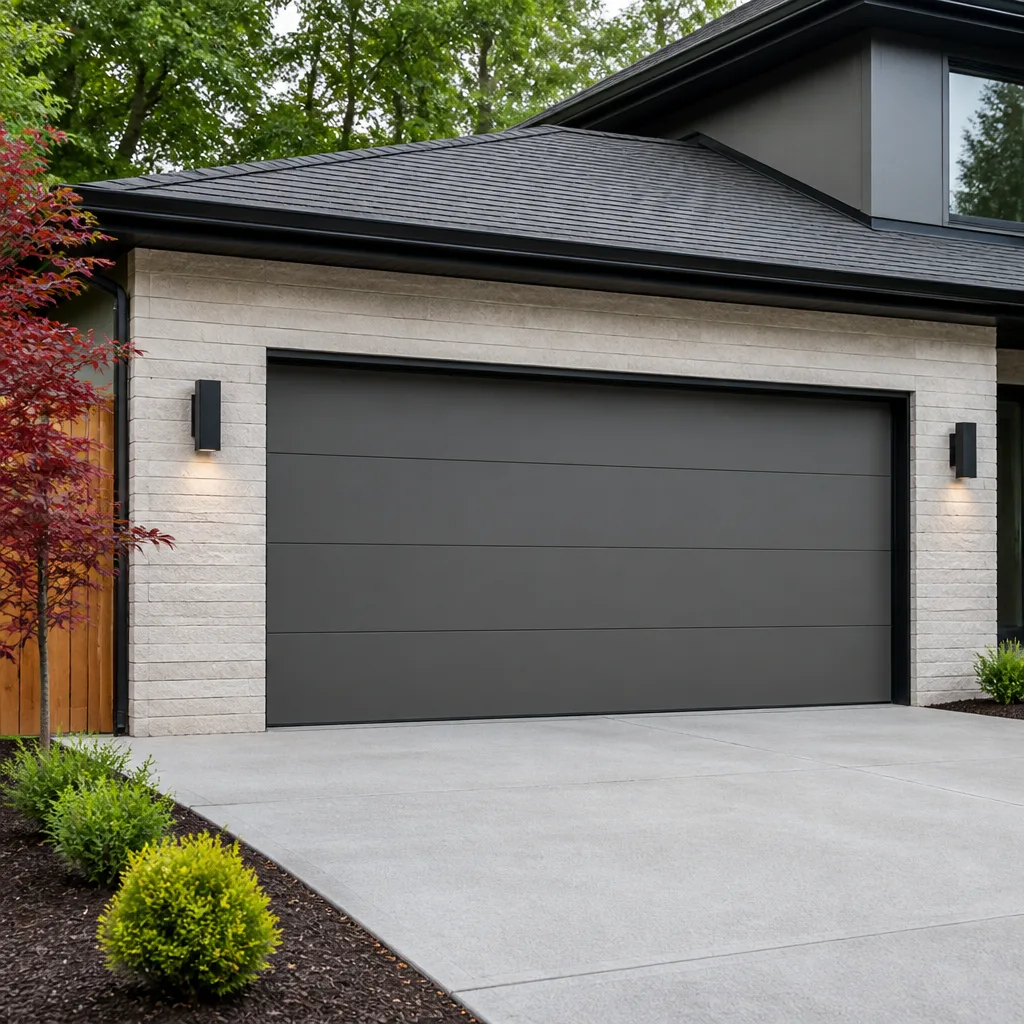 Modern flush
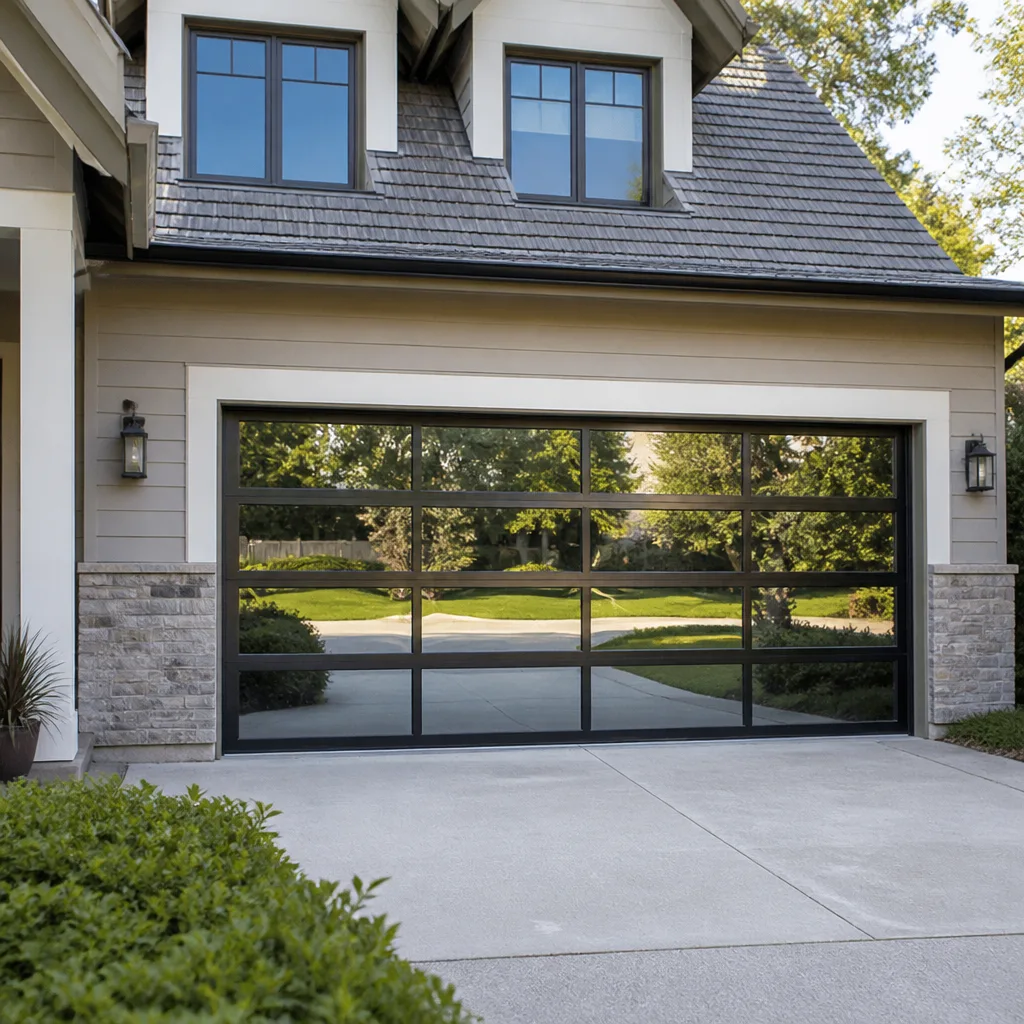 Full-view glass
 LiftMaster openers
 Chamberlain openers
Full 25-point door and opener safety check with every visit - springs, cables, rollers, tracks, and your LiftMaster or Chamberlain opener included
You get a price before we start. It does not change when the pro arrives.
Get your free estimateGarage Door Repair Maintenance Schedule: What to Do and When
Most garage door failures don’t announce themselves with a loud bang. They build up quietly, over months, in the parts nobody looks at until something stops moving. In Abilene, the trigger is usually heat. A door that ran fine all spring starts dragging in July because the rollers were never lubricated and the grease cooked into a sticky film that attracts grit. Ten minutes of the right work at the right time prevents most of it. This guide gives you a maintenance calendar built around West Texas weather, not a generic national one, plus the specific products, checks, and records that keep a door running.
Quick Answer
The short version: lubricate rollers, hinges, and the torsion bar every four to six months, with a full pass in April before the heat arrives and again in October once it breaks. Run a balance test and a force test every quarter, inspect hardware annually, and expect rollers around the seven-year mark and springs at roughly 10,000 cycles. Everything else on a garage door is either a visual check you can do in two minutes or a job that belongs with a trained technician.
Styles & brands we work with
- Raised-panel steel
- Carriage house
- Modern flush
- Full-view glass
- LiftMaster openers
- Chamberlain openers
Table of Contents
- Why Maintenance Timing Matters More Than Maintenance Itself
- The Month-by-Month Calendar for Abilene
- Choosing a Lubricant That Survives Abilene Heat
- The Two 60-Second Tests Worth Doing Quarterly
- Hardware Inspection by Component Lifespan
- What to Log and Photograph at Every Maintenance Pass
- Opener Care and the Brand Question
- Common Mistakes to Avoid
- When to Call a Professional
- Frequently Asked Questions
Why Maintenance Timing Matters More Than Maintenance Itself
A garage door is a hundred or more moving parts working against gravity, and most of them are oiled at the factory and never touched again. The factory lubricant doesn’t disappear on a schedule. It degrades at a rate set by temperature, dust, and how often the door cycles. Two identical doors in two different climates need two different maintenance intervals. A door on a shaded street in a mild climate might coast through a year without complaint. A door baking on a west-facing wall through an Abilene summer is a different situation entirely.
Here’s what actually happens to under-maintained hardware in this part of Texas. Summer temperatures push metal surfaces hot enough that light oils thin out and run off the rollers, leaving steel against steel. Dust from dry, windy stretches blows into the tracks and mixes with whatever lubricant is left. That mixture is abrasive. Over a season it wears roller bearings and hinge pins faster than the door’s cycling pattern alone would. When the cold arrives in December and January, that same worn, under-lubricated hardware gets stiff and starts pulling harder on the spring, which is the part you least want stressed.
The result is that a door can seem fine through the mild months and then fail in the middle of a heat wave or a cold snap, on a day when you need the car out of the garage. The failure looks sudden. It isn’t. It’s the end of a slow process that started with a skipped lubrication pass.
Maintenance timing isn’t a marketing invention. It’s the cheapest way to keep a door from turning a $0 afternoon into a repair call, and it costs almost nothing to follow. If you take one thing from this guide, take the seasonal rhythm: prep in spring, inspect in fall, tighten what’s loose before winter.
The Month-by-Month Calendar for Abilene
The generic advice you’ll find almost everywhere is “lubricate twice a year.” That’s not wrong, it’s just too vague to act on. Twice a year on what schedule? Which months? For Abilene, the useful version is tied to the two seasonal transitions that actually stress a door: the run-up to summer and the swing back from it.
Spring: Pre-Summer Prep (April and May)
This is the most important maintenance window on the calendar. Do it before the first stretch of triple-digit days, not after. A full lubrication pass in April means fresh lubricant protecting metal through the worst of summer, rather than a door relying on factory lubricant that’s already thinned out.
- Lubricate every roller bearing, hinge pivot, and the torsion bar. Use a product that stays where you put it under heat. More on this in the next section.
- Wipe the tracks clean with a damp cloth. Tracks should be free of grit, but never greased. If somebody greased your tracks (it happens), clean them thoroughly with a degreaser.
- Test the balance and force (next section). A spring that’s already weakened will show up here, before the summer load hits it.
- Tighten hinge and bracket bolts. Vibration from cycling has been shaking them loose all winter.
- Inspect the weather seal along the bottom for cracking and gaps. Sun and heat are hard on rubber.
- Check the door’s hardware for rust spots. Any you find get treated or replaced before summer, not after.
Summer: The Light Touch (June through September)
Don’t do heavy maintenance in summer if you can avoid it. The heat makes lubricants migrate and fresh grease on hot metal can run. This is a monitoring period. A visual once-over at the start of each month is enough: listen for a new squeak or grind, watch whether the door reverses or hesitates, and note anything that changed. If something sounds wrong, deal with it now rather than waiting for October.
Fall: Post-Summer Inspection (October)
Once the heat breaks, do a full pass again. October is the mirror of April. This is where you catch the wear summer caused: loose hardware from thermal expansion and contraction, lubricant cooked off by months of heat, and any spring that’s been pushed toward the end of its life. Tighten, lubricate, and test. The full set of tasks matches the spring list.
Winter: Cold-Snap Readiness (November and December)
Abilene winters are mild, but cold snaps happen, and they’re hardest on parts that are already worn. Before the first real cold arrives:
- Check that the door is balanced. A door that needs a hard push to start moving will be much harder to move in cold weather.
- Lubricate any hardware that showed wear in the October pass, using a cold-stable product.
- Verify the opener’s safety reversal still works. Cold weather is when a sluggish door is most likely to trigger or fail the safety sensor.
- Inspect the bottom seal for cracks that let cold air in and leave gaps.
By the time winter is here, the work is done. January and February are back to monitoring, and the cycle starts again in April. If you live in the older neighborhoods, where houses sit among mature trees that drop leaves and debris, the fall inspection should include a track cleaning because that material collects near the bottom rollers.
Choosing a Lubricant That Survives Abilene Heat
Here’s the counterintuitive part: bad lubrication is worse than no lubrication at all. If you apply a light spray oil meant for door hinges in a climate that hits 100°F, it will thin and migrate, pick up dust, and form a sticky film that traps grit in the roller bearings. The bearings then grind. You’ve created the wear you were trying to prevent, and the door is now noisier than before you started.
What works in this climate is a lubricant with a high melting point and enough body to stay in place. In practice, that means a silicone-based spray, a lithium or PTFE-based grease, or a purpose-made garage door lubricant that states a high temperature rating on the label. A few rules of thumb:
- Use silicone or PTFE spray on tracks if you feel you must lubricate, or better yet, keep tracks clean and dry. White lithium grease is a common choice for bearings and hinges, but some of the sticky versions hold on to dust. Read the label.
- Avoid thin penetrating oils on rollers and hinges. They clean well but don’t hold up. They evaporate or run off within weeks in summer heat.
- Never use WD-40 on the track. It’s a solvent, not a lubricant, and it washes away whatever protection was there.
- Reapply before the heat, not after. April is the time for the heavy application. July is a few drops at most.
- Wipe off excess. A light film is correct. Pools of lubricant collect dust.
If you’re not sure what your door needs, this is exactly the kind of thing to ask when you call. The right product for a Craftsman door chain drive is different from what a Raynor torsion setup needs, and someone familiar with the specific system can tell you what to use without overselling you a bucket of anything. For deeper work on the mechanism itself, a proper garage door repair visit will include lubricating and testing the whole system, so you’re not starting from scratch.
The Two 60-Second Tests Worth Doing Quarterly
Before any actual failure, a garage door gives you clues. Two simple tests catch the most common ones, and together they take about two minutes. Do both once a quarter, at minimum at the spring and fall maintenance passes.
The Balance Test
- Close the door and disconnect it from the opener using the emergency release cord. This detaches the door so you’re moving it by hand.
- Lift the door about halfway by hand, then let go.
- Watch. A properly balanced door will hold that position, or drift very slightly. A door that drops hard or slides down on its own is carrying too much load on the spring, or the spring has weakened and the door is fighting gravity.
- Reconnect the opener. If the door slammed down, don’t run the opener until it’s checked.
The balance test is the best early warning sign a torsion spring gives you. A spring rarely snaps without warning; it weakens gradually, and the balance test is how you catch the weakness before it fails. Most doors also have a manual release means you can operate, and you should know where it is.
The Force Test
Run the door up and down with the opener and watch for anything unfamiliar. Listen for a new grunt or grind. Then test the safety reversal: with the door travelling down, press the wall control or break the safety beam. The door should reverse immediately. If it doesn’t, stop using the opener until it’s fixed. That feature is what keeps people and pets out of the door’s path, and it’s the one check you shouldn’t skip.
What you’re watching for is consistency. A door that moves at the same steady speed every time and reverses cleanly is telling you it’s healthy. A door that speeds up partway, hesitates, or reverses only when it feels like it needs a look. Write down what you observe, along with the date. That log becomes the conversation piece when you eventually call for repair.
Hardware Inspection by Component Lifespan
Not every part deserves equal attention. Some parts should be visually checked every year and replaced only when they fail. Others have a predictable lifespan and should be replaced on a schedule whether or not they’re visibly worn. Knowing which is which saves you from replacing good hardware and from being surprised by a worn part that was due for replacement.
- Rollers: replace around the seven-year mark. Standard steel rollers wear their bearings and develop flat spots. Nylon rollers tend to last about the same or a bit longer. If you hear a rumble that keeps returning after lubrication, the rollers are the usual cause.
- Torsion or extension springs: rated for around 10,000 cycles. A cycle is one open and one close. At two cycles a day, that’s roughly 13 years; at four a day, about 6.5. These ratings are in the trade as “standard cycle”; heavy-duty springs are rated higher. You also factor in load and climate. In Abilene’s heat, we’d count on the lower end rather than the upper. Springs don’t fail only from age; they fail from fatigue, and heat accelerates fatigue.
- Hinges and bearings: check annually for play and wear. Replace hinges and rollers on a schedule as they loosen.
- Cables: inspect annually. Fraying and kinking mean replacement. This is not a homeowner task.
- Opener: motors typically last 10 to 15 years. The drive belt or chain and the safety sensors are the parts that need the most attention.
- Bottom seal: replaced on condition. Cheap, and important for keeping out dust, heat, and pests.
- Tracks: normally last the life of the door. They need alignment, not replacement, unless they’re actually bent.
The usual mistake is to fix what’s loose before a part is due to retire. A door with ten-year-old springs and a rumble isn’t fixed by new rollers on a dying spring. If you know your springs are past about ten years or near their rated cycles, plan the replacement before the spring tells you by failing. It’s the same logic behind replacing timing belts on a car at the recommended interval rather than waiting for it to snap.
What to Log and Photograph at Every Maintenance Pass
This is the part almost nobody does, and it’s the easiest. Keep a simple maintenance log. A notebook in the garage, or a note on your phone, works. Every time you do a maintenance pass, record:
- The date and the outdoor temperature. Abilene’s seasonal swings matter, and a technician looking at your log can connect a complaint to a specific season.
- What you did. Lubricated, tightened, replaced, cleaned. Be specific.
- What you observed. Any new sound, slower travel, gap in the seal, or spot on the track.
- A photo of the whole door, open and closed. It takes five seconds.
- A close-up photo of the spring and the cable ends. If something ever breaks, you have a record of what the hardware looked like when it was healthy.
- The model number and brand of the opener. This is the single most useful piece of information when you call for service. A LiftMaster, a Chamberlain, a Genie: each has known quirks and part numbers, and a technician who knows the system before arriving saves everyone time.
Why bother? Because a garage door repair call is a conversation between you and a technician about a piece of machinery. If you can say “it’s been getting louder since about August, here’s a photo from June,” you’ve given that technician the kind of context they’d normally have to build by asking a dozen questions over the phone. It makes the diagnosis faster. It can prevent an unnecessary part swap. And if you ever sell the house, the log passes to the next owner.
If you’re in a rental or managing a property, the log is even more important. Property managers handling multiple units need to know which door in which building had which repair, and a running log avoids the situation where an issue gets fixed twice because nobody checked the history. For properties across Abilene, keeping maintenance records per door and per address is the difference between managing a portfolio and reacting to it.
Once a year, take the log and photographs to a professional for a once-over, or use them when you call for an estimate. If something feels off and you want to know more before spending anything, a quick call to Burgess Garage Door Repair will give you a real answer. We have up to 11 years of experience among our technicians, and we work on the brand you already own.
Opener Care and the Brand Question
The opener is the motorized part, and it has its own maintenance needs, separate from the door. Most people think of the door and the opener as one unit. They’re not, and this is where a lot of single-trade companies come up short, either fixing door panels and leaving the motor to someone else, or the reverse. We do both, so a worn spring and a slipping belt get handled in one visit instead of two.
What the opener needs:
- Test the safety reversal every quarter. This is the critical check. The safety sensors (the two little eyes near the floor on either side of the door) must be clean and aligned. Something as simple as a dust film on the lens in dry weather can confuse them.
- Check the belt or chain tension once a year. It should have a small amount of give. Too tight and it strains the motor; too loose and it slips and wears.
- Lubricate the drive chain lightly, or leave the belt alone. Belts are self-lubricating. Chains benefit from a small amount of proper chain lubricant.
- Test the manual release. Make sure it disengages cleanly so you can free the door if the power is out. It’s the part people need and never check until they need it.
- Check the wall control and remotes for responsiveness. If the range drops or a button gets sticky, that’s a sign of wear.
Brand familiarity matters here. A Craftsman opener has a different control board layout than a LiftMaster, and the troubleshooting steps aren’t the same. We work on LiftMaster, Chamberlain, Genie, Clopay, Amarr, Wayne Dalton, Craftsman, and Raynor, so we’re already familiar with your system before we show up. If your opener is a brand we don’t list, call and we’ll tell you whether we can help, rather than leave you guessing. When the motor itself is beyond repair and you’re weighing a replacement, the full garage door opener repair service covers that conversation too, and we’ll tell you which option actually makes sense for your door and your daily cycling.
Common Mistakes to Avoid
We’ve seen a lot of well-intentioned maintenance that made things worse. Here are the ones that come up most often.
- Greasing the tracks. Tracks are meant to be clean and dry. Grease on the tracks attracts dust and grit, which grinds into the rollers and causes the noise it was intended to prevent. Clean them, don’t lube them.
- Using light household oil or WD-40 on rollers. In Abilene heat, these thin out and run off within weeks. The hardware ends up worse off than if it had been left alone. Use a product designed for high temperatures.
- Ignoring the spring rating. Homeowners often focus on the door panel and forget the spring carries the weight. A spring at its cycle limit will snap, and it usually does when you least expect it. Replace on condition or cycle count, not when it breaks.
- Skipping the safety reversal test. It’s the most important 30-second check on the door and the easiest to forget. If it fails, stop using the opener until it’s corrected.
- Doing a deep clean or repair during the hottest part of the day. Freshly lubricated hardware and hot metal don’t mix well, and it’s a bad time to be working overhead. Save the heavy work for spring or fall.
- Not keeping records. If you can’t tell a technician when the door started sounding different, or what brand and model the opener is, the diagnosis starts from zero. A two-minute log avoids that.
- Waiting for a “convenient” time to handle a small issue. A slight hesitation today is a stopped door in a month. Small issues are cheap to fix. Ignored ones get expensive and happen on a bad day.
The through-line is that most of these come from trying to do the maintenance without knowing what the parts need. That’s not a character flaw. It’s why the guide exists. If you’d rather have someone who knows what they’re looking at do the inspection, that’s a reasonable call too. More on that next.
When to Call a Professional
Some of this work is genuinely safe to do yourself: lubricating rollers and hinges, wiping down tracks, checking a seal, testing the balance and reversal, and keeping the log. That’s the homeowner’s share of the schedule, and it catches a lot.
Other things belong with a trained technician, full stop. A broken torsion spring or a snapped cable is under extreme tension, and the parts can release with serious force. Adjusting a torsion spring to correct a balance problem is the same hazard. If you see a broken spring, a frayed cable, or a door that’s hanging crooked, don’t run the opener, and don’t try to fix it yourself. Call a professional. That’s not a sales pitch; it’s the same advice any honest technician would give you, including about their own work.
Beyond the dangerous parts, call someone when the door has developed a new consistent noise, when the balance test shows it won’t hold, when the safety reversal fails, or when the opener behaves unpredictably. If you’ve done the maintenance and the door still isn’t right, the issue is beyond the routine pass, and it’s cheaper to diagnose it now than to replace a motorized unit later.
Burgess Garage Door Repair offers free estimates in Abilene. Call (844) 834-4604. We answer 24/7. Fast dispatch from 7am to 7pm, Sunday through Friday. When you call, tell us the brand, the model and what you’ve observed. We’ll work on what you already own, whether it’s a Craftsman, a Chamberlain, a Raynor or anything else on our list, and we’ll quote the price before any work begins.
Frequently Asked Questions
Every four to six months, with a full pass in April before summer heat arrives and again in October once it breaks. Summer and winter are monitoring periods, not deep-maintenance times. The short interval matters here because high temperatures break down light lubricants quickly, and a door that goes a full year without attention will see its hardware wear faster than a door in a milder climate.
Yes, for the safe parts: lubricating rollers, hinges and the torsion bar, cleaning tracks, inspecting the bottom seal, running the balance and force tests, and keeping the maintenance log. Don’t touch the springs or cables. Those are under heavy tension, and a mistake can cause serious injury. A broken spring or frayed cable is a job for a trained technician.
The balance test checks whether the door holds position when you lift it by hand to about halfway and let go. Run it quarterly, and always before and after the summer. A door that drops or slides down on its own is telling you the spring has weakened, and catching it then means you can schedule the repair rather than deal with a snap. Call (844) 834-4604 if the balance test fails; estimates are free.
About 10,000 cycles for a standard-cycle spring, which is one open and one close counted as a single cycle. At two cycles a day that’s roughly 13 years, at four cycles a day about 6.5. In Abilene’s heat, expect the lower end. If your springs are ten years or older, plan a replacement rather than wait for a failure.
Yes, in this climate. In summer you want to be a monitor, not a mechanic. Check the door by eye and ear monthly, avoid heavy lubrication on hot afternoons, and don’t lubricate a hot door at all if you can help it. Save the real work for April and October, and if something starts sounding wrong during summer, get it looked at before it fails all the way.
It helps. Brand and model tell a technician what they’re walking into and often what part they need, so the visit is faster and more likely to be fixed in one trip. If you don’t know, we can usually identify it on sight, but write it down somewhere in the garage for next time. If you’re switching from an old unit, we also handle garage door repair and opener work together. Call (844) 834-4604 for an exact quote before any work begins.
The Bottom Line
Maintenance timing is the cheapest insurance a garage door has, and in Abilene it’s not the same calendar as the one you’ll read elsewhere. Prep in April and May, monitor through summer, do the big pass in October, and tighten everything before December. Lubricate with a product built for heat, not thin spray oil. Run the balance and force tests quarterly. Replace rollers on their lifespan and springs on their cycle count, not when they fail. And keep a log and photos so the next repair starts with context, not guesswork.
Most of this is a couple of hours a year of your own time. The rest is a phone call when something looks wrong. Either way, your door gets back on track the right way, the first time.
Written by the team at Burgess Garage Door Repair.
See the difference
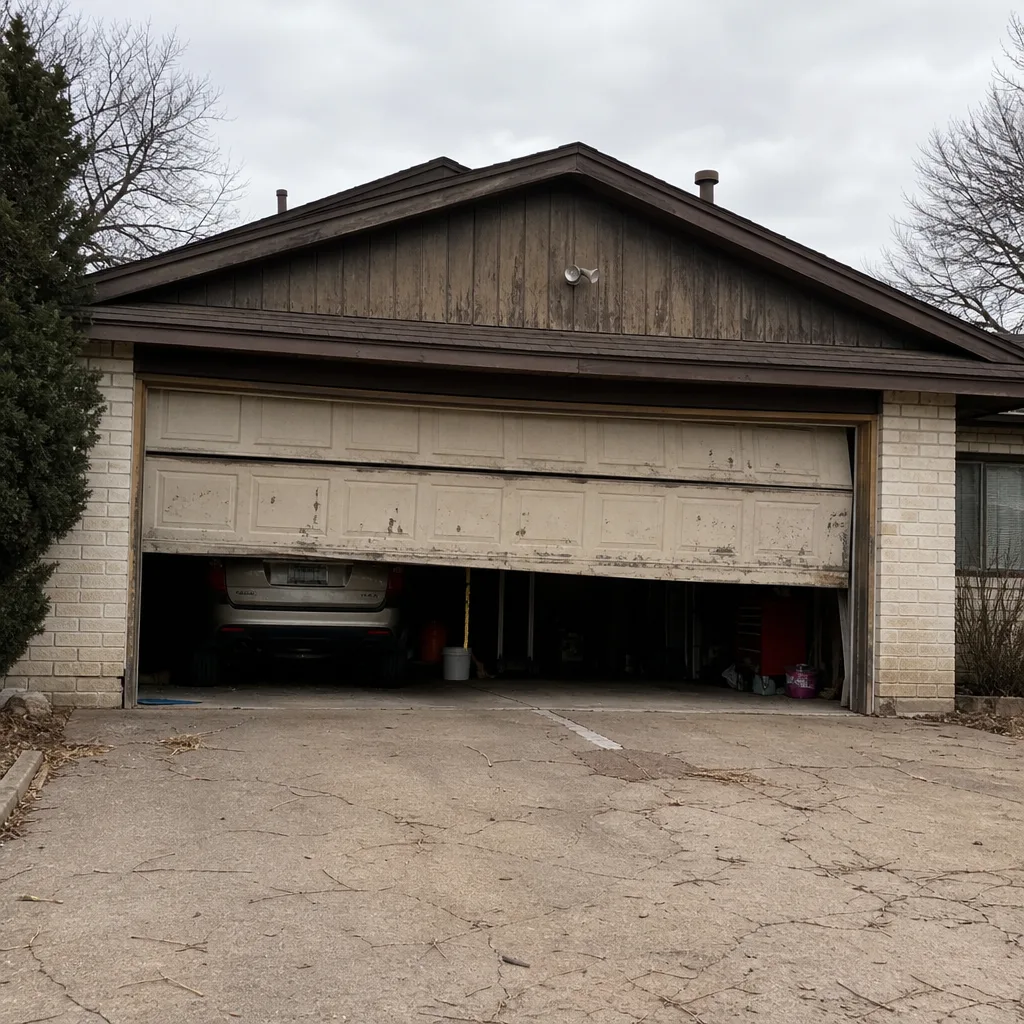 Before
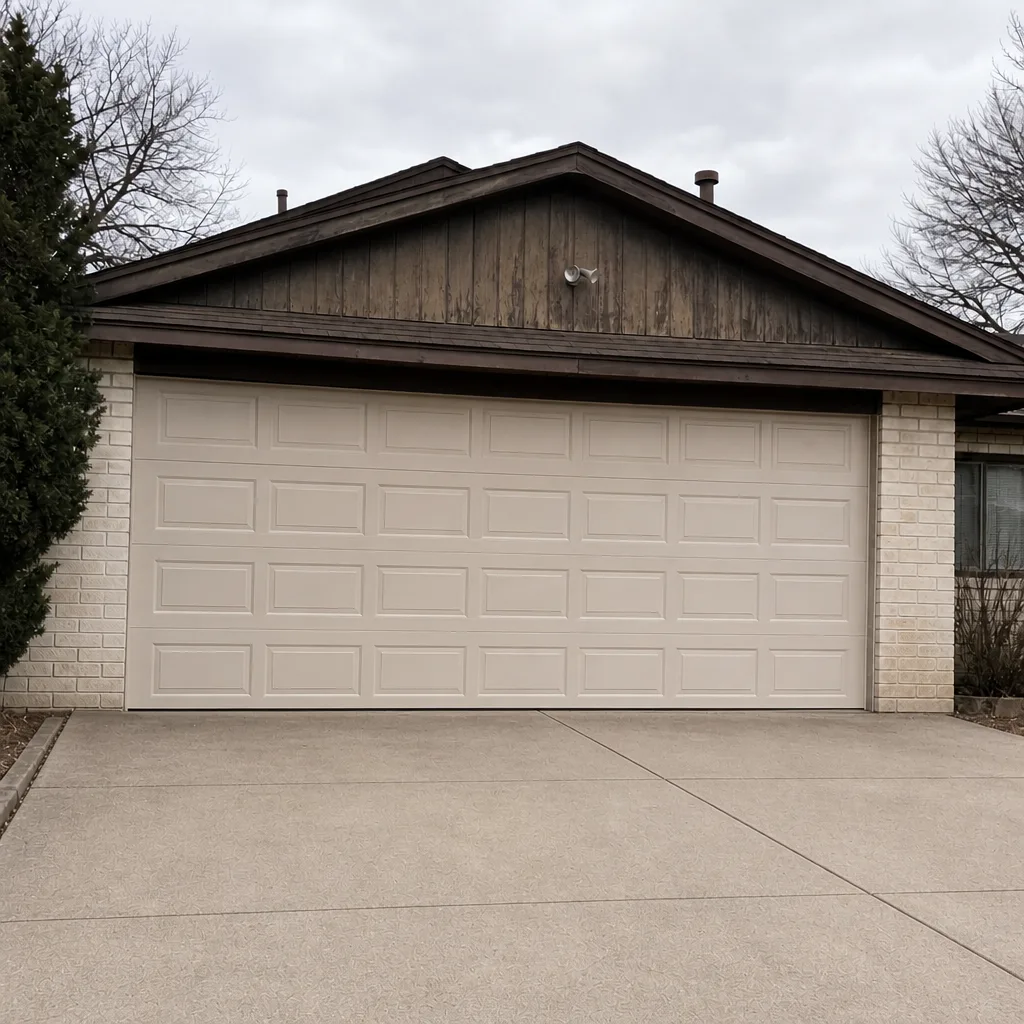 After
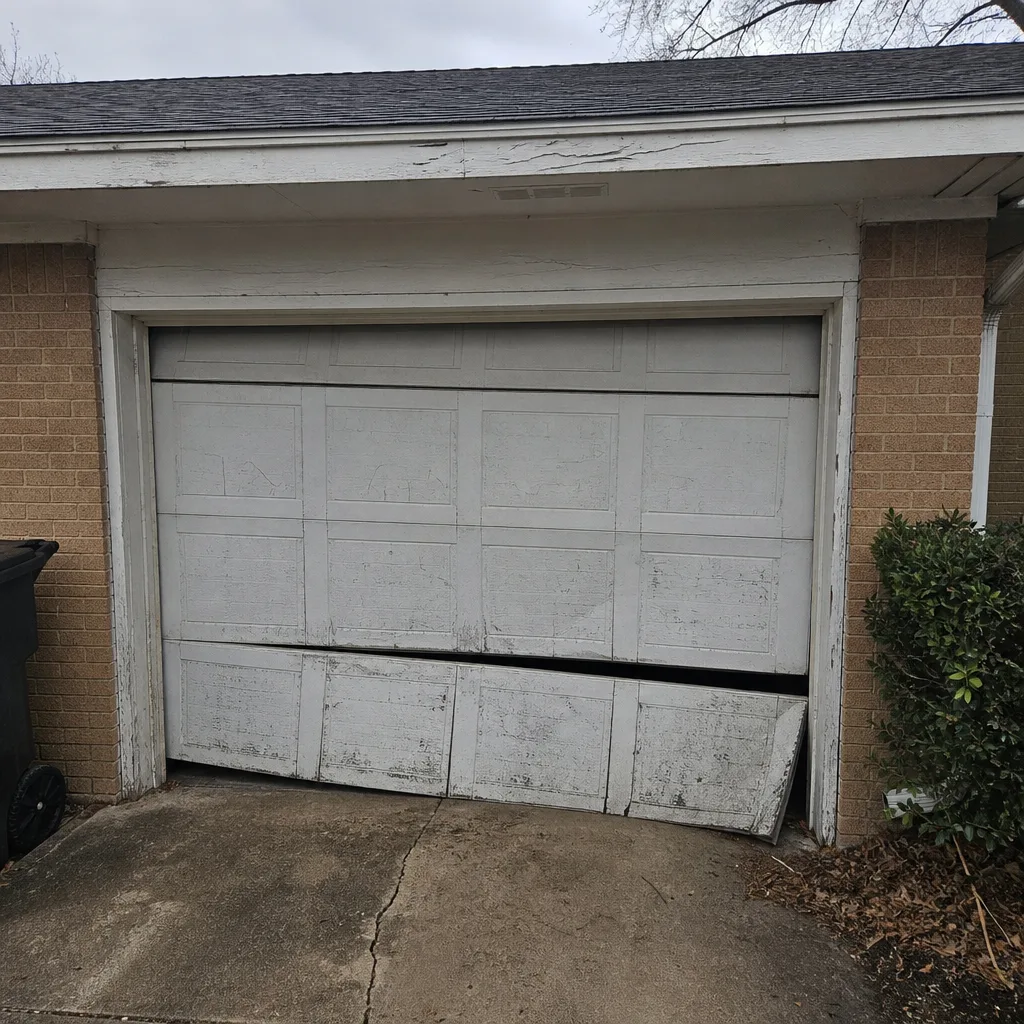 Before
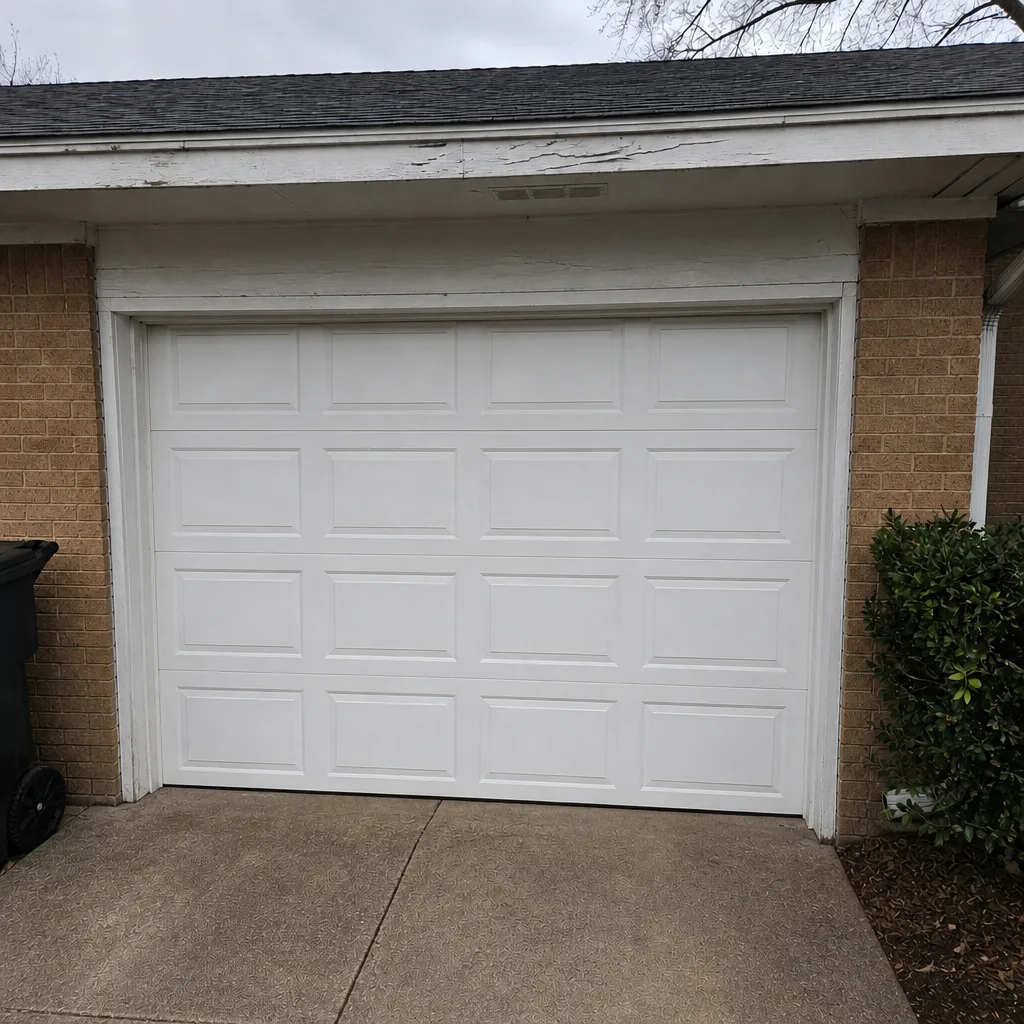 After
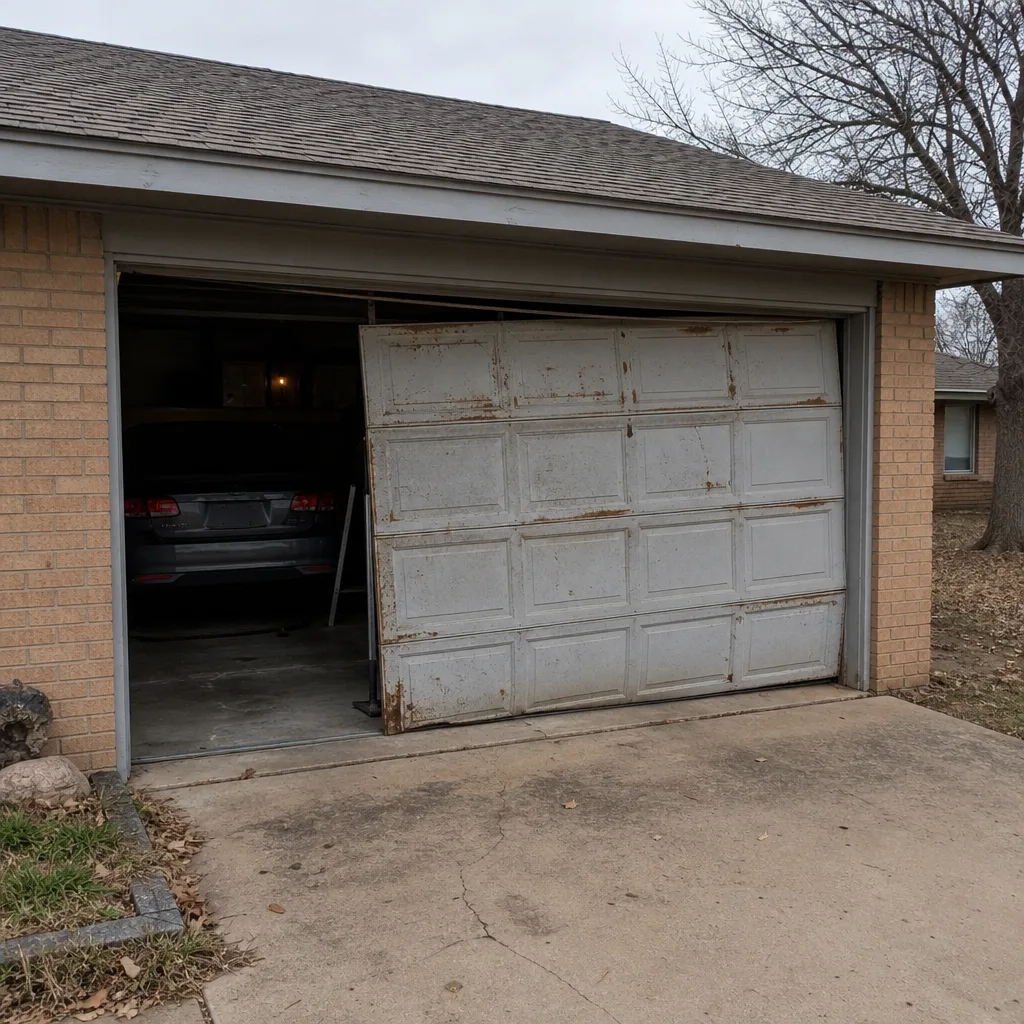 Before
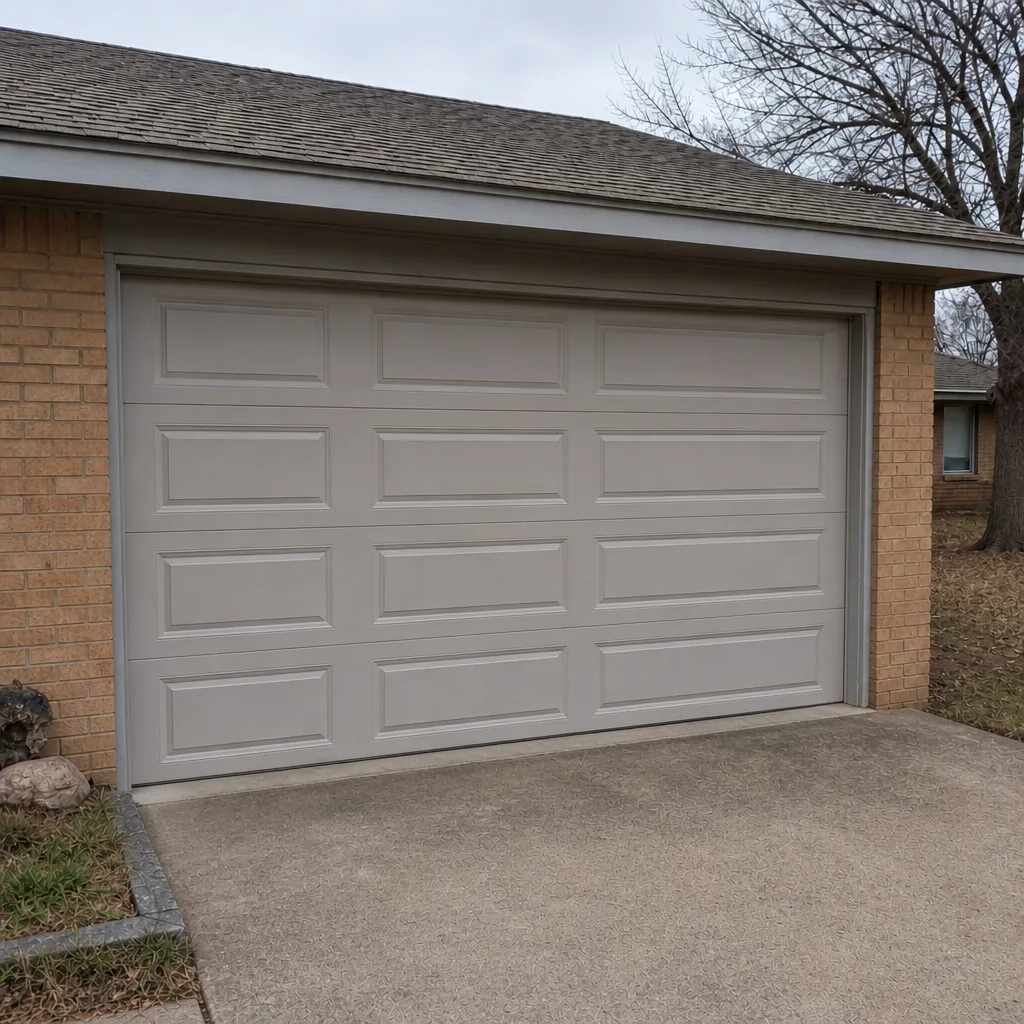 After