
Last updated November 15, 2026
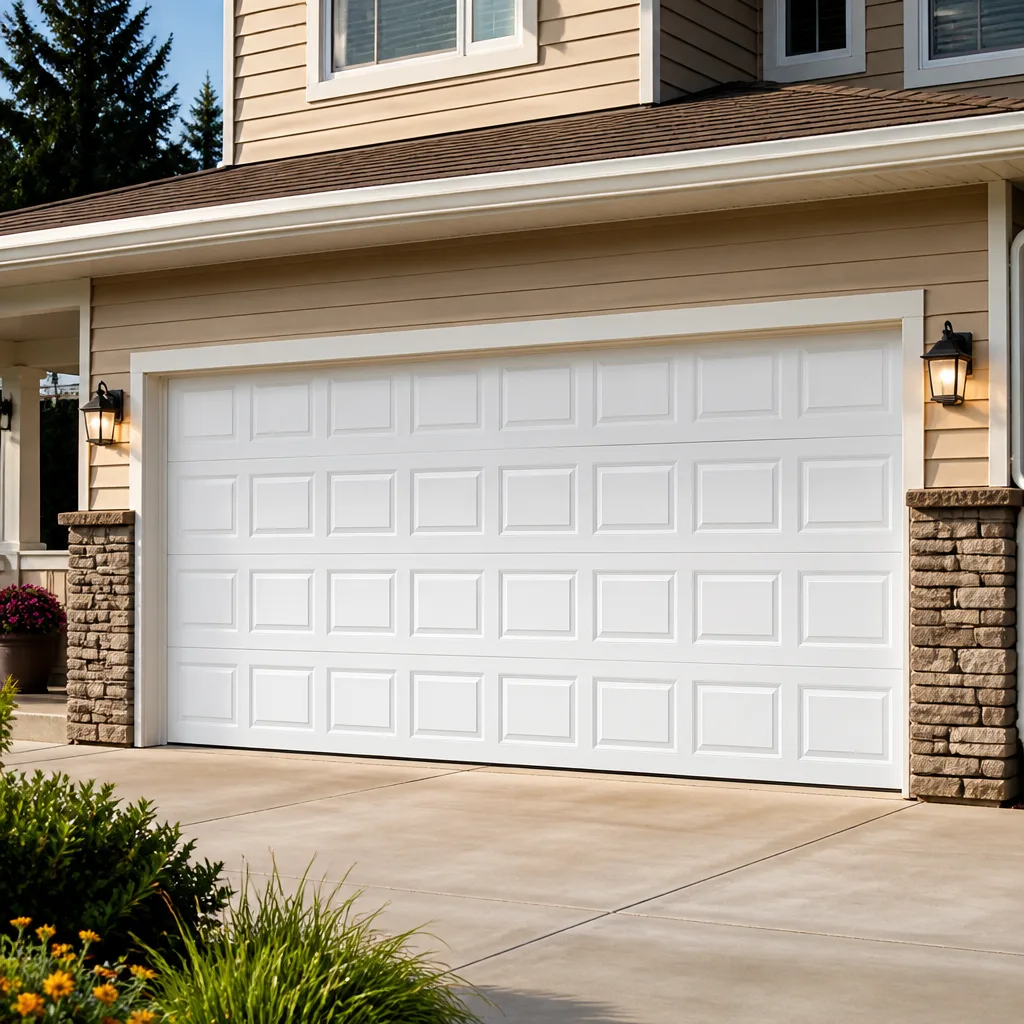 Raised-panel steel
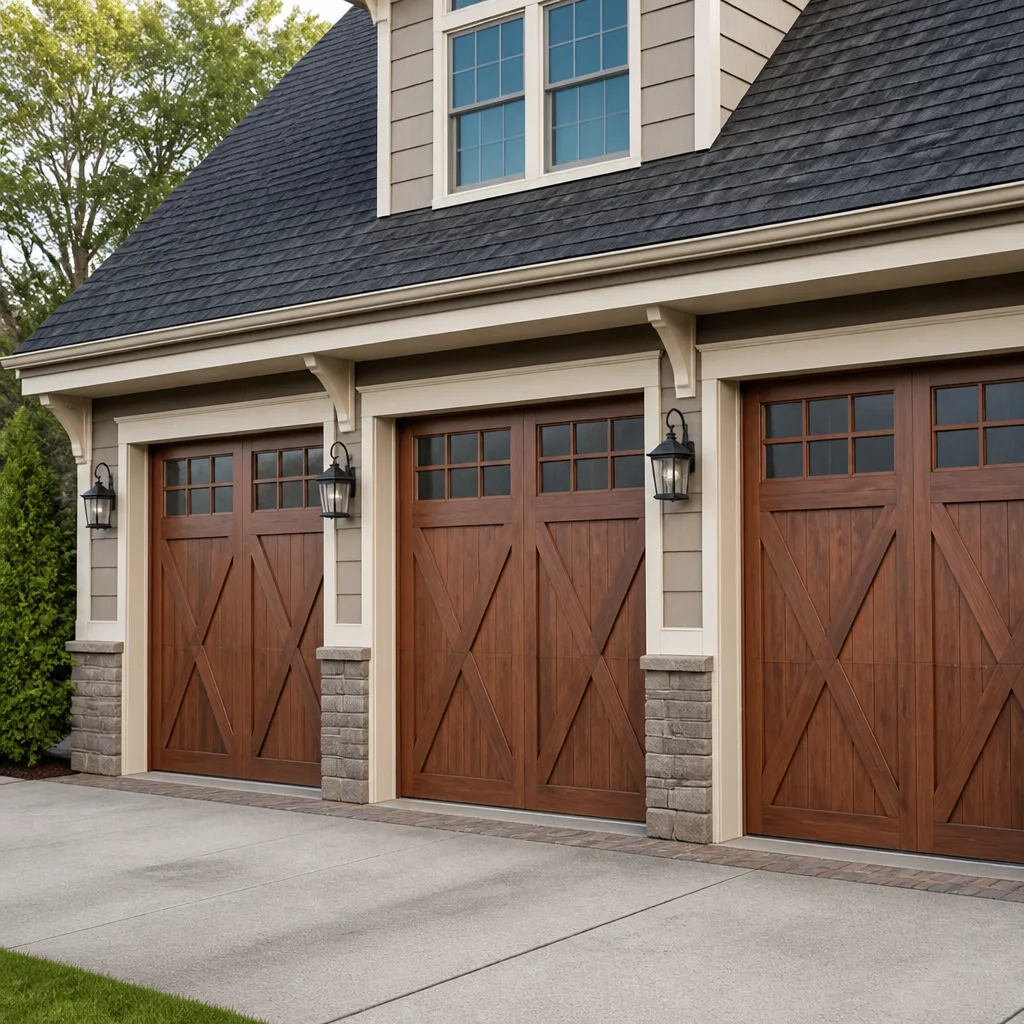 Carriage house
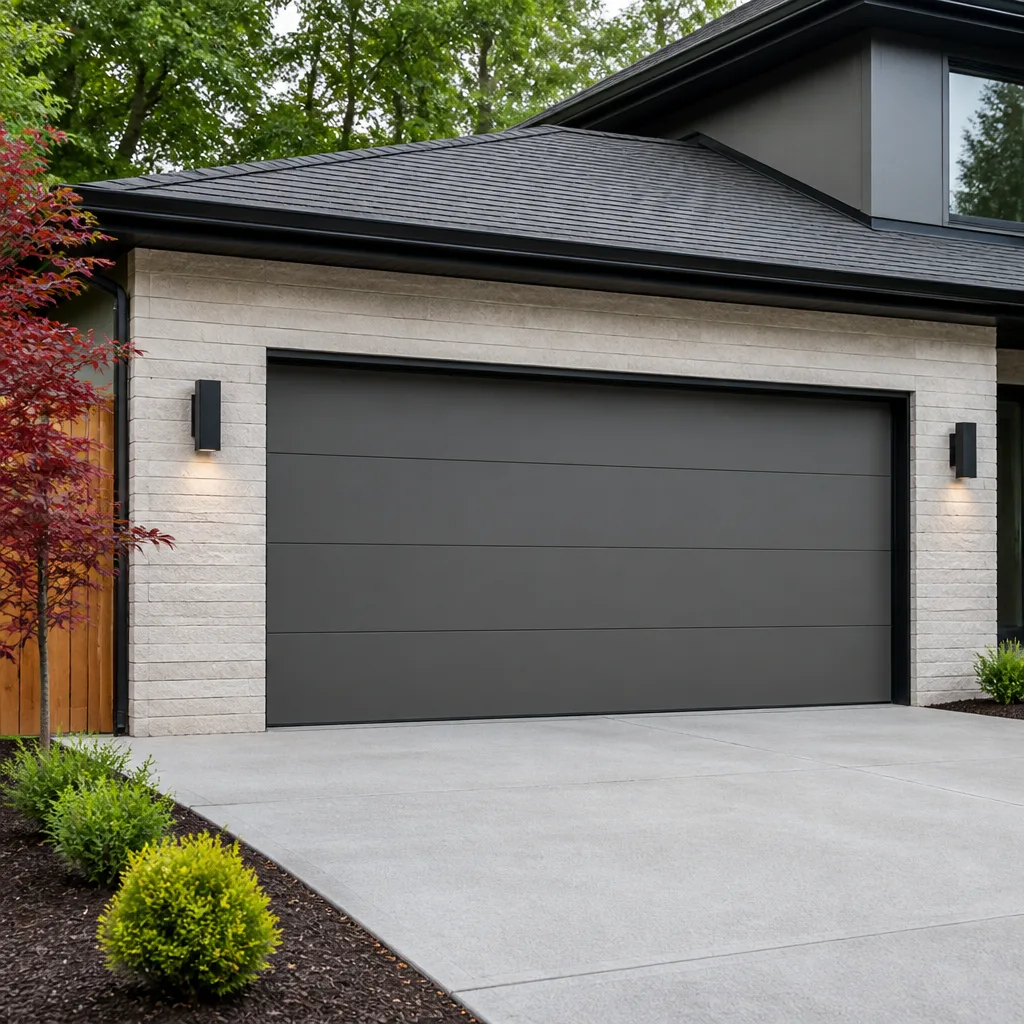 Modern flush
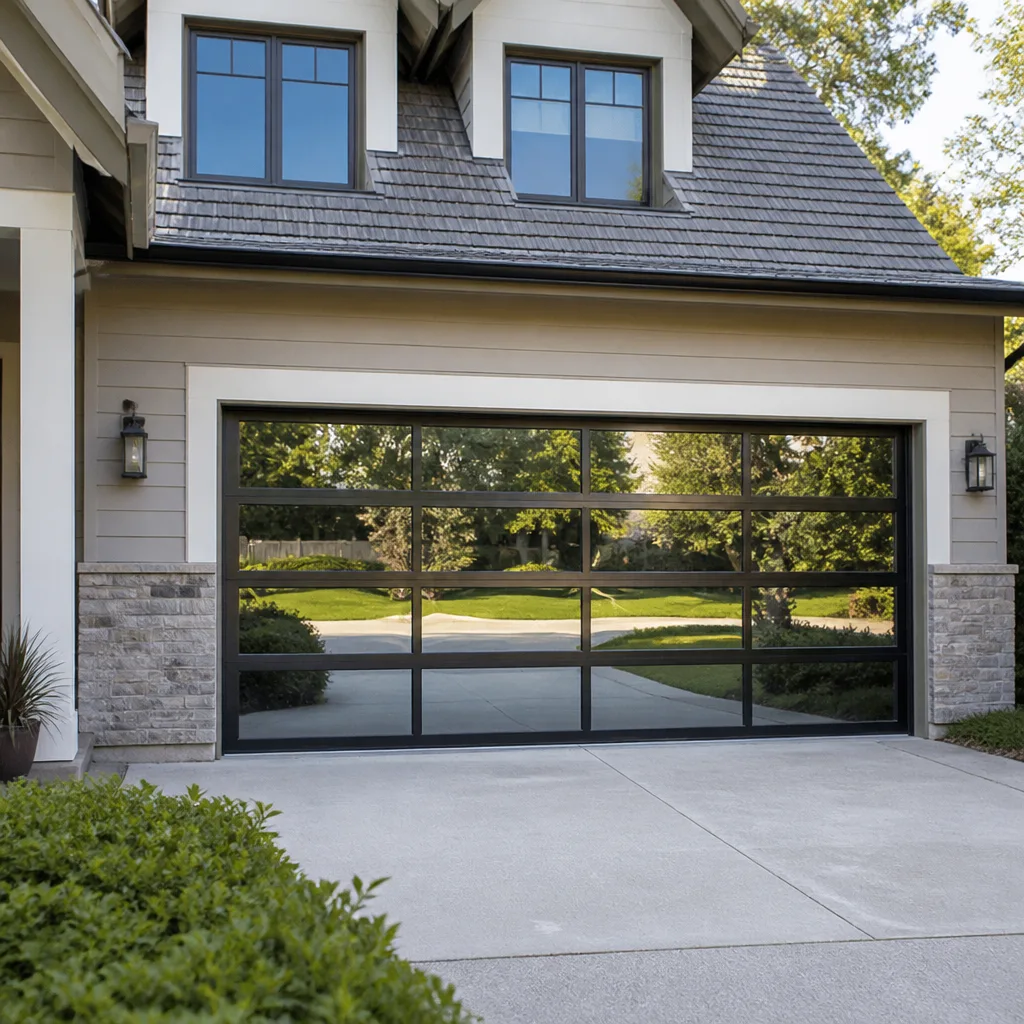 Full-view glass
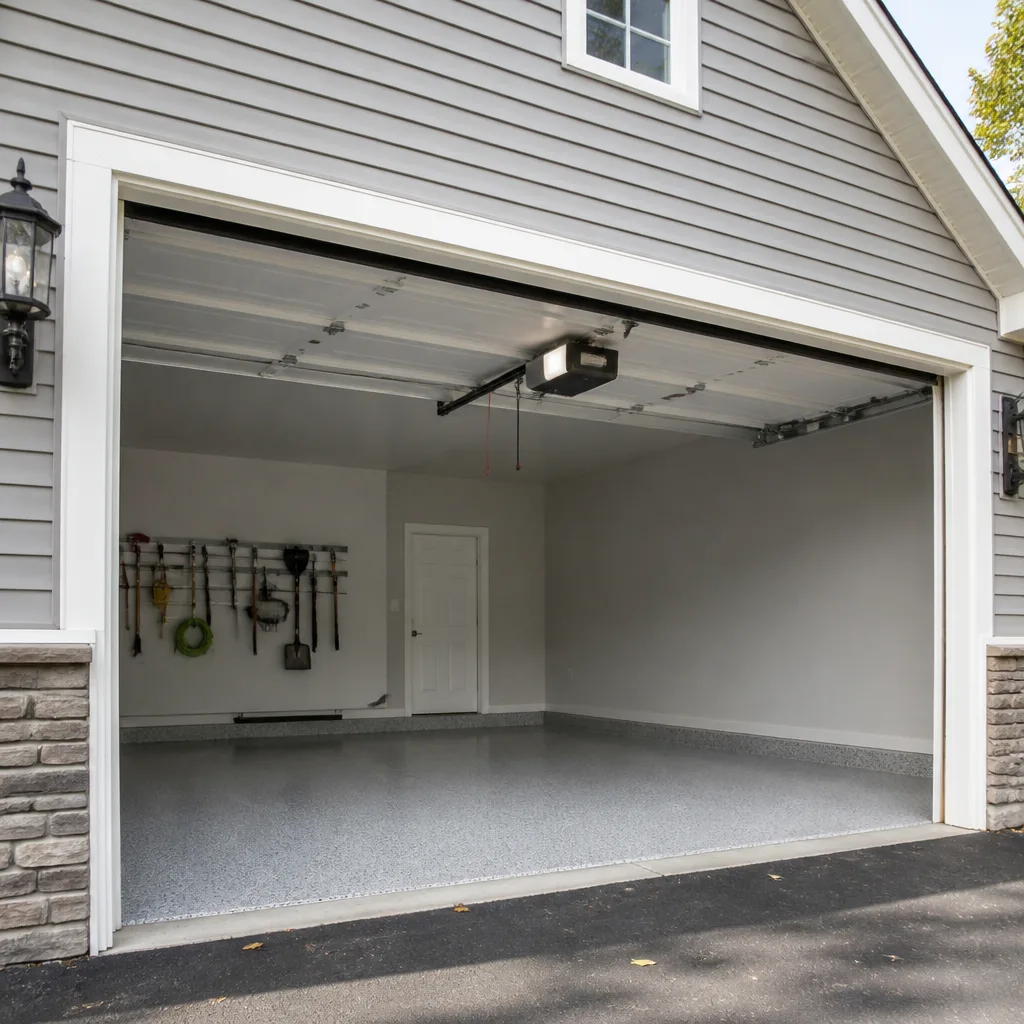 LiftMaster openers
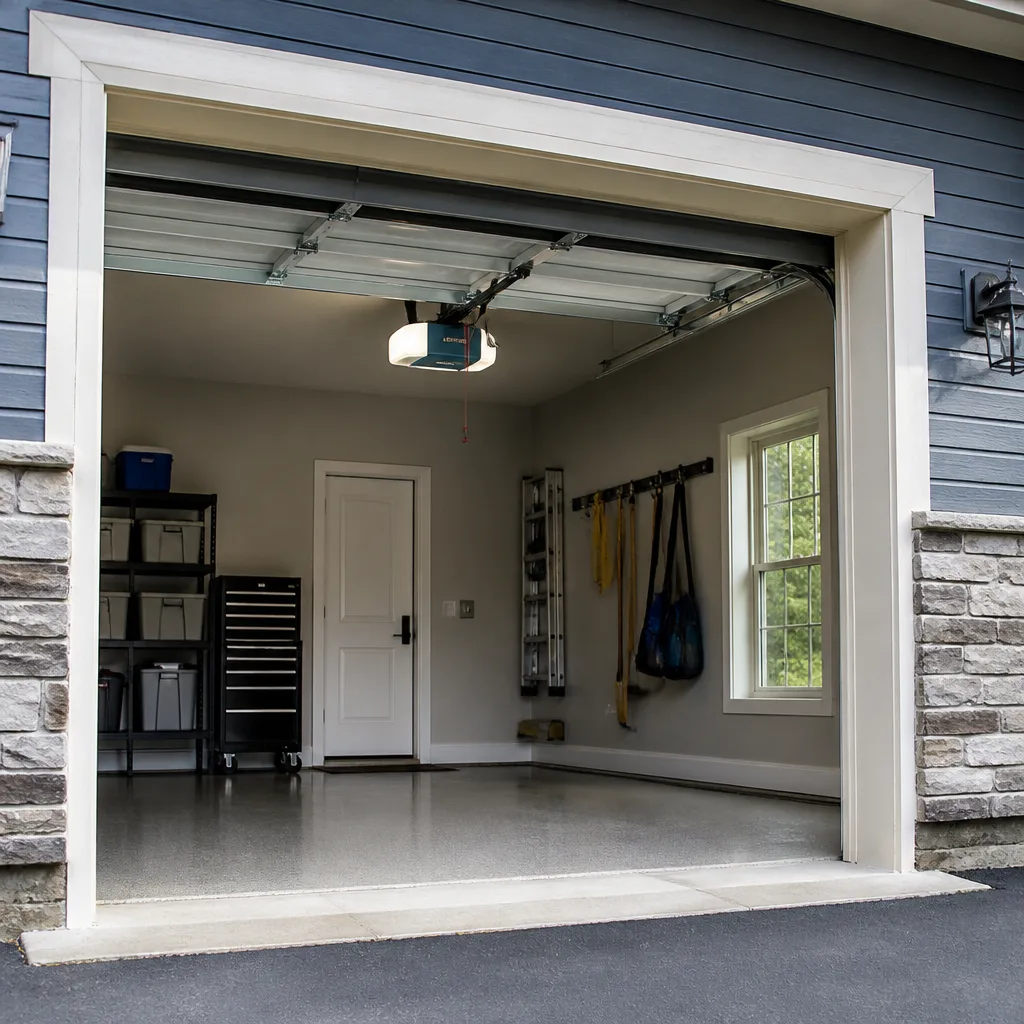 Chamberlain openers
Full 25-point door and opener safety check with every visit - springs, cables, rollers, tracks, and your LiftMaster or Chamberlain opener included
You get a price before we start. It does not change when the pro arrives.
Get your free estimateSeasonal Garage Door Care for Abilene: Year-Round Homeowner’s Guide
Most garage door maintenance advice is built for a place that gets four tidy seasons. Abilene doesn’t work that way. We get a long heat season that pushes past 100°F, a wind season that carries fine caliche dust across everything, and a freeze season that arrives fast and leaves concrete and door frames slightly shifted in its wake. Between those runs there’s a short window where the smart move is to reset everything before the next pattern hits. This guide maps garage door care to how Abilene actually goes through a year, not to a national template. By the end you’ll know what to check, when to check it, and which products actually hold up here.
Quick Answer
Seasonal garage door care in Abilene follows the local weather patterns rather than the calendar: prep and lubricate before summer heat binds the tracks, seal gaps before wind season drives dust into the motor housing, check the bottom seal, rollers, and lock cylinders before a freeze, and reset alignment after any ice event shifts the concrete. Use a lubricant rated for wide temperature swings, not a standard-climate product that thins in August and stiffens in January.
Styles & brands we work with
- Raised-panel steel
- Carriage house
- Modern flush
- Full-view glass
- LiftMaster openers
- Chamberlain openers
Table of Contents
- Why Abilene’s Seasons Don’t Match a Standard Maintenance Calendar
- Pre-Summer Prep: Adjusting Before the Heat Binds Your Tracks
- Wind Season: Sealing Out Fine West Texas Dust
- Freeze Prep: The Components That Fail First
- Post-Winter Reset: What to Check After Concrete Shifts
- Choosing Lubricants and Weatherstrip for West Texas Conditions
- The Abilene Garage Door Seasonal Checklist
- Frequently Asked Questions
Why Abilene’s Seasons Don’t Match a Standard Maintenance Calendar
Garage door lubricants rated for normal climates can gum up or thin out in West Texas temperatures that swing 90°F between January and August. That single fact breaks most national maintenance advice. A product that performs fine in a mild four-season climate can turn tacky in July heat, collect dust into a grinding paste, and then stiffen in a January cold snap. The wrong product at the wrong time causes more wear than skipping lubrication entirely.
In Abilene, the year runs more like a sequence of stressors than a smooth cycle. Summer heat expands metal. Wind season pushes abrasive dust into every gap. A freeze event can shift the slab and the frame around your door. Then the in-between stretches are when you reset and catch problems before they compound. Homeowners across Abilene, from established neighborhoods near the center of town out to the newer development on the edges, deal with the same pattern.
So the practical calendar here has four work phases, not four seasons in the calendar sense:
- Pre-summer: adjust, lubricate, and tune before the heat peak.
- Wind season: inspect and seal gaps that let caliche dust in.
- Freeze prep: protect the seal, rollers, and lock cylinders.
- Post-winter reset: realign and recheck after concrete shift.
Our technicians have up to 11 years of experience working on these doors, and the pattern holds: the doors that fail in August are usually the ones nobody touched in April. The good news is that most of this is inspection and small adjustment, not major repair. When something does break, garage door repair is what brings it back, but a lot of it is preventable with the right timing.
Pre-Summer Prep: Adjusting Before the Heat Binds Your Tracks
Before Abilene temperatures push past 100°F, the goal is to remove friction and leave room for expansion. Metal expands in heat, and a track that’s tight and clean in March can bind in July. If the tracks are already binding by the time summer arrives, the opener motor works harder on every cycle, the door travels unevenly, and small alignment problems turn into real strain on the springs and cables.
Here’s the order that makes sense before the heat peak:
- Clean the tracks with a dry cloth or brush. Don’t use grease on the tracks – it collects dust and turns into grit. Tracks should be clean and dry.
- Check track alignment by eye along the full run. Look for dents, bends, or sections that pull away from the door frame. A track that’s off by even a little binds when the metal expands.
- Lubricate the moving parts that actually need it – hinges, rollers, and the torsion spring (never the tracks). Use a lubricant rated for wide temperature swings, not a standard-climate product.
- Test the balance by disconnecting the opener and lifting the door halfway by hand. It should hold at the midpoint. If it drops or rises, the springs are out of adjustment.
- Check the opener’s force settings and safety reverse so the motor isn’t fighting a binding door. This is where opener-specific knowledge matters.
- Tighten the hardware – brackets, hinges, and the roller stems. Vibration over a season loosens them.
The balance test and spring inspection are the two steps where we recommend care. Torsion springs are under high tension, and the cables along them can cause serious injury if handled wrong. If the door doesn’t hold at halfway, or you hear a loud snap, leave the springs alone and call a trained professional. Adjusting opener force limits or safety sensors is a routine check; winding springs is not something to attempt without the right training and tools.
If your opener is already struggling to lift a heavy door in early summer, that’s often a sign the motor is compensating for something else. garage door opener repair can sort out whether the problem is the motor, the sensors, or the door itself.
Wind Season: Sealing Out Fine West Texas Dust
Fine caliche dust is the enemy of a garage door in Abilene. It’s abrasive, and it gets into everything – the gap at the bottom of the door, the roller tracks, the opener’s motor housing, and the interior of the garage. Wind season is when the gaps that were always there start letting in enough dust to cause visible wear.
The inspection is straightforward, and it’s the kind of thing you can do in an afternoon:
- Bottom seal: Check the full length of the bottom weatherstrip. Look for cracks, compression, and gaps where it no longer meets the floor. A seal that’s flattened won’t keep dust out, and it lets wind-driven grit under the door.
- Side and top weatherstrip: Run a hand along the frame edges. If you can feel air or see daylight, dust is getting in there too.
- Roller tracks: Inspect for accumulated grit. Wipe the tracks clean and check that rollers roll smoothly instead of dragging.
- Opener motor housing: Dust collects on and around the opener, especially the vents and the housing seams. Wipe it down, and check the manual for what can be cleaned safely.
- Door panel seams: On sectional doors, check the seams between panels. A worn seal at the joints lets dust through.
Replacing a worn bottom seal is one of the highest-value seasonal jobs here, because it protects both the garage interior and the door’s internal components. Weatherstrip material matters: a seal rated for normal indoor conditions won’t hold up to a West Texas wind season. Choose a material that stays flexible through heat and cold, and inspect it again after the season turns.
One note on opener-specific care: dust getting into the motor housing is a real problem, but don’t spray anything into the housing or open it up to clean inside. Wipe the exterior, keep the vents clear, and if the opener starts running rough, that’s a call to a technician. Brands like LiftMaster and Chamberlain have specific maintenance guidance for their units, and a technician who knows the brand can tell you exactly what to check. Our multi-brand coverage means technicians arrive already familiar with your specific system – Burgess Garage Door Repair works on your brand, not just the one we prefer to sell.
Freeze Prep: The Components That Fail First
When Abilene gets an ice event, three components tend to fail first: the bottom seal, the rollers, and the lock cylinders. Each fails for a slightly different reason, but they all come down to cold making a flexible material stiff and a moving part stick.
The bottom seal. Cold makes rubber and vinyl stiff. A seal that’s already worn or compressed will crack or tear when the door comes down on a cold morning. Inspect it before the first freeze and replace it if it’s showing age. A stiff, cracked seal also lets cold air and moisture in during the event.
The rollers. Rollers that are dry or that have the wrong lubricant can seize in cold. A roller that won’t turn drags the door and strains the opener. Lubricate rollers with a product rated for low temperatures, and check that each one turns freely before the cold arrives.
The lock cylinders. If you have a manual lock, the cylinder can freeze or stiffen. Keep it clean and dry, and don’t force a key that won’t turn – that’s how cylinders break. A lock that’s stiff in normal weather is a sign it needs attention before a freeze.
The freeze prep list:
- Inspect the bottom seal and replace it if it’s cracked, flattened, or more than a little worn.
- Lubricate the rollers and hinges with a wide-temperature product.
- Check the lock cylinder if you have one, and keep it dry and clean.
- Test the door balance and the safety reverse before cold weather – a door that’s already out of balance is worse in the cold.
- Clear the area around the door of anything that could be pushed by wind or ice into the path.
The spring system is the one part of freeze prep we tell people to leave alone. Springs are under high tension, and cold makes metal more brittle. If you hear a snap, or the door suddenly won’t lift, don’t try to inspect or adjust the springs yourself. That’s a job for a trained technician with the right tools.
Post-Winter Reset: What to Check After Concrete Shifts
Abilene’s concrete slabs and door frames can shift slightly after a freeze event, and that shift is often invisible until the door starts rubbing, sticking, or traveling unevenly. The post-winter reset is the phase most homeowners skip, and it’s the one that catches the small misalignments before they turn into worn rollers, strained springs, or an opener that’s working harder than it should.
After the last freeze of the season, work through this list:
- Check the door’s travel. Open and close it a few times. Does it move smoothly, or does it hesitate, rub, or drift to one side?
- Look at the tracks. A shifted slab can pull a track slightly out of line. Check the full run for bends or gaps where the track meets the frame.
- Check the bottom seal again. A freeze can crack a seal that looked fine in the fall, or leave a gap where the door no longer meets the floor evenly.
- Test the balance. Disconnect the opener and lift the door halfway. If it won’t hold, the springs need attention from a technician.
- Recheck the safety reverse and sensors. Cold and shift can affect how the door closes.
- Tighten hardware that vibration and temperature swings loosened over the season.
If the door is rubbing or binding after the reset, don’t ignore it. A small misalignment left alone wears the rollers, strains the opener, and can eventually damage the panels. In our experience, the doors that come through a freeze season well are the ones where the homeowner checked them afterward and caught the shift early. That’s the difference between a small adjustment and a full repair.
Choosing Lubricants and Weatherstrip for West Texas Conditions
The single most important product decision for an Abilene garage door is the lubricant. Standard-climate products are the wrong tool here. What you want is a lubricant rated for a wide temperature range, one that stays where it’s applied in heat and doesn’t stiffen in cold.
Here’s how the options compare for this climate:
- Silicone-based lubricant: A good default for hinges, rollers, and springs. It doesn’t collect dust the way grease does, and it holds up across a wide temperature range. Apply it sparingly – a light coat is enough.
- Lithium grease: Works for some metal-to-metal contacts but can thicken in cold and attract dust in wind season. If you use it, keep it off the tracks and apply it lightly.
- White lithium spray: Convenient for hard-to-reach spots, but check the temperature rating on the can. A standard-climate product thins in summer heat.
- What not to use: WD-40 as a long-term lubricant, grease on the tracks, and any product without a temperature rating. These cause more wear than using nothing.
For weatherstrip, the material matters as much as the fit. Choose a seal that stays flexible across heat and cold, and replace it when it hardens, cracks, or loses its shape. The bottom seal takes the most abuse, so it’s the first to go. If you’re not sure what’s on your door now, a technician can tell you what’s compatible before you buy.
One more product note: if you’re replacing an opener, brands like Genie and Raynor have their own maintenance guidance and compatible parts. Our technicians work on all eight of the major brands – LiftMaster, Chamberlain, Genie, Clopay, Amarr, Wayne Dalton, Craftsman, and Raynor – so the advice you get matches the equipment you own, not a preferred product line.
The Abilene Garage Door Seasonal Checklist
Here’s the whole year on one page. Print it, keep it in the garage, and work through each phase when the season turns.
Pre-summer (before the heat peak):
- Clean the tracks, and keep them dry – no grease.
- Check track alignment along the full run.
- Lubricate hinges, rollers, and springs with a wide-temperature product.
- Test door balance with the opener disconnected.
- Check opener force settings and safety reverse.
- Tighten brackets, hinges, and roller stems.
Wind season (dust and wind):
- Inspect the bottom seal for cracks and compression.
- Check side and top weatherstrip for gaps.
- Wipe the tracks and check that rollers turn freely.
- Clean dust from the opener exterior and keep vents clear.
- Check panel seams on sectional doors.
Freeze prep (before the first ice event):
- Replace the bottom seal if it’s worn or cracked.
- Lubricate rollers and hinges for cold.
- Check and dry the lock cylinder if you have one.
- Test balance and safety reverse.
- Clear the door’s path of anything wind or ice could move into it.
Post-winter reset (after the last freeze):
- Open and close the door and watch for rubbing or drift.
- Check tracks for shift or bends.
- Recheck the bottom seal.
- Test balance again.
- Recheck safety reverse and sensors.
- Tighten hardware.
If any phase turns up something you’re not comfortable with – especially anything involving springs, cables, or the opener motor – stop and call a technician. The checklist is about catching problems early, not about doing the dangerous work yourself.
See the difference
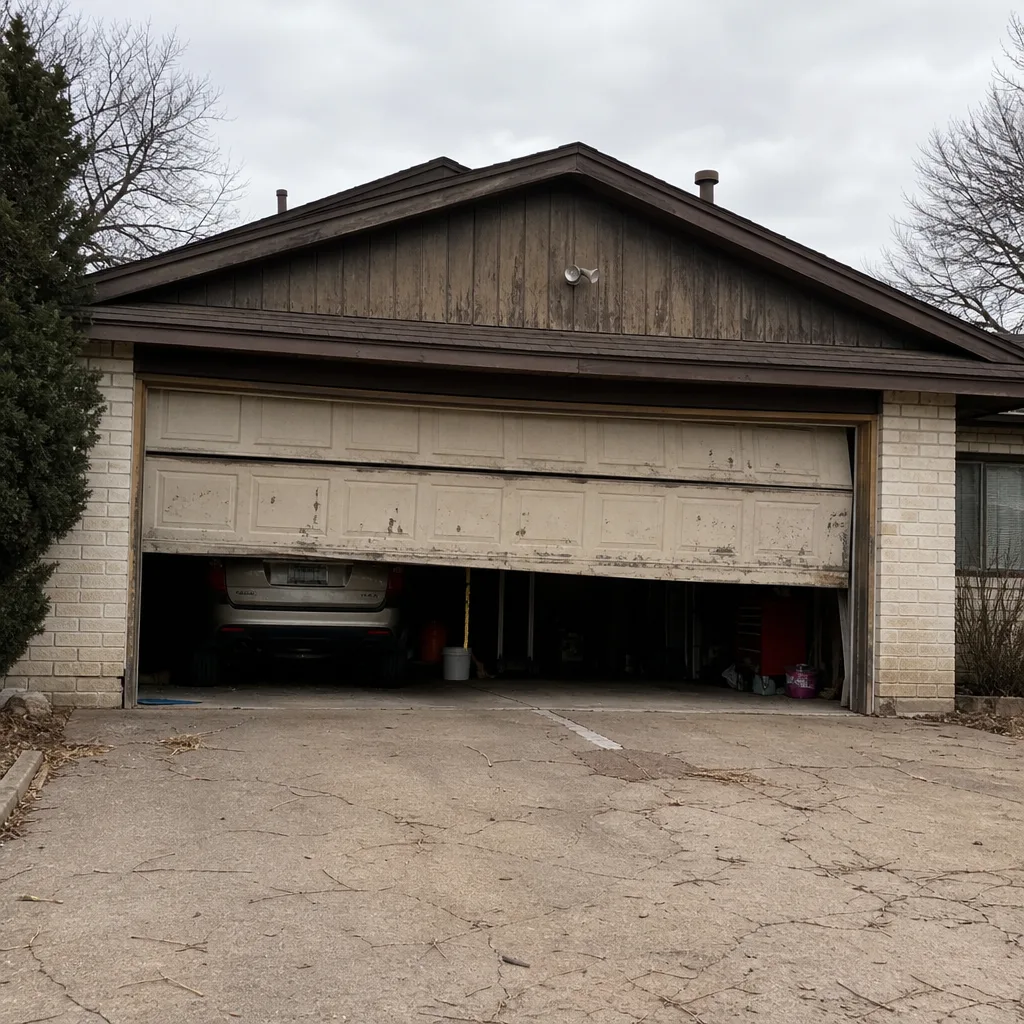 Before
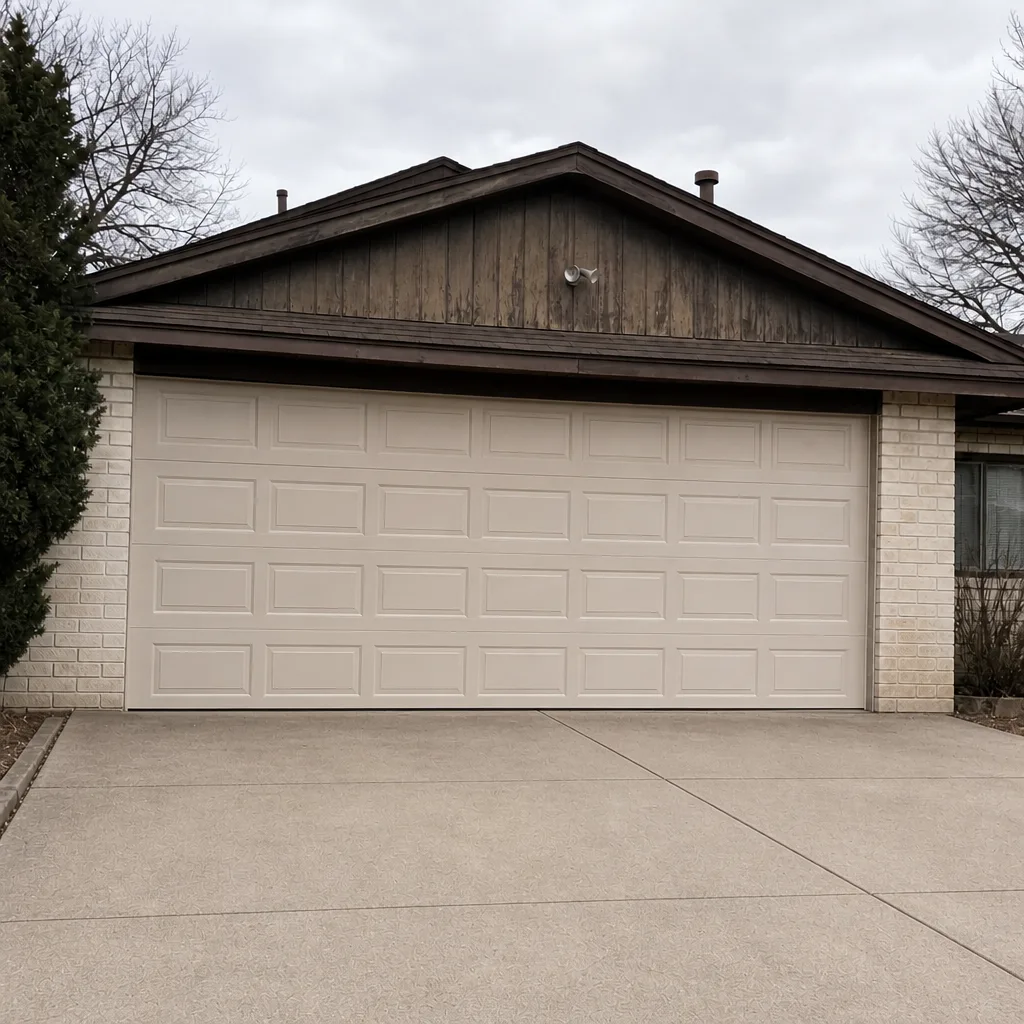 After
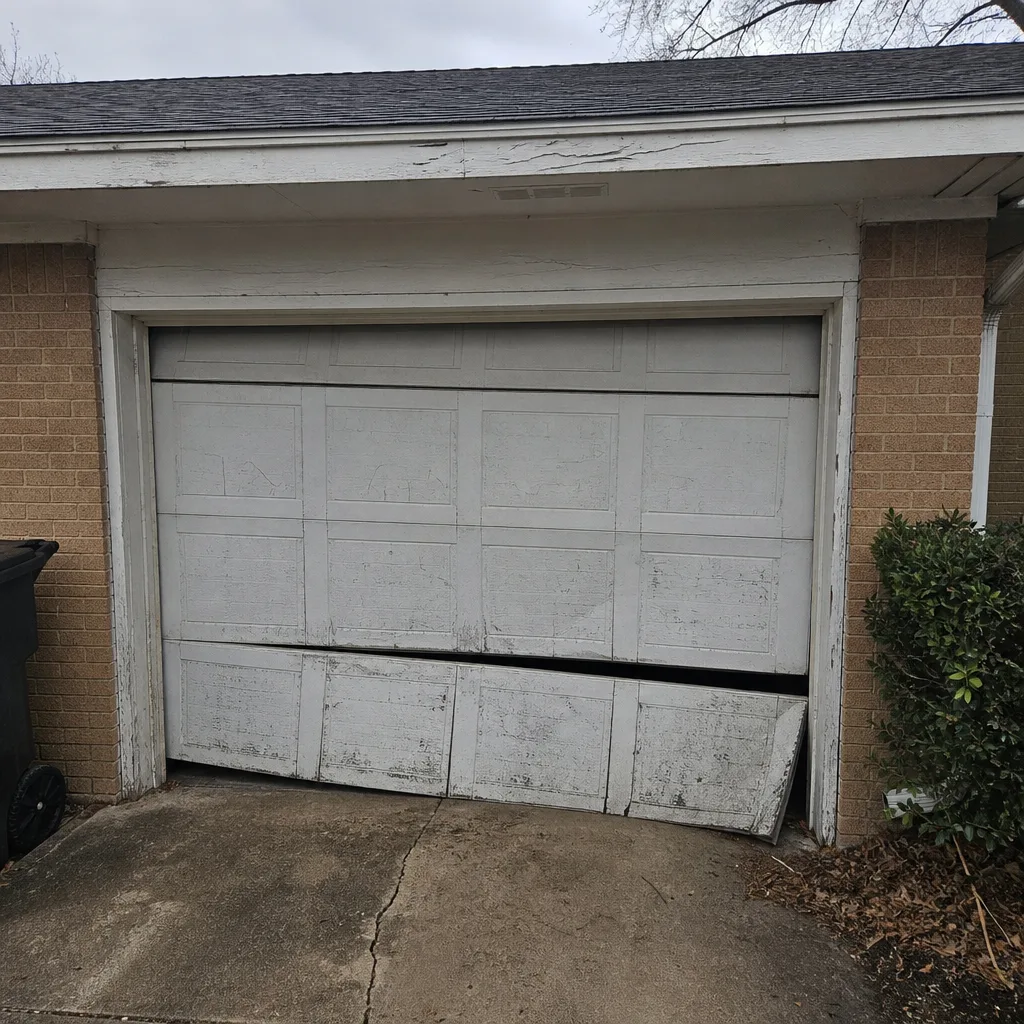 Before
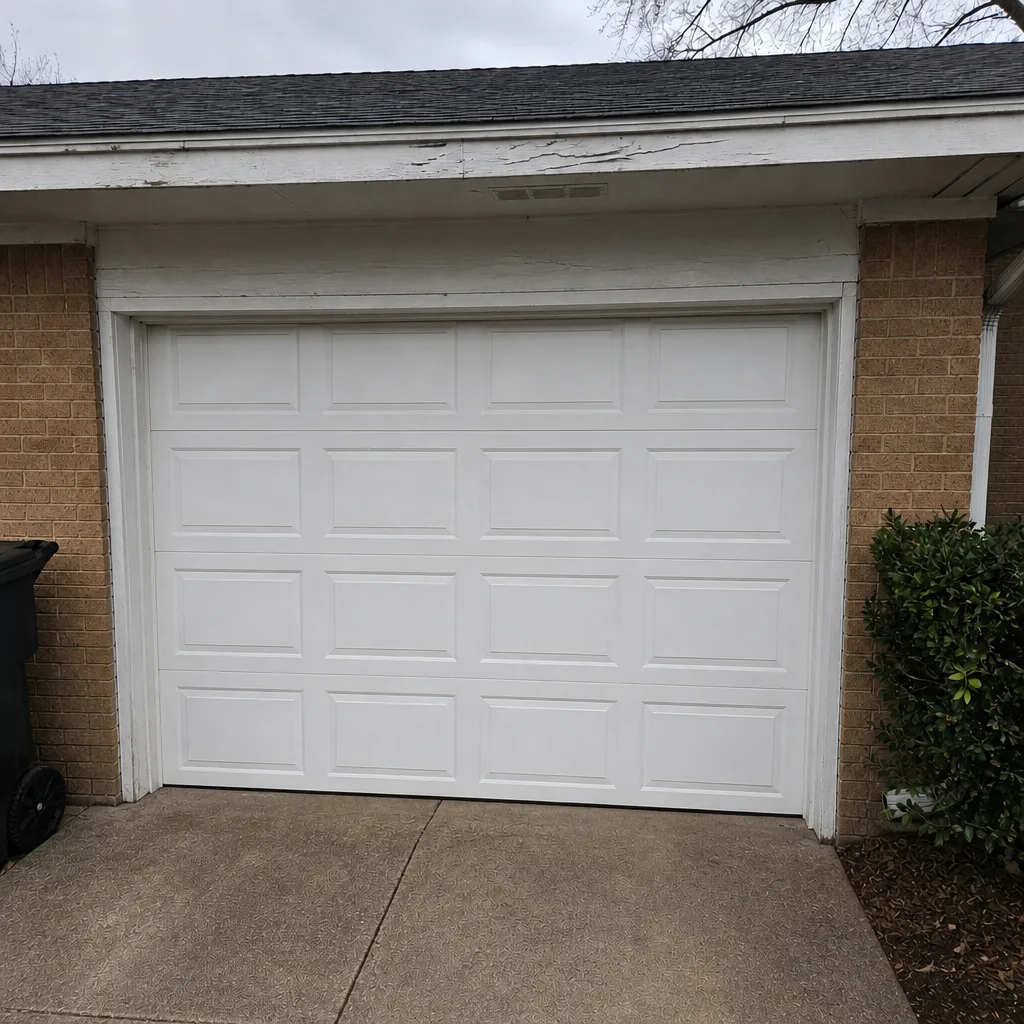 After
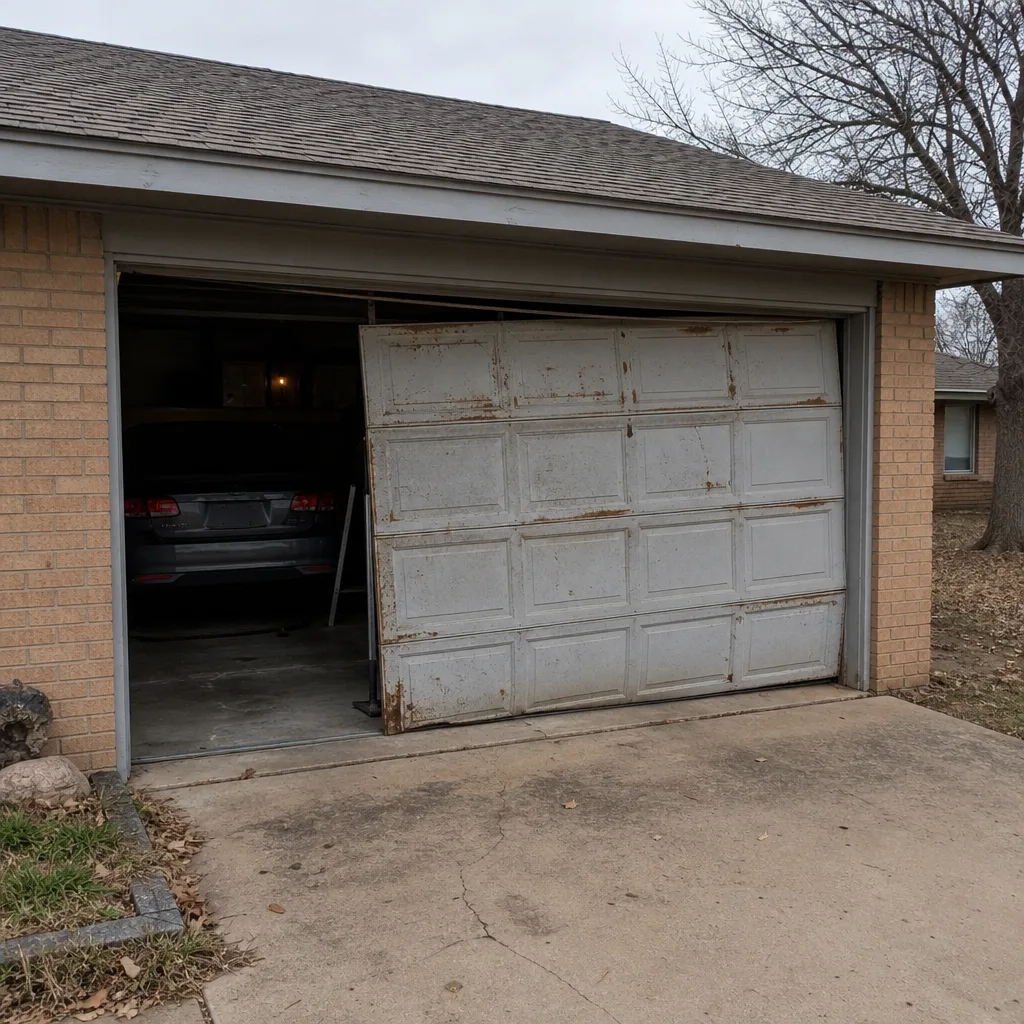 Before
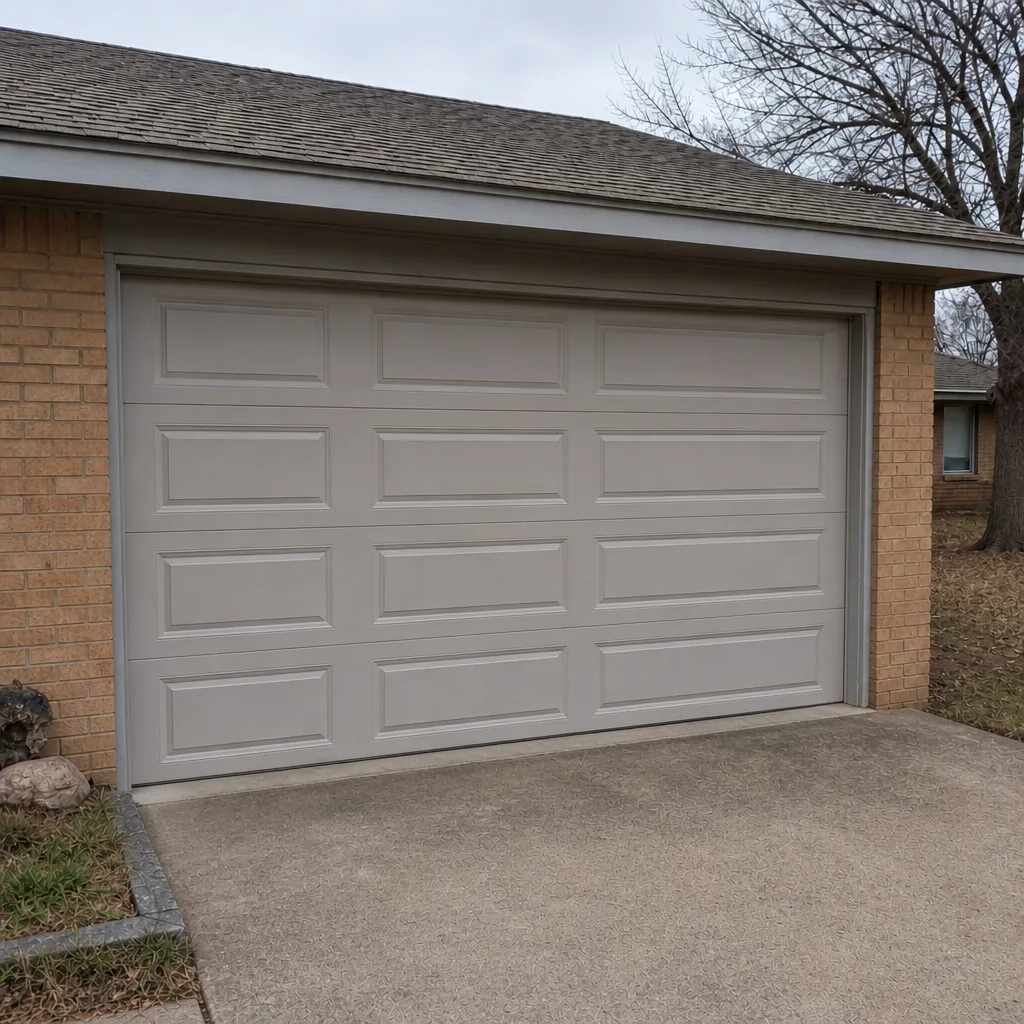 After
Common Mistakes to Avoid
- Using a standard-climate lubricant. A product that works in a mild climate can gum up in Abilene heat and stiffen in a freeze. Check the temperature rating before you buy, and use a wide-range product instead.
- Greasing the tracks. Tracks should be clean and dry. Grease on tracks collects caliche dust and turns into grinding paste that wears the rollers.
- Skipping the post-winter reset. A freeze can shift the slab and misalign the frame slightly. Ignoring it wears rollers and strains the opener over the following months.
- Forcing a stiff lock or a rubbing door. A lock that won’t turn or a door that rubs is telling you something is misaligned or worn. Forcing it breaks parts instead of fixing them.
- Adjusting springs yourself. Torsion springs are under high tension and can cause serious injury. The balance test is fine to do; the spring work is not.
- Ignoring the bottom seal. A worn seal lets dust in during wind season and cold air in during a freeze. It’s one of the cheapest parts to replace and one of the most important.
- Treating the opener as separate from the door. A door that’s binding or out of balance makes the opener work harder. Fixing the opener without checking the door just delays the problem.
When to Call a Professional
Some seasonal care is a homeowner job; some isn’t. Call a professional when the door won’t hold at the halfway balance point or you hear a spring snap, when the door comes off its track or rubs against the frame after a shift, when the opener runs but the door doesn’t move or moves unevenly, or when the safety reverse fails the test. Any work on springs, cables, or the opener’s internal components belongs with a trained technician – those parts can cause serious injury if handled wrong. If you’re unsure whether a sound, a rub, or a slow spot is a seasonal adjustment or a real repair, that’s a good time to have someone look. Burgess Garage Door Repair offers free estimates in Abilene – call (844) 834-4604. We answer 24/7. Fast dispatch from 7am to 7pm, Sunday through Friday.
Frequently Asked Questions
Four times a year, timed to the local pattern: before the summer heat peak, during wind season, before the first freeze, and after the last freeze. Abilene’s seasons are really a heat season, a wind season, a freeze season, and a reset window between them, so a quarterly rhythm matches how the weather actually stresses the door. A door that gets all four checks usually needs fewer repairs than one that only gets attention when something breaks.
Use a lubricant rated for a wide temperature range, not a standard-climate product. West Texas temperatures swing about 90°F between January and August, so a product that thins in summer heat and stiffens in winter causes more wear than skipping lubrication. Silicone-based lubricant is a good default for hinges, rollers, and springs. Call (844) 834-4604 for an exact quote on any repair – estimates are free.
The bottom seal, the rollers, and the lock cylinder fail first. Cold makes rubber and vinyl stiff, so a worn bottom seal cracks or tears, and dry rollers can seize. Keep the seal in good shape, lubricate the rollers with a wide-temperature product, and keep a manual lock cylinder clean and dry before cold weather arrives. If a freeze leaves the door rubbing or off track, call (844) 834-4604 to get it looked at.
Fine caliche dust is abrasive and gets into the bottom seal gap, the tracks, the roller bearings, and the opener’s motor housing. Over a wind season it turns into grit that wears moving parts and can make the opener run rough. Inspect and seal gaps before wind season, wipe the tracks clean, and check the bottom seal so dust isn’t getting in under the door. Call (844) 834-4604 for a free estimate if you find wear.
Yes. Metal expands in heat, and a track that’s tight and clean in spring can bind once temperatures push past 100°F. Clean the tracks, check alignment along the full run, lubricate the moving parts, and test the door balance before the heat peak. A door that’s binding in summer strains the opener and wears the springs faster. If the door won’t balance, leave the springs to a technician and call (844) 834-4604.
You can do the inspection and the small adjustments: cleaning tracks, lubricating hinges and rollers, checking the bottom seal, testing balance and safety reverse. Leave spring, cable, and opener-internal work to a trained technician – those parts can cause serious injury if handled wrong. Our technicians have up to 11 years of experience, and we work on your brand, whichever of the eight major brands you own. Call (844) 834-4604 for a free estimate.
The Bottom Line
Abilene garage door care runs on the local weather pattern, not the calendar: prep before summer heat, seal before wind season, protect the seal and rollers before a freeze, and reset after concrete shifts. The right lubricant is the one rated for wide temperature swings; the wrong one causes more wear than nothing. Most seasonal work is inspection and small adjustment, and the parts that cause serious injury – springs, cables, the opener’s internals – are left to trained technicians. Work through the checklist four times a year and you’ll catch problems while they’re still small. When something needs more than a check, we can help.
Burgess Garage Door Repair covers repair, garage door opener repair, and installation from a single provider, working on the eight major brands so the advice matches your door, not a preferred product line. Free estimates, upfront pricing, and the price is quoted and agreed before any work starts. Call (844) 834-4604. We answer 24/7. Fast dispatch from 7am to 7pm, Sunday through Friday.
Written by the team at Burgess Garage Door Repair.