
Last updated November 15, 2026
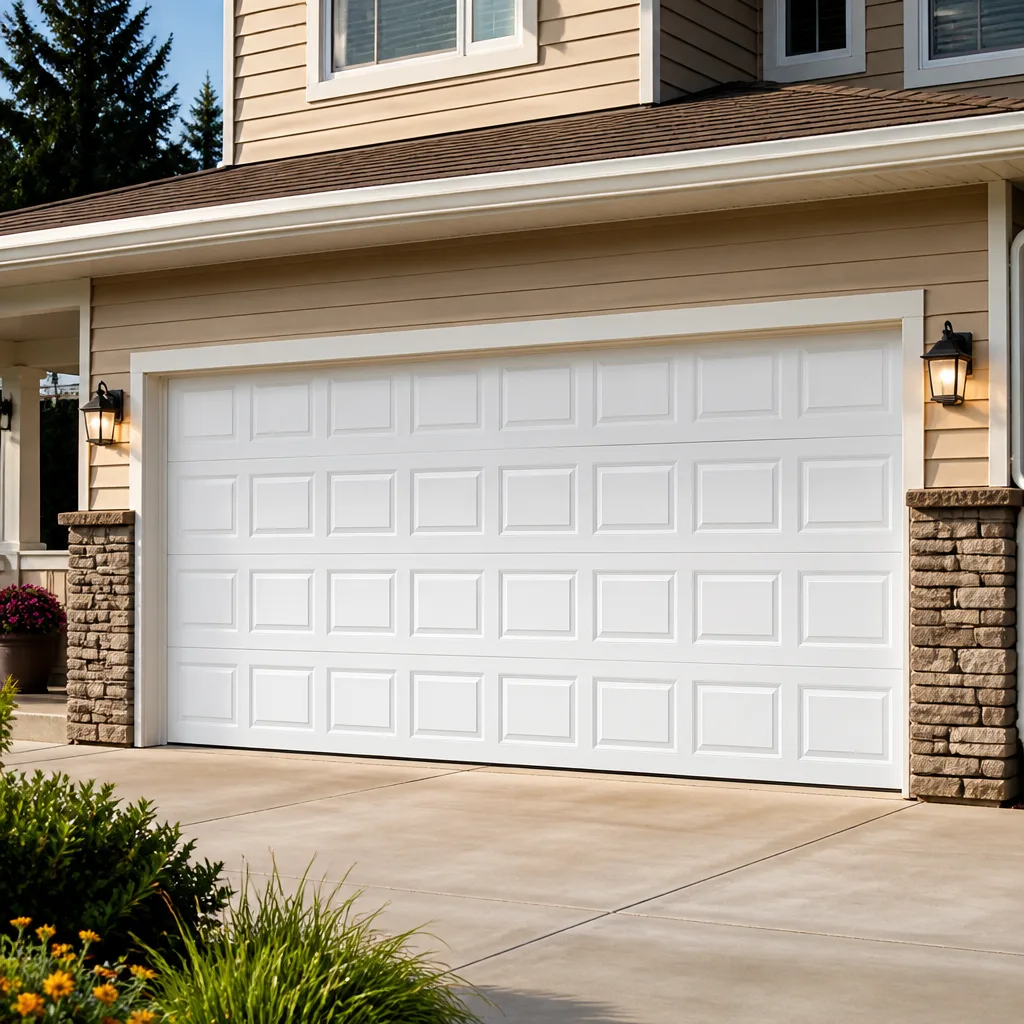 Raised-panel steel
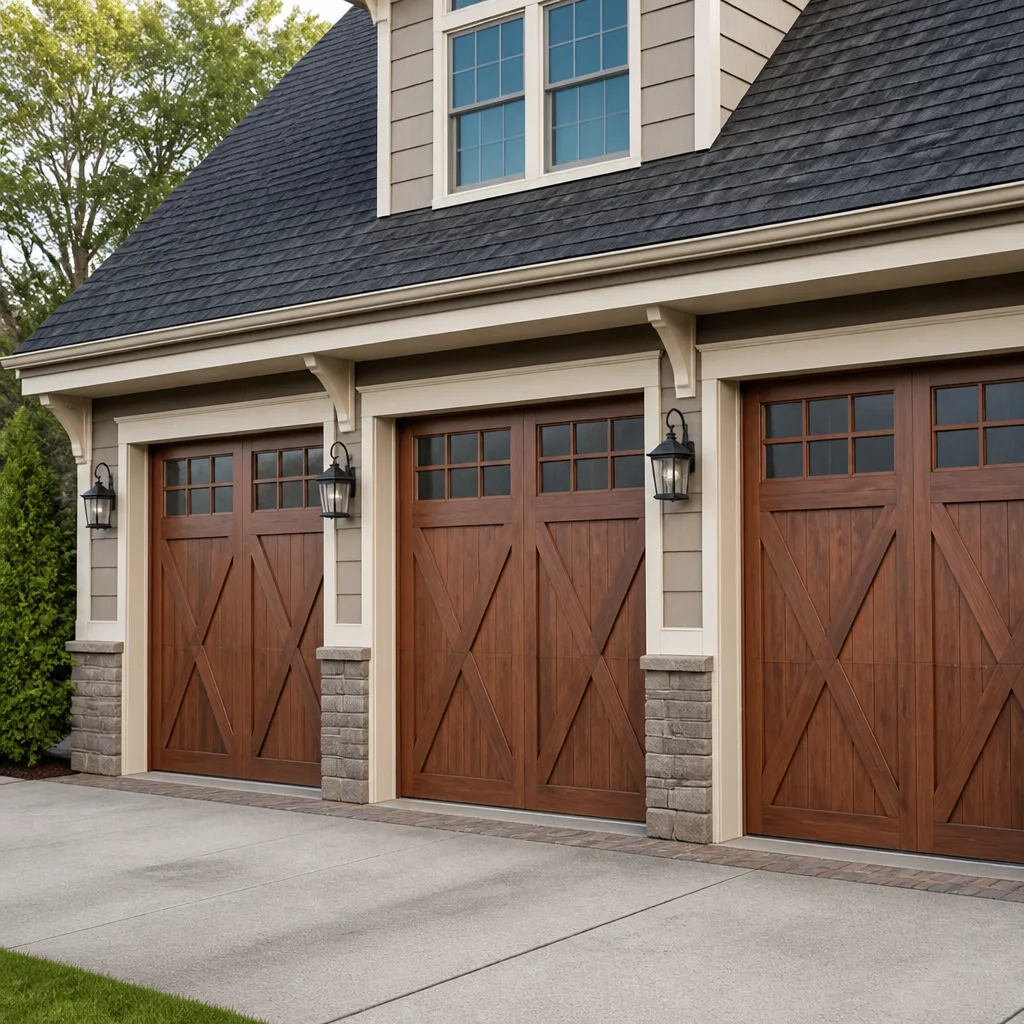 Carriage house
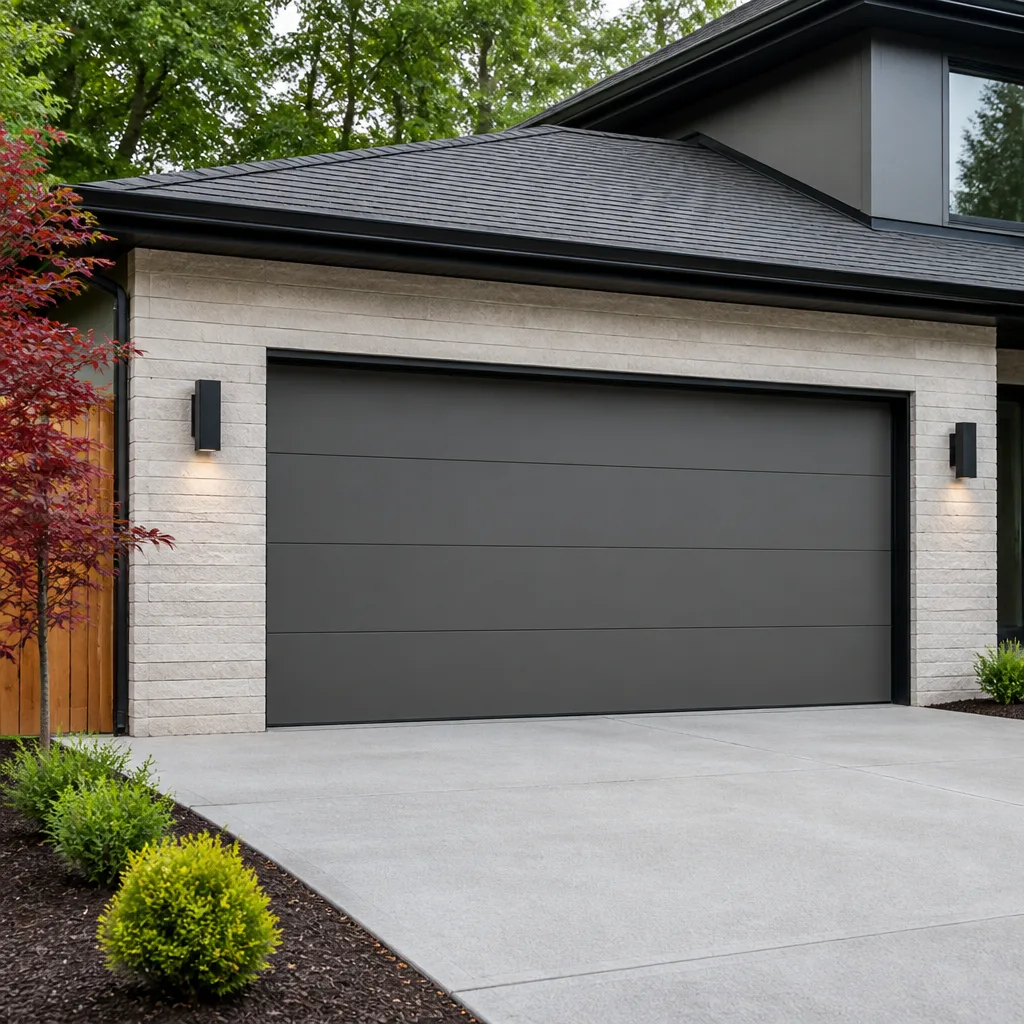 Modern flush
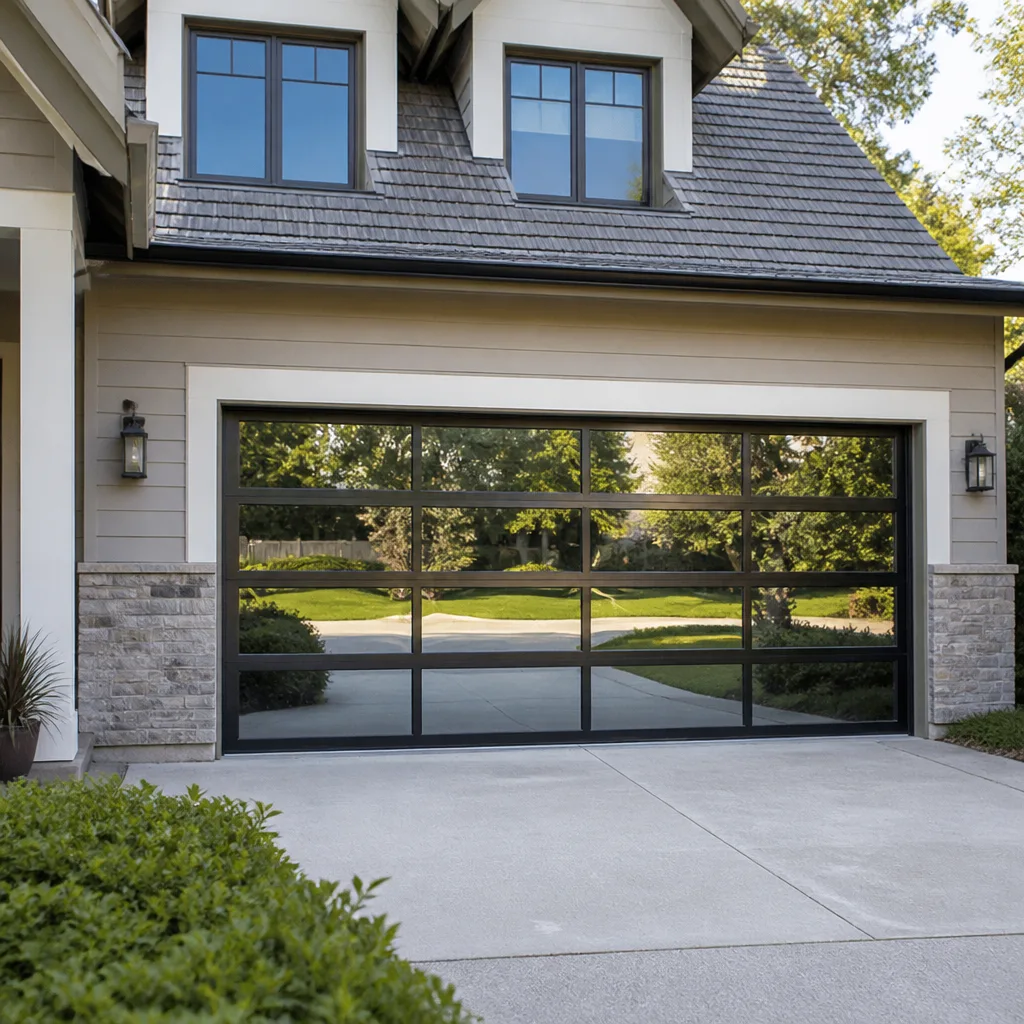 Full-view glass
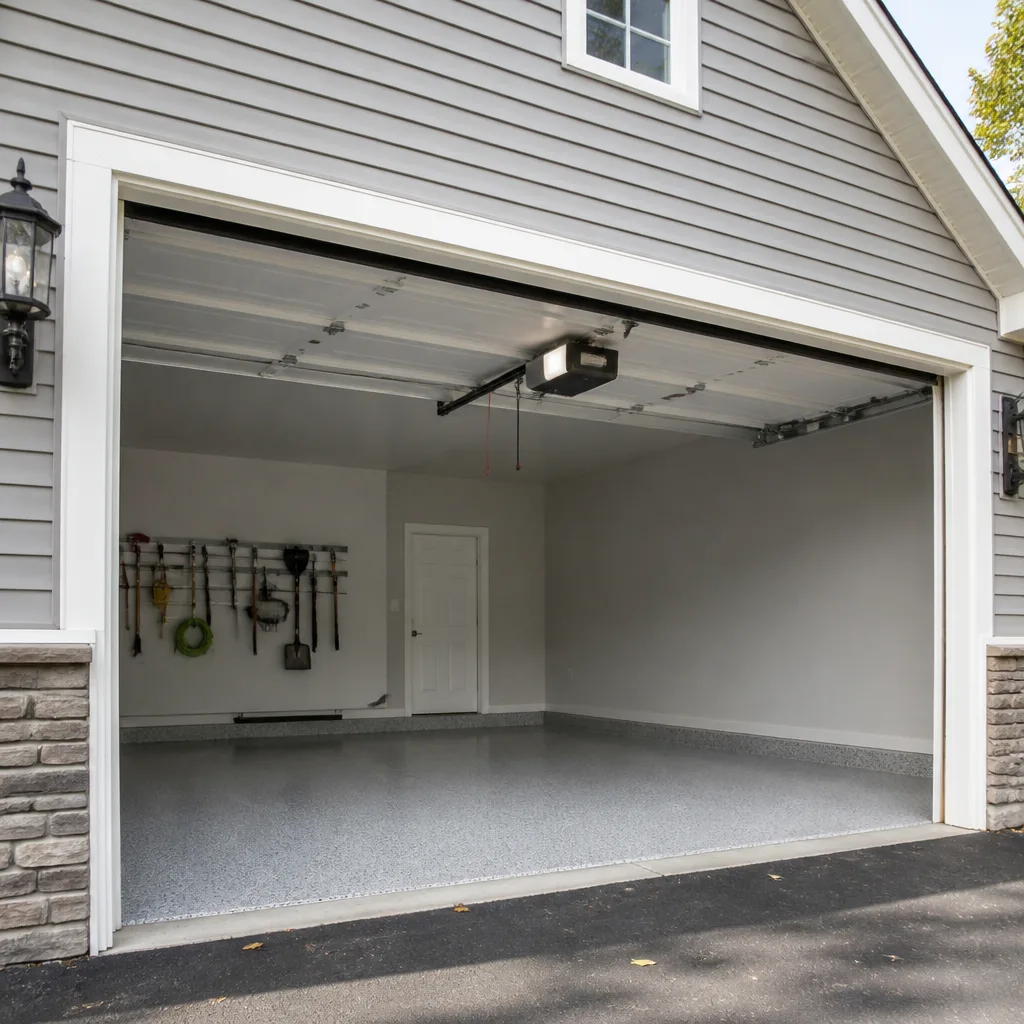 LiftMaster openers
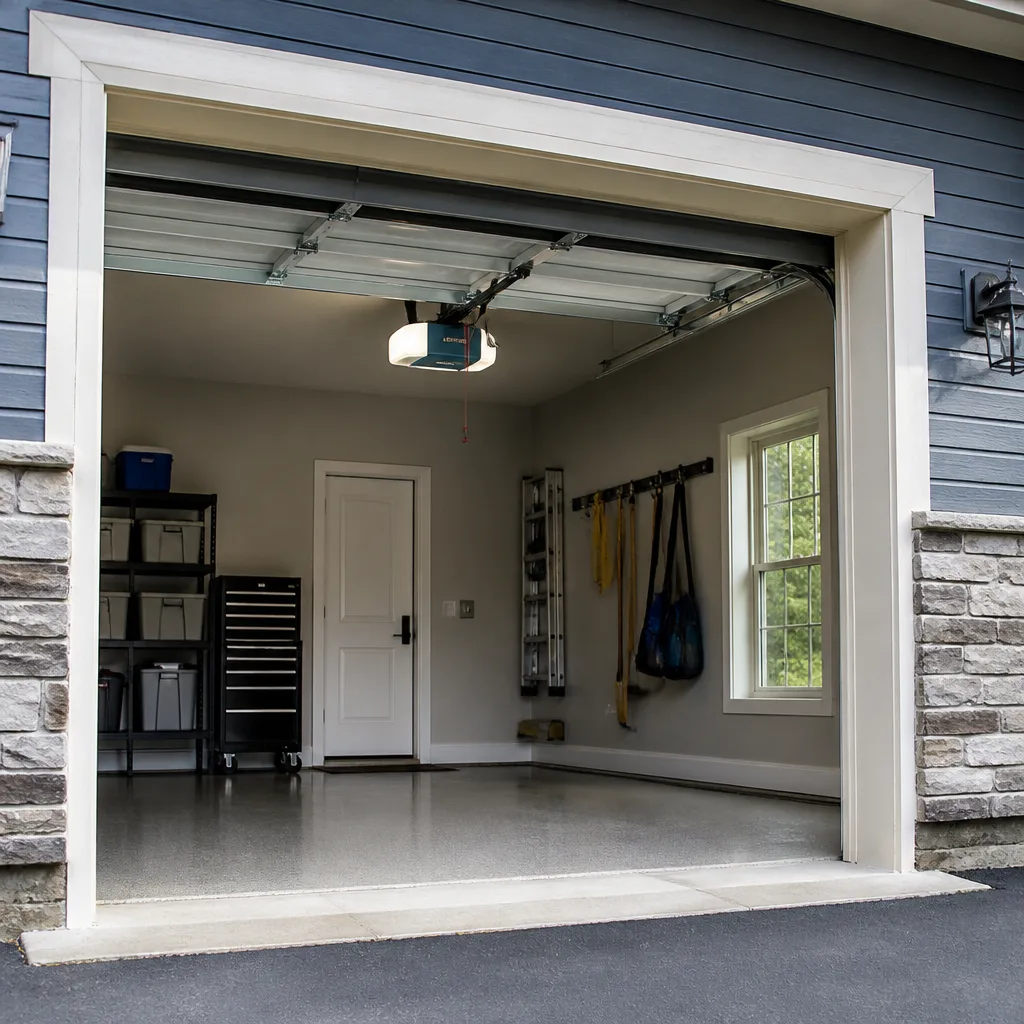 Chamberlain openers
Full 25-point door and opener safety check with every visit - springs, cables, rollers, tracks, and your LiftMaster or Chamberlain opener included
You get a price before we start. It does not change when the pro arrives.
Get your free estimateThe Complete Guide to Garage Doors in Abilene
Most garage doors in West Texas fail earlier than their rated lifespan. Not because of product defects, but because they were chosen and maintained for a climate that isn’t Abilene’s. The same door that holds up for fifteen years in a mild, stable climate can start throwing tracks and shredding bottom seals here in half that time, and the homeowner never gets told why. Wind, expansive clay soil, and heat cycles do things to a garage door system that the box store brochure never mentions. This guide maps every real decision an Abilene homeowner faces: how to read your door’s condition, when a tune-up is enough, when repair makes sense, and when replacement is the honest answer.
Quick Answer
A garage door in Abilene needs three things a national buying guide won’t tell you: a wind-rated door and track system built for the region’s gust corridor, an alignment check after seasonal soil movement, and a maintenance rhythm tuned to heat and dust rather than a generic annual reminder. Most doors here don’t fail from age alone. They fail from wind load, ground movement, and skipped adjustments. Get those three right and a door lasts its full rated life; ignore them and you’ll be repairing the same problem twice.
Styles & brands we work with
- Raised-panel steel
- Carriage house
- Modern flush
- Full-view glass
- LiftMaster openers
- Chamberlain openers
Table of Contents
- How Abilene’s Climate and Soil Affect Your Garage Door
- How to Read Your Garage Door’s Condition Like a Technician
- Repair vs. Tune-Up vs. Replace: The Decision Tree
- Choosing Materials for West Texas Heat and Wind
- Brands and Compatibility: What We Service
- Opener Systems: The Part Most Guides Skip
- A Maintenance Rhythm That Fits Abilene
- What Garage Door Work Typically Costs
How Abilene’s Climate and Soil Affect Your Garage Door
Abilene sits in a wind corridor, and that single fact shapes more garage door decisions here than any other. A door is a 7- to 9-foot flat panel catching gusts broadside. When wind loads push against it repeatedly, the weak points show first: panel seams, hinges, and the vertical tracks that keep the whole assembly tracking true. Doors rated for calmer inland climates can be rated lower than what a home here actually needs. If you’re replacing a door, the wind rating is not a premium upgrade you skip to save money. It’s the rating the door should have had from the start.
Soil is the second factor, and most homeowners don’t connect it to their garage until a problem shows up. Expansive clay soil swells when it takes on moisture and shrinks as it dries, and that movement happens directly under and around a garage slab. The slab shifts a fraction of an inch. The tracks bolted to the walls don’t. Over a few seasons that mismatch throws the vertical tracks out of plumb and pulls the bottom seal away from a floor that’s no longer flat. That’s why a door that closed cleanly last spring suddenly has a gap at one corner or binds halfway down. It isn’t usually the door’s fault. It’s the ground underneath it.
Heat rounds out the local picture. West Texas temperature swings work the springs and the opener motor harder than a stable climate does, and fine dust works its way into rollers and hinges. The takeaway isn’t that Abilene is hard on garage doors. It’s that a door here lives in a specific set of conditions, and the right choices are built around those conditions. If you want a technician to look at your specific setup, our garage door repair service starts with an honest read of what’s actually wrong.
How to Read Your Garage Door’s Condition Like a Technician
A technician doesn’t guess at a door’s health. We run through a set of checks in a fixed order, and you can run the safe ones yourself before you call anyone. The point is to know what you’re looking at so you can describe it accurately and avoid paying for a diagnosis you could have done at home. Work through these in order:
- Listen before you look. Open and close the door and pay attention to the sound. A steady hum with a smooth glide is normal. Grinding, squealing, or a rhythmic thump points to rollers, hinges, or a track that’s out of alignment.
- Watch the gap at the floor. With the door closed, check the bottom seal along its full width. An even seal all the way across is healthy. A gap at one end, or a seal that’s compressed flat on one side and open on the other, usually means the floor has moved or the door is out of level.
- Look at the tracks, not the panels. Stand inside and sight up each vertical track. They should be straight and parallel. A track that bows or leans is a sign of ground movement or a door that’s been pushed off its line. Never try to straighten a track yourself; the door’s weight and spring tension make that dangerous.
- Check the balance. Disconnect the opener and lift the door halfway by hand. A properly balanced door stays where you put it. One that slams down or needs a hard shove to lift is telling you the springs are worn or misadjusted.
- Inspect the springs and cables by eye only. Look for a visible gap in a torsion spring or fraying on a cable. Do not touch, adjust, or try to tighten either. Torsion springs and cables are under extreme tension and cause serious injury when handled wrong. If anything looks off, stop and call a trained professional.
- Test the safety reverse. Place a small object in the door’s path and close it. A door in good working order reverses on contact. One that doesn’t needs attention before it’s used again.
If you can describe what you heard, saw at the floor, and felt on the balance check, a technician arrives already pointed in the right direction. That saves time and keeps the conversation honest.
Repair vs. Tune-Up vs. Replace: The Decision Tree
This is the question homeowners ask most, and the honest answer depends on age, damage type, and how the door has been treated. Here’s how we think it through, framed so you can apply the same logic yourself. It’s a decision tree, not a sales pitch.
When a tune-up is the right call
A tune-up fits a door that’s structurally sound but running rough. That means the door opens and closes, the panels are intact, and nothing is broken, but it’s noisy, slightly off its line, or the opener seems to strain. A tune-up covers lubrication, roller and hinge inspection, track alignment, spring tension check, and a safety-reverse test. If your door is under roughly ten years old and has no visible damage, a tune-up is usually all it needs.
When repair makes sense
Repair is the answer when a specific part has failed but the structure is still good. A snapped spring, a dead opener motor, a bent bottom section from a bump, a frayed cable: these are repairable on a door whose panels and frame are otherwise solid. The threshold we use is damage to one component on an otherwise healthy door. Repair that, keep the rest.
When replacement is the honest answer
Replacement makes sense when the door has structural problems that repair can’t fix economically. Three things push a door into replace territory:
- Multiple failed panels or a cracked section. Patching one panel on a door with several failing sections just postpones the inevitable.
- A door past its rated lifespan with recurring spring or track failures. If you’re repairing the same system every year, the math tilts toward a new door.
- An under-rated door for the wind zone. If the existing door was never built for Abilene’s wind loads, no amount of repair fixes the underlying mismatch.
We tell homeowners which of these three they’re in, even when the answer is “keep what you have.” Our Burgess Garage Door Repair approach is to repair or replace based on what actually makes sense, not on what’s easiest to sell. If you’re not sure which category you fall into, that’s exactly the conversation a free estimate is for.
Choosing Materials for West Texas Heat and Wind
Material choice is where national guides mislead Abilene homeowners most. A comparison built on national averages ranks doors by cost and appearance and ignores the two forces that matter here: sustained heat cycles and wind load. Frame every material decision around those and the ranking changes.
Steel is the most common choice and holds up well when it’s properly rated. It handles heat without warping and takes a wind rating cleanly. The weak point is denting, so on a door facing a wind corridor, gauge matters more than finish. A heavier-gauge steel door resists both wind deflection and impact better than a light one at the same price tier.
Aluminum is lighter and resists rust, which suits a dusty, dry climate. But lighter means less mass against wind load, so aluminum works best on a sheltered opening or a smaller door, not on a wide panel facing open gust exposure.
Wood and wood-composite doors look the part but demand more attention in a climate with big temperature swings. Wood moves with heat and moisture, and seams open over time. They’re a legitimate choice if you’re prepared to maintain them; they’re a poor choice if you want a door you can ignore.
Insulated steel is worth calling out separately. Beyond temperature, insulation adds rigidity, and on a door in a wind zone that added stiffness is a real benefit, not just a comfort feature. For an attached garage, the insulation also keeps the room behind it more usable in summer heat. When you compare door quotes, compare gauge, wind rating, and insulation thickness side by side. Appearance is the last thing to weigh, not the first.
Brands and Compatibility: What We Service
One of the most common frustrations we hear is the runaround: a homeowner calls one company, learns it only works on a certain brand, and gets referred somewhere else. A garage door system is a set of mechanical parts, and most of the time the right move is to fix what you already own rather than replace it to match a technician’s comfort zone. We work on your brand, whatever it is. Our technicians are set up to service systems from eight major manufacturers, including Amarr, Wayne Dalton, Craftsman, and Raynor alongside LiftMaster, Chamberlain, Genie, and Clopay. That coverage matters because it means the technician who shows up is already familiar with how your specific system is built before touching it.
There’s a practical reason brand familiarity helps on repair, not just installation. Doors and openers are engineered as systems, and knowing how a particular brand routes its cables, mounts its springs, and pairs its opener logic means a faster, more accurate diagnosis. A technician who installs doors understands them from the ground up, and that knowledge sharpens repair work. If you already own a door from one of those brands and something’s wrong, the answer is usually a repair, not a brand swap. A brand-neutral approach serves you better than one that steers every call toward a proprietary replacement. If you’re not sure what you have, tell us the brand name on the opener or door and we can work from there.
Opener Systems: The Part Most Guides Skip
Most garage door guides treat the opener as an afterthought. In practice, opener problems are some of the most frequent reasons homeowners call, and they’re a different diagnosis from door problems. A door that won’t open can be a door issue or an opener issue, and knowing which one saves you a wasted service call. Opener repair is its own specialty, and not every door company handles motorized components. We do, which means one call covers both the door and the system that drives it. If your opener is the problem, our garage door opener repair covers the full range of motor and control faults.
Here’s what to check before you call, and how we sort through the common causes:
- The door moves freely by hand once disconnected. If it does, the door is fine and the opener is the suspect. If it binds, the door is the problem and the opener was never at fault.
- The opener runs but the door doesn’t move. That usually points to the drive mechanism or a stripped gear, not the motor itself.
- The opener is silent. Check the power source and the wall control first; a tripped breaker or a dead control is not a motor failure.
- The door reverses or stops mid-travel. That’s often a sensor or travel-limit issue, both of which are repairable.
- The remote works intermittently. Interference or a failing battery is common and cheap to rule out before assuming a bigger fault.
Older openers can often be repaired rather than replaced. When the right answer is a new opener, it gets quoted and scheduled like any other job, with the price agreed before work starts. Either way, you get a straight answer about which path actually makes sense for the system you own.
A Maintenance Rhythm That Fits Abilene
A generic annual maintenance reminder is built for a generic climate. In Abilene, the useful rhythm is tied to what actually wears a door out here: heat, dust, and ground movement. You don’t need a service call to stay ahead of most problems. You need a short list you run through at the right times of year, plus a professional check when the list turns up something you shouldn’t touch.
What you can do yourself, safely:
- Lubricate rollers, hinges, and the opener’s drive track. Dust in this climate works into moving parts, so keep them clean and lightly lubed.
- Wipe the bottom seal and check for cracks or hardening, which heat accelerates.
- Test the safety reverse with an object in the path.
- Clear dust and debris from the photo-eye sensors at the base of the tracks.
- Sight down the tracks for obvious bends, and stop there. Don’t adjust them.
What to leave to a technician: spring tension, cable replacement, track realignment, and anything involving the torsion system. Springs and cables are under extreme tension and handling them wrong causes serious injury. This is not a do-it-yourself zone, and a real expert will always tell you so.
On timing, the useful habit is a professional check after the season of biggest temperature swings, plus an alignment look any time you notice a new gap at the floor or the door binding on one side. That floor gap is often the first sign the soil has shifted under the slab, and catching it early is cheaper than letting it throw the whole track system out of line. For a local look at your door, our Abilene page covers what we do in the area.
What Garage Door Work Typically Costs
Pricing is where homeowners most want a straight number, so here’s a realistic frame rather than a range pulled from a national survey. The figures below are typical estimates for the kind of work involved; the written estimate you get after we see the job sets the final price, and that price is quoted and agreed before any work starts. You’ll never get a surprise invoice here.
Typical estimated cost ranges for common garage door work:
- Spring replacement: priced per spring. A matched pair is usually replaced together, so a pair runs roughly twice the per-spring figure. Springs are the single most common failure and the most important repair to get right.
- Opener repair: varies by fault. A sensor or travel-limit fix sits at the low end; a drive or gear replacement sits higher.
- Tune-up: lubrication, adjustment, and safety check combined, priced as a single job.
- Panel or section replacement: priced by section, and depends on matching the existing door.
- Full door installation: the widest range of all, because it depends on door size, material, wind rating, insulation, and opener. This is measured and scheduled, not same-day work.
One thing that doesn’t change the price is when you call. A repair costs what the repair costs. We don’t add a premium for urgent work, and the estimate itself is free. If the door fails and you need it looked at quickly, call and we’ll book it. Installation and replacement, by contrast, are measured and ordered and scheduled, so plan for a written quote rather than an instant fix. Either way, you know the number before anyone starts. When you’re ready, call (844) 834-4604 for a free estimate.
Common Mistakes to Avoid
- Buying a door without checking the wind rating. A door rated for a calm inland climate can be under-built for Abilene’s gust exposure. The rating is the spec that matters most, and skipping it means replacing the door again sooner.
- Ignoring a gap at the bottom seal. A new gap usually means the floor has moved, not that the seal is worn out. Treating it as cosmetic lets the misalignment throw the tracks out of line next.
- Fixing the same spring twice instead of the pair. Springs are a matched set; replacing one and leaving the other means the second failure is already on the calendar.
- Straightening a track by hand. This is genuinely dangerous and rarely fixes the real cause. A bent track usually traces back to ground movement, which a technician can diagnose safely.
- Choosing a door company that only handles one brand. The runaround of getting referred elsewhere for your existing equipment wastes a day and leaves you starting over. Confirm they service what you already own.
- Running a noisy door for months. Grinding and squealing are early warnings. A cheap tune-up while the door is healthy beats a repair after a part fails.
- Skipping the balance check after a storm. Wind events here can shift a door slightly off its line. A quick balance and floor check after a big blow catches problems early.
See the difference
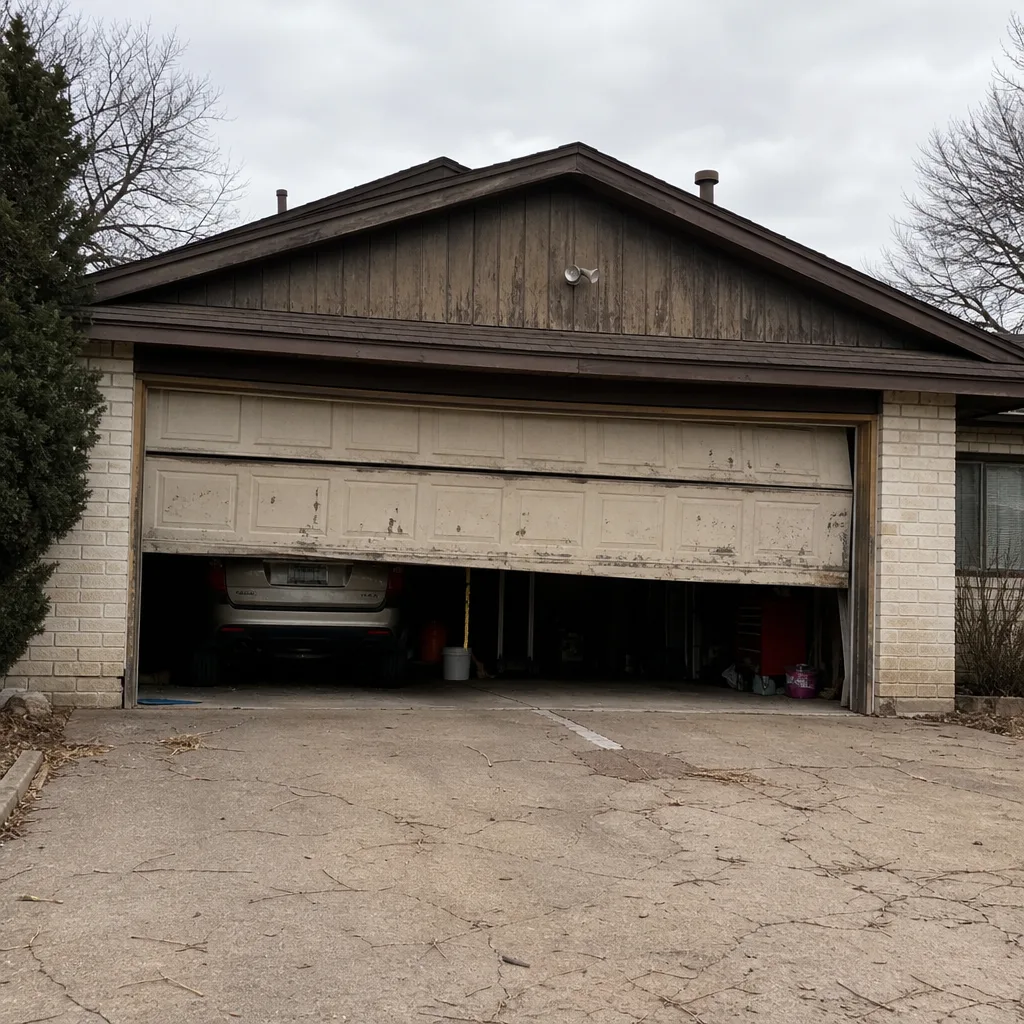 Before
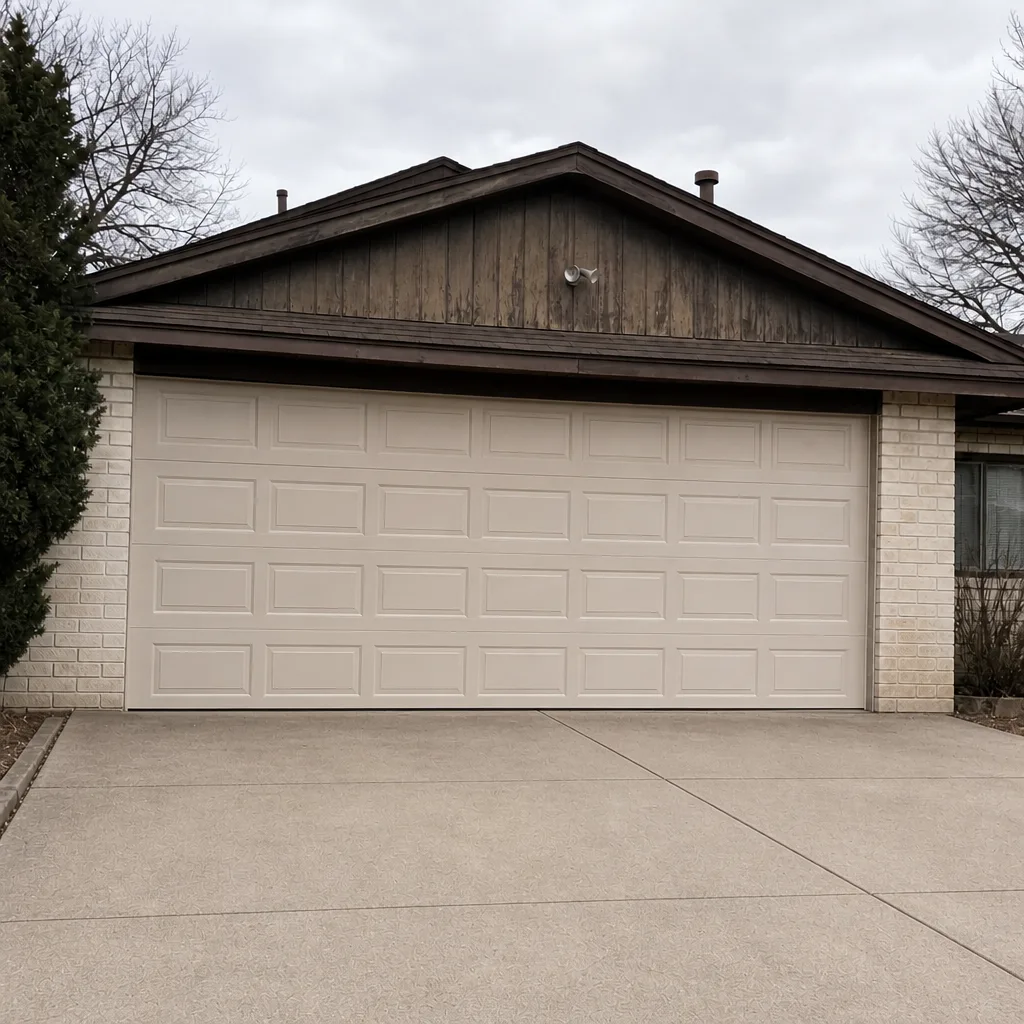 After
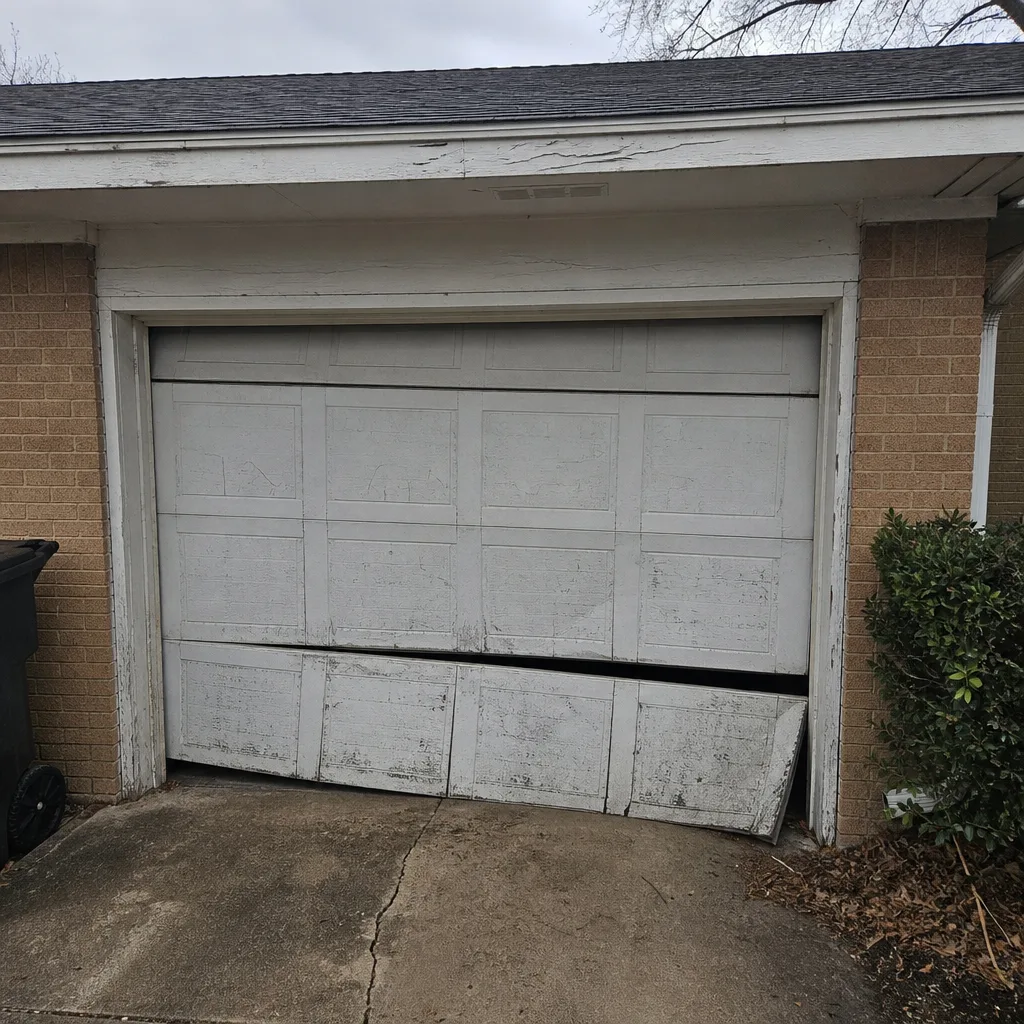 Before
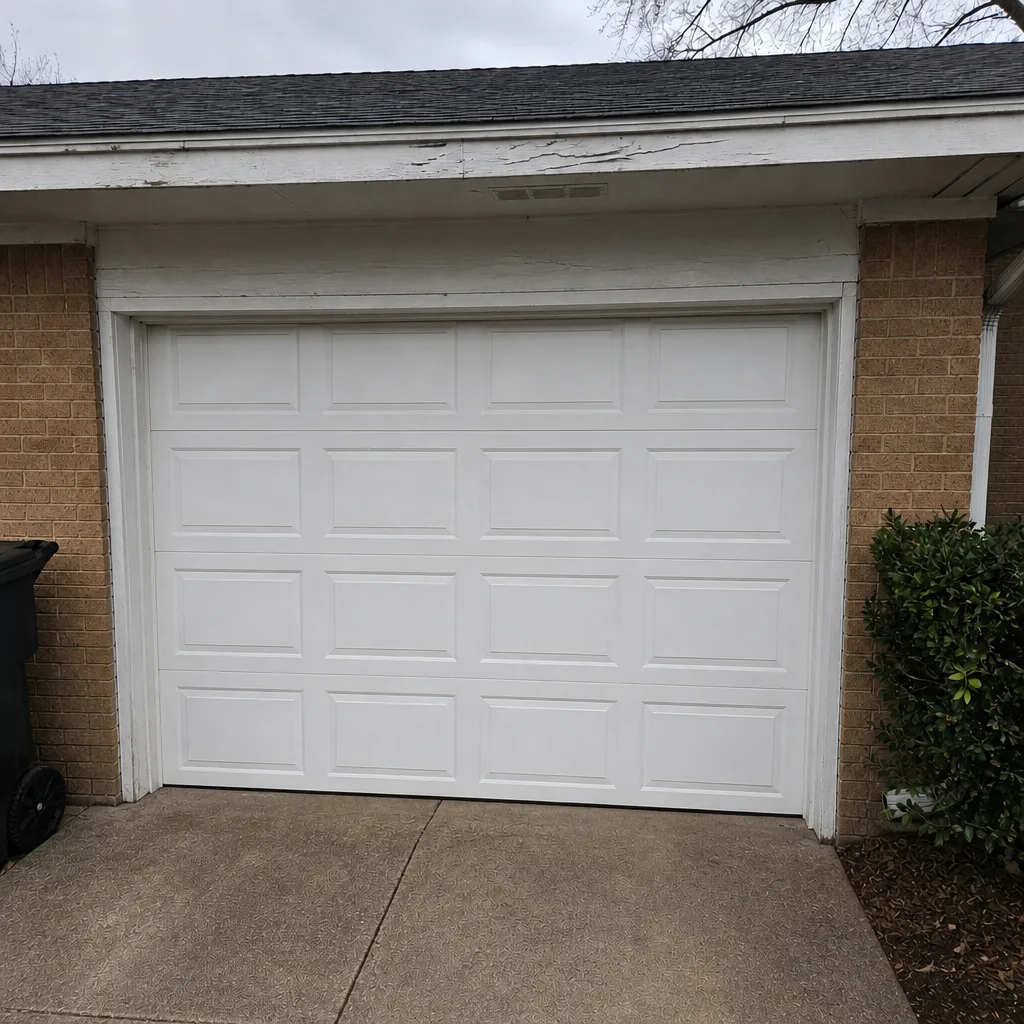 After
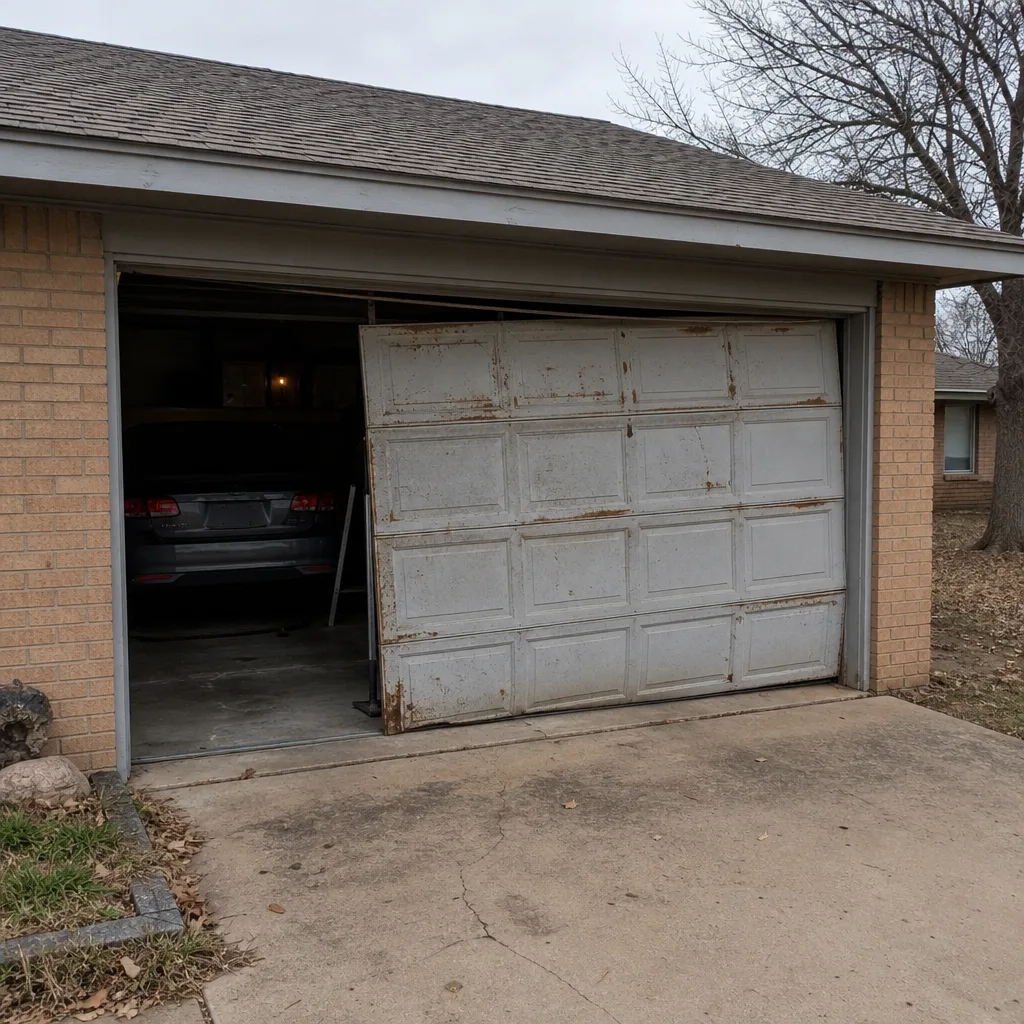 Before
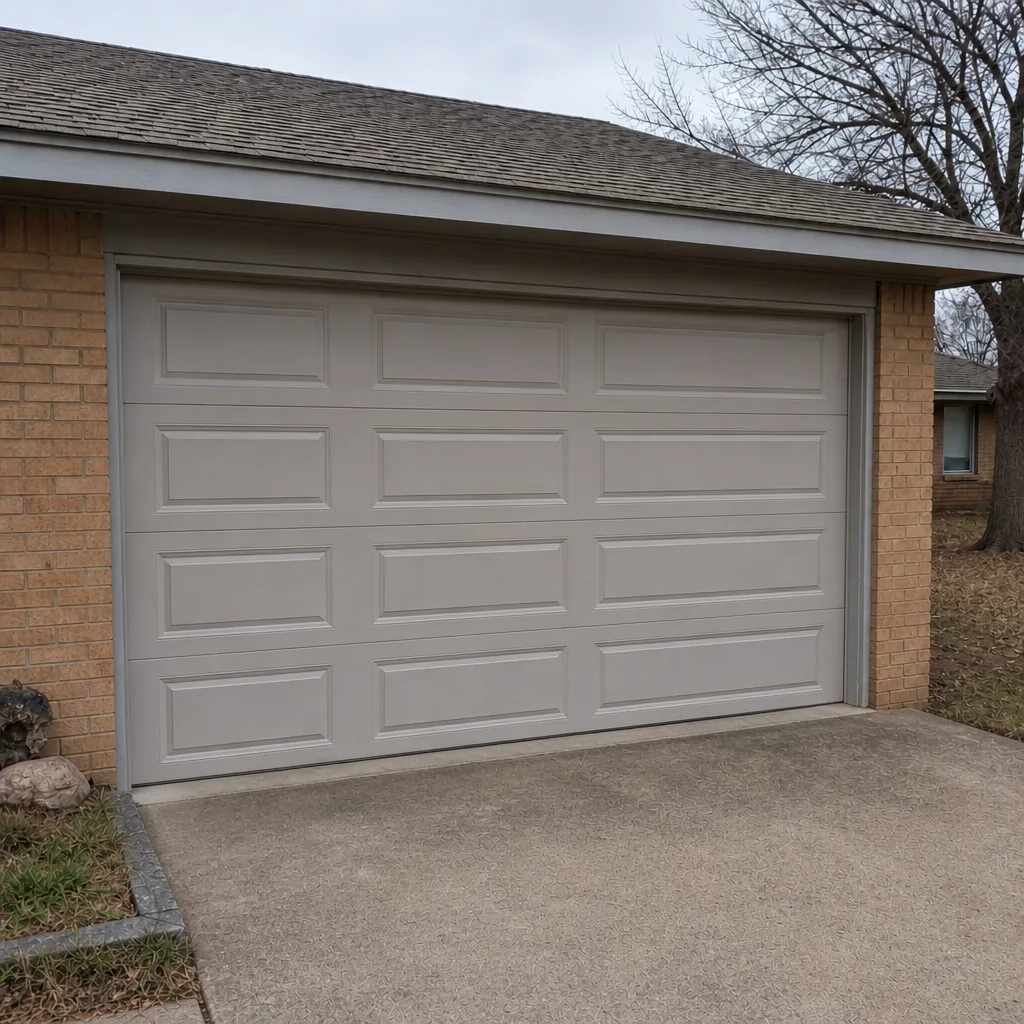 After
When to Call a Professional
Some jobs you can handle yourself, and some you shouldn’t touch. Call a professional when a spring is visibly broken, a cable is fraying, a track is bent, or the door binds and won’t lift evenly by hand. Call when the opener runs but the door doesn’t move, when the safety reverse stops working, or when a gap appears at the bottom that wasn’t there before. Call when the door has been through a big storm and something sounds different. And call before you buy a new door if you’re not sure whether repair is the better answer. Burgess Garage Door Repair offers free estimates in Abilene: call (844) 834-4604. We answer 24/7. Fast dispatch from 7am to 7pm, Sunday through Friday.
Frequently Asked Questions
It’s priced per spring, and a matched pair costs roughly twice the per-spring figure because the pair is usually replaced together. The written estimate sets the final price, quoted and agreed before work starts, and the estimate is free. Call (844) 834-4604 for an exact quote.
For a repair like a stuck or broken door, we can often get you on the schedule the same day, with fast dispatch from 7am to 7pm, Sunday through Friday. We answer 24/7, and a call outside dispatch hours is booked into the next opening. Call (844) 834-4604 and we’ll find the earliest slot.
Expansive clay soil swells and shrinks under the garage slab, and that movement throws the vertical tracks out of plumb and pulls the bottom seal away from a floor that’s no longer flat. Combined with wind load on the panels, it’s why alignment issues show up sooner here than in more stable ground. Call (844) 834-4604 to have the alignment checked.
No. The written estimate is the price, and it’s quoted and agreed before any work starts. We don’t add a premium for urgent work, and there’s no surprise on the invoice. Call (844) 834-4604 for your free estimate.
Our technicians are experienced and set up to work on your specific brand, and they’re licensed and insured. Our technicians have up to 11 years of experience, and they’re familiar with LiftMaster, Chamberlain, Genie, Clopay, Amarr, Wayne Dalton, Craftsman, and Raynor systems. Call (844) 834-4604 to get started.
Repair when a single part has failed on an otherwise healthy door; replace when there are multiple failed panels, recurring spring or track failures past the door’s lifespan, or a door that was never rated for Abilene’s wind zone. The honest answer depends on what we find, and we’ll tell you which category you’re in. Call (844) 834-4604 for a free estimate.
The Bottom Line
A garage door in Abilene is a mechanical system with a lifespan, and the choices you make now determine how long that lifespan runs. Wind rating is the spec that matters most on a new door. Ground movement is the reason alignment problems show up early, so catch floor gaps before they throw the tracks. Read your door the way a technician does, keep the safe maintenance on a local rhythm, and let a professional handle the springs, cables, and tracks. Repair, tune-up, or replace: the right call follows from an honest read, not a sales pitch. Get the number before the work starts, and get it free.
Call Burgess Garage Door Repair at (844) 834-4604 for a free estimate. We answer 24/7. Fast dispatch from 7am to 7pm, Sunday through Friday. We work on your brand, from the spring to the opener, one call covers it. Your door back on track, the right way, the first time.
Written by the team at Burgess Garage Door Repair.