
Last updated November 15, 2026
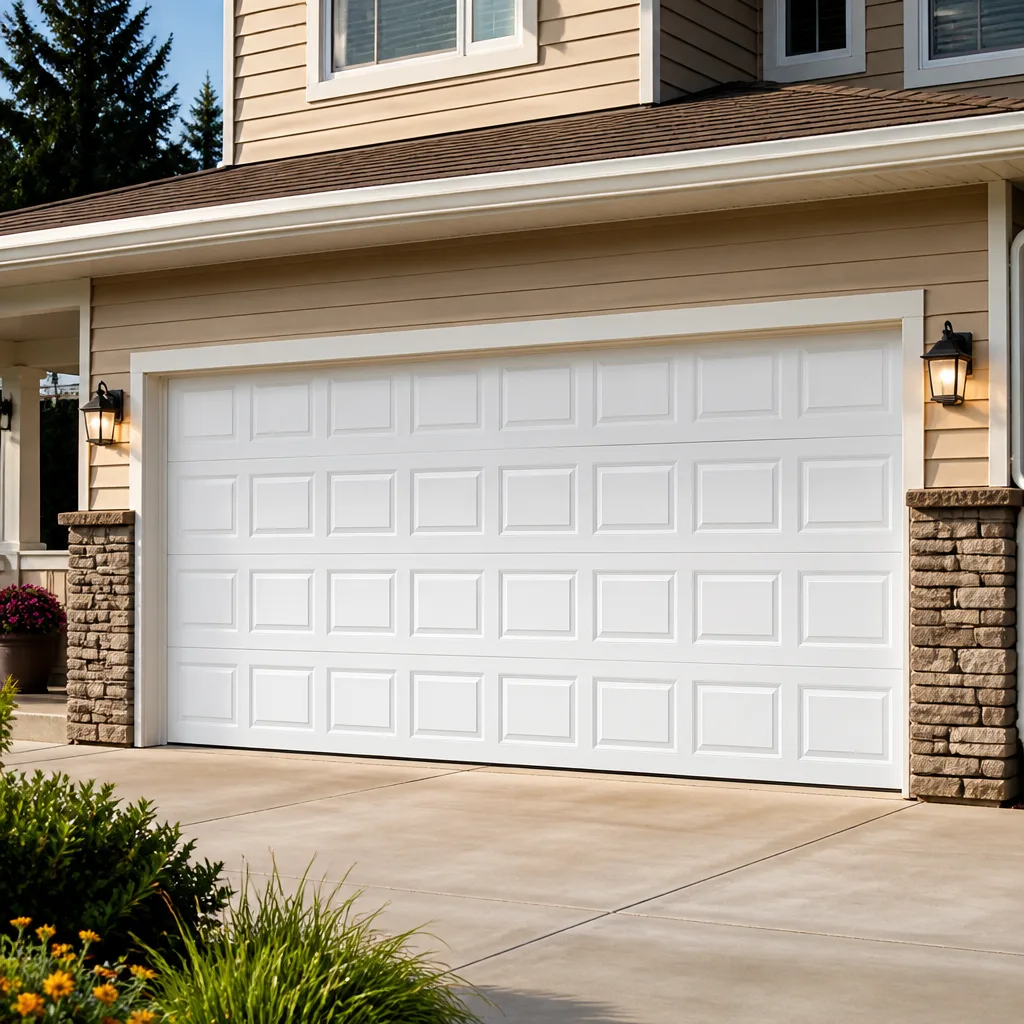 Raised-panel steel
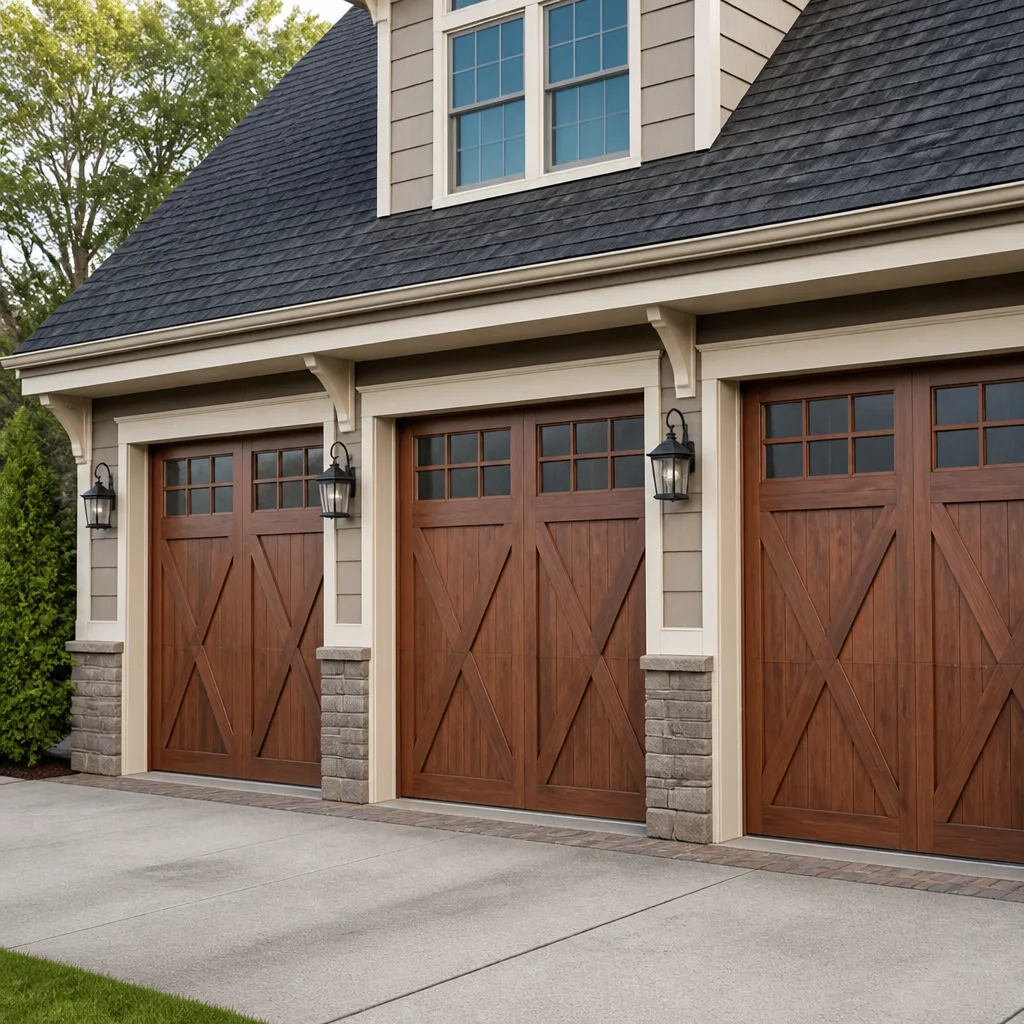 Carriage house
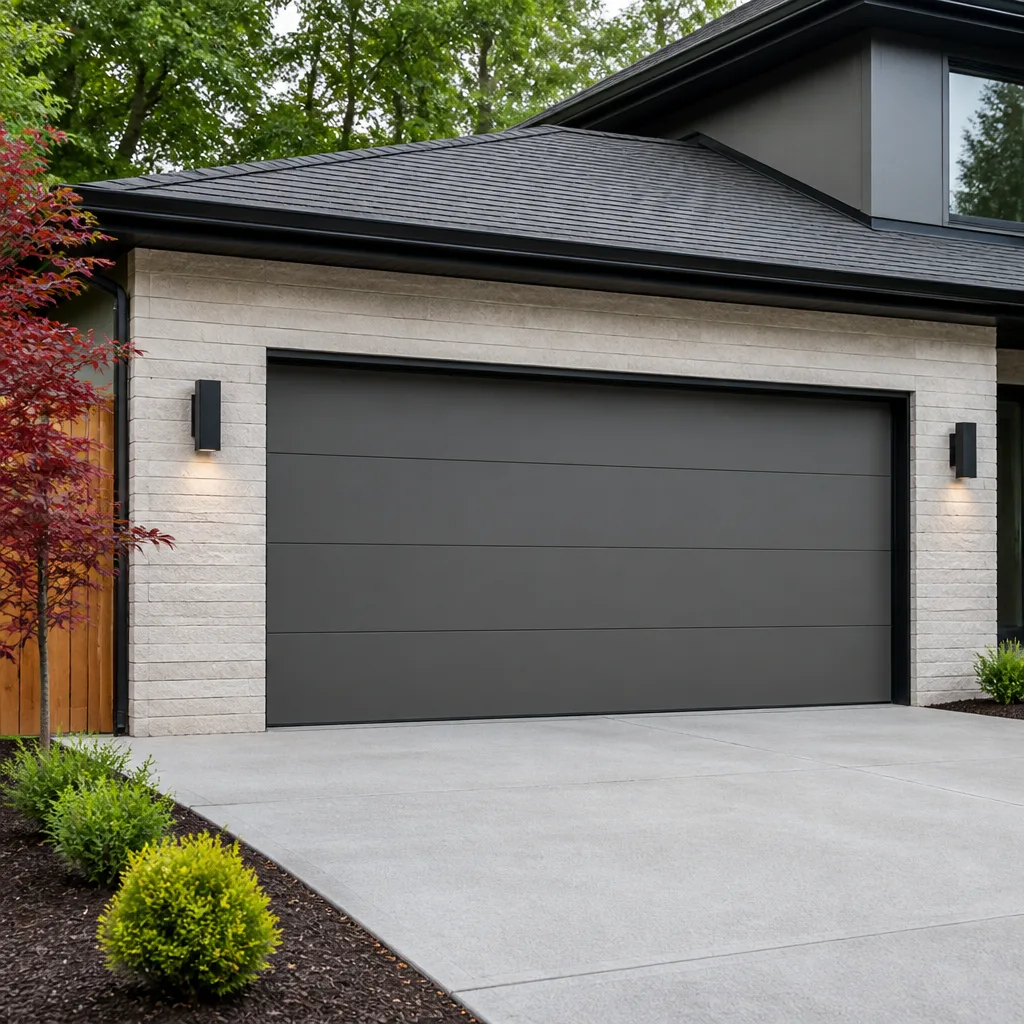 Modern flush
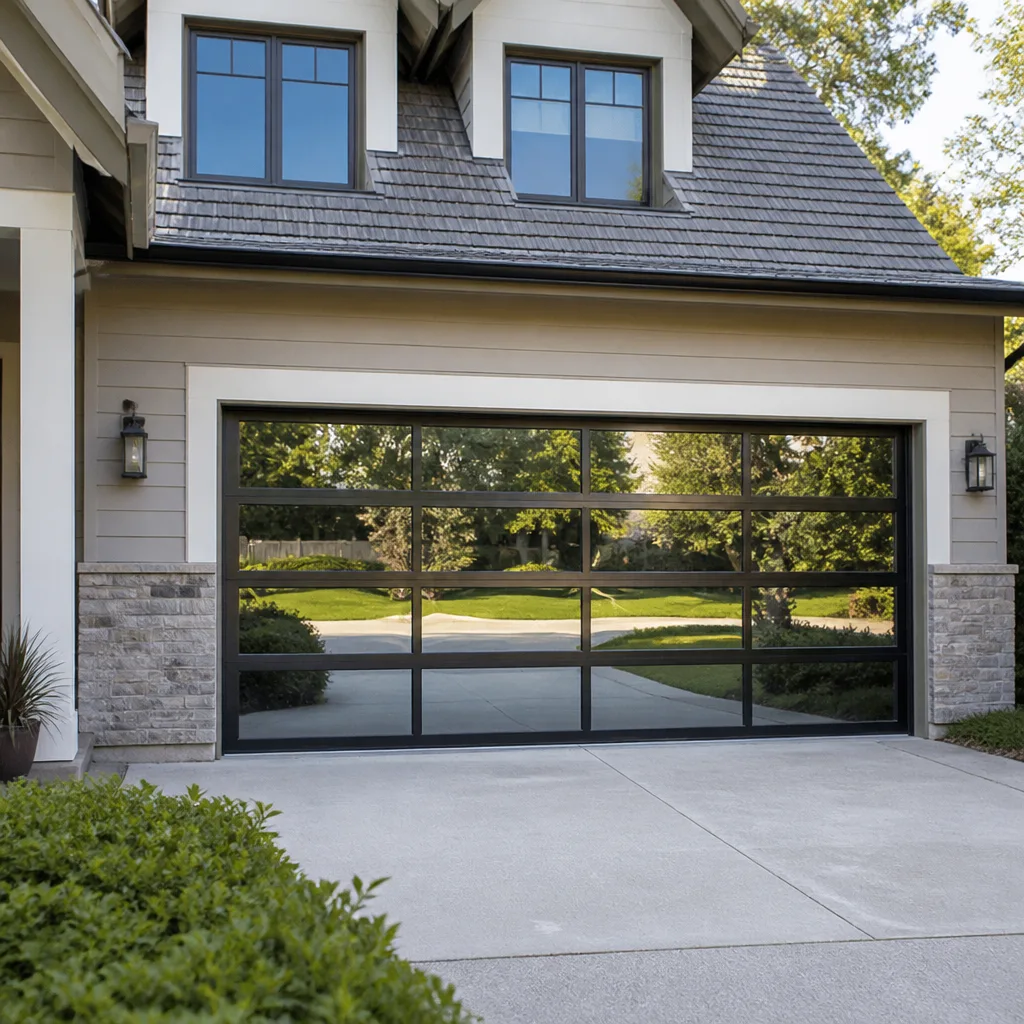 Full-view glass
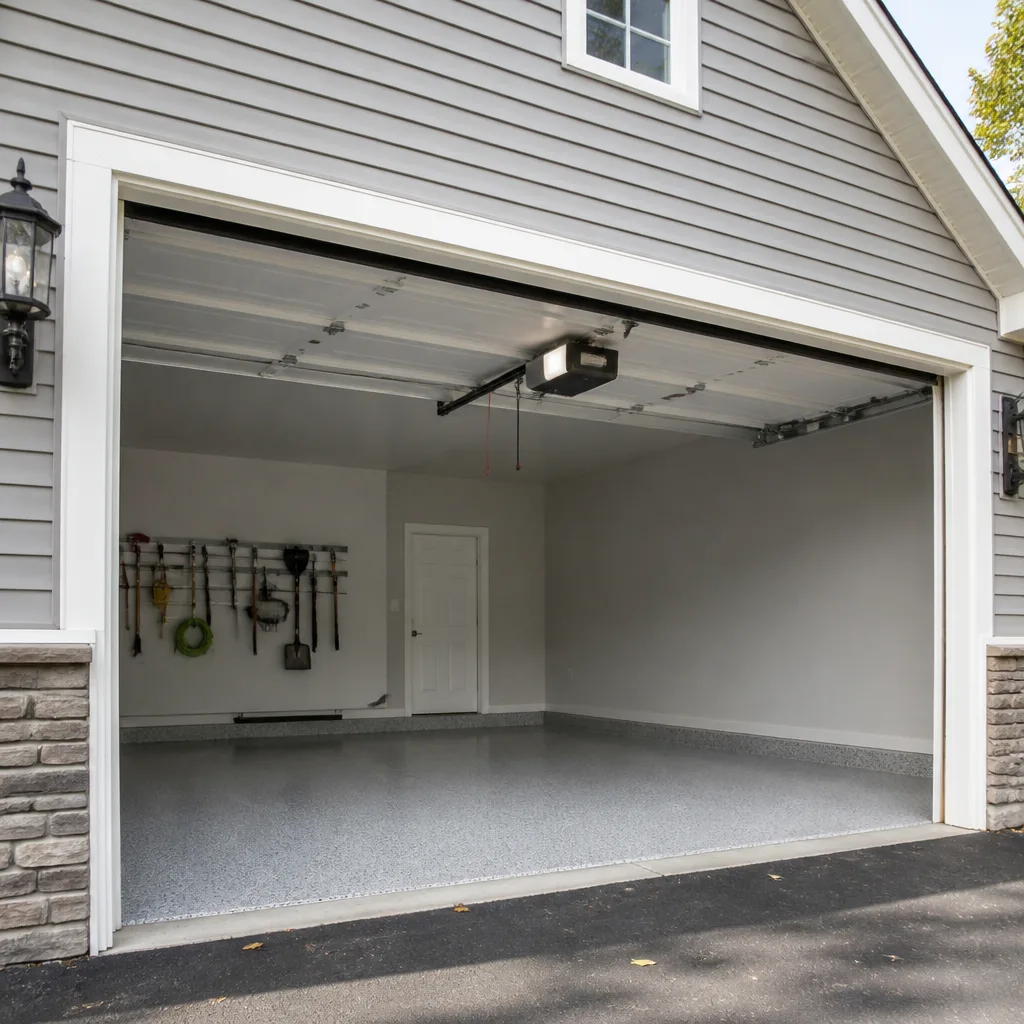 LiftMaster openers
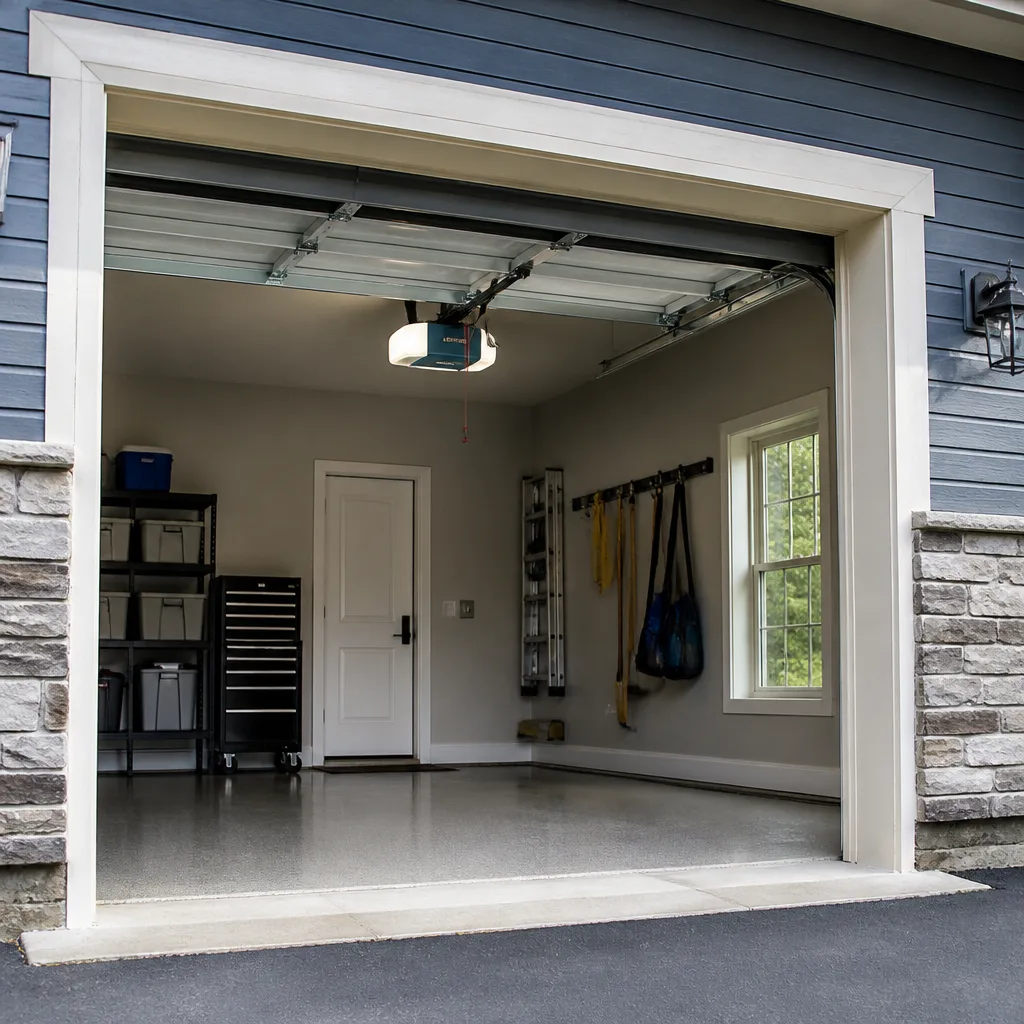 Chamberlain openers
Full 25-point door and opener safety check with every visit - springs, cables, rollers, tracks, and your LiftMaster or Chamberlain opener included
You get a price before we start. It does not change when the pro arrives.
Get your free estimateGarage Door Repair Maintenance Checklist for Abilene Homeowners
Most garage door advice tells you to check everything yourself and implies a screwdriver and a Saturday morning will keep the door running for years. That advice is half wrong. A few of the parts on your door are safe to inspect and adjust from the floor. Others, mainly the springs and cables, can hurt you badly if you touch them, and a well-meaning adjustment can wear out a component faster than neglect would. This guide draws the line clearly: what you can do, what you should never do, and how to spot a part that’s about to fail before it strands your car. The monthly check that catches most preventable repairs takes about 90 seconds. We’ll show you the three things to look at in that time, then build out the quarterly and annual tasks underneath it, timed for Abilene’s heat and dust.
Quick Answer
A complete garage door maintenance routine for Abilene has three layers: a monthly visual and safety check you can do from the floor, quarterly lubrication and balance testing, and an annual lubrication refresh plus a professional inspection of the springs, cables, and opener. Balance and reversal tests need no special tools, and you can do them safely in a few minutes. Spring and cable work should always be handled by a trained technician, because those parts are under extreme tension.
Styles & brands we work with
- Raised-panel steel
- Carriage house
- Modern flush
- Full-view glass
- LiftMaster openers
- Chamberlain openers
Table of Contents
- What to Check Every Month (The 90-Second Walkaround)
- What You Can Safely Do vs. What Needs a Technician
- Timing Your Maintenance for Abilene Weather
- How to Test Balance, Reversal, and Manual Release
- What Normal Wear Looks Like on Springs, Cables, and Rollers
- Lubrication That Actually Helps (and What to Skip)
- Your Printable Monthly, Quarterly, and Annual Schedule
- Common Mistakes to Avoid
- When to Call a Professional
What to Check Every Month (The 90-Second Walkaround)
This is the foundation of the whole checklist, and it costs nothing. Set a recurring reminder for the first of the month, walk out with the door closed, and look. Ninety seconds, no tools. The point is comparison: you’re learning what your door normally looks like so a change stands out next month.
- Look at the springs. On most Abilene doors these sit above the door on a torsion bar. You’re checking for visible gaps in the coils and for rust, not touching them.
- Look at the cables. The two steel cables running along each side should be evenly wound and free of frayed strands, kinks, or slack.
- Look at the rollers and hinges. Run your eye down each side track. Rollers should sit straight in the track with no visible wobble.
- Listen to the door. Open and close it once. A steady hum is normal. A rattle, grind, or hard bang as the door reaches the bottom is not.
- Check the photo-eye sensors. With the door open, wave an object across each sensor. The door should not move when you press close.
- Glance at the weatherstripping. The rubber seal along the bottom and the trim around the sides should still touch the door all the way around.
Note anything that changed since last month. A single new rattle is worth a phone call before it becomes a bent panel or a burned-out opener motor. If nothing’s changed, you’re done for the month. That’s the entire routine.
What You Can Safely Do vs. What Needs a Technician
Here’s where most checklists go quiet, and where it matters most. Some tasks are genuinely fine for a homeowner. Others are not just risky but dangerous, and the reason is mechanical, not bureaucratic.
Safe for you to do
- Visual inspection of springs, cables, rollers, and track for obvious damage.
- Balance and reversal testing described below, which requires only your hands and the door’s own controls.
- Lubricating hinges, rollers, and the torsion bar with the right product, working from the floor.
- Cleaning the tracks with a rag and a mild cleaner, then wiping dry.
- Replacing a photo-eye sensor or re-aligning one if you’re confident with small wiring.
- Testing the manual release from inside a closed garage, with no one standing under the door.
Needs a trained technician
- Replacing or adjusting torsion or extension springs. The springs hold the entire weight of the door in stored energy. A spring under tension that slips can cause serious injury, and the tools to handle them safely (winding bars) are not something to improvise. This is the part of the door that is genuinely dangerous, and it’s where a trained hand matters.
- Adjusting or replacing cables. Same story: cables are under load and a snapped or loose cable can whip.
- Trimming or re-engineering the track. A track that’s been bent needs to be brought back to true, not forced.
- Opener motor or circuit board repair. The opener is wired to household current. Any work inside the housing, or on the wiring, is a job for someone trained on that specific system.
- Panel replacement on a model-specific door. Clopay, Amarr, and Wayne Dalton each build their panels differently, and a replacement needs to match the door you own.
Notice that the “needs a technician” list is short. That’s the point of the whole guide: you can do most of what keeps a door healthy, and the few things you shouldn’t touch are exactly the things where a mistake is expensive or unsafe. That monthly 90-second check is often the difference between a quick fix and a snapped spring.
Timing Your Maintenance for Abilene Weather
Abilene has two conditions that matter for garage doors: summer heat that expands metal and rubber, and dust carried on dry West Texas wind. Both affect when you do which task. Standard checklists were written for temperate places and miss this.
Before summer heat
Metal expands in the heat, and a door that ran quietly in spring can start binding on a track that fit tight three months earlier. Lubricate hinges and rollers in late spring, before the peak heat arrives, so the door has fresh lubricant when it’s working hardest. This is also a good time to check balance: an out-of-balance door will bind faster in heat, and catching it in spring saves you a July repair.
Before and after dust season
Blowing dust settles into the tracks and the weatherstripping seal, and grit accelerates roller wear. Clean the tracks more often than you would in a wetter climate. When the dust picks up, check the weatherstripping and the bottom seal to make sure the door still closes tight against the frame. A seal that’s pulled away lets dust under the door and into the garage, and it’s also the first sign that the seal is ready to be replaced. If you find that gap on a monthly check, call before the dust gets in.
Year-round
Keep the photo-eye sensors clean. In dusty conditions the lenses fog over faster than you’d expect, and a dirty sensor causes the door to reverse or refuse to close for no visible reason. A dry rag on each sensor once a month handles it.
None of this is complicated, but timing it to the calendar makes the check actually happen. The next section walks through the three tests; the schedule near the bottom puts them on a printable list.
How to Test Balance, Reversal, and Manual Release
These three tests catch most mechanical problems before they show up as a breakdown, and none of them require a tool. Do them quarterly. If you have a friend or family member around, have them watch while you test.
Balance test
- Open the door fully with the opener, then pull the manual release so the door is disconnected from the opener.
- Lift the door to about halfway open and let go. It should hold roughly where you placed it.
- If it sags or slams down, the springs are losing tension or are out of balance, and it’s time for a technician to look at them. Don’t keep using the door with the opener reconnected until it’s checked.
- Once you’re satisfied, lower the door by hand and re-engage the release.
Reversal sensitivity test
Most openers have a contact-reversal safety feature: the door should stop and reverse if it meets an object on the way down. Test it by placing a brick or a phone book (about two inches thick) flat on the ground in the door’s path, then pressing close. The door should stop and reverse on contact. If it presses down on the object without reversing, the safety feature needs attention. Modern openers from LiftMaster, Chamberlain, and Genie have this built in, and it’s adjustable, but if yours doesn’t reverse, call before using the door.
Manual release test
Pull the manual release (the red handle hanging from the opener rail) with the door closed and nothing in the path. The door should release from the opener smoothly. If the release won’t engage or won’t re-engage, the door could leave you locked in or out during an emergency. This one’s worth a quick hands-on check from inside the garage, standing clear of the door.
These are the tests worth repeating on a schedule, and the reason “how often” matters so much: each test is a check on the door’s condition right now, not a permanent fix. An annual version of the same three tests will tell you whether a part has changed.
What Normal Wear Looks Like on Springs, Cables, and Rollers
Knowing what a part looks like when it’s healthy is how you spot trouble early. We’ve seen every brand of wear, and the pattern is consistent. Here’s what to look for and what means replacement is near.
Springs
- Healthy: even coils, no gaps along the length, no visible rust.
- Wearing: one or more gaps appearing between coils. That gap is the spring thinning as the metal stretches. Gaps mean the spring is losing tension and could fail.
- Replace now: a visible crack in the coil or a gap that’s noticeably widened since last month. If the door feels heavy to lift, the spring has likely already failed.
Springs are the part most likely to fail without warning, and the one part you should never work on yourself. That’s why the spring visual is the very first thing on the monthly check.
Cables
- Healthy: evenly wound on the drum, no frayed strands, no kinks.
- Wearing: any fuzzy or frayed steel strands at the ends, or a cable that has come off the drum edge.
- Replace now: slack in the cable (usually paired with a broken spring) or a visible kink. Broken strands mean the cable is near failure, and a failing cable can whip. Call a technician.
Rollers and hinges
- Healthy: rollers roll straight in the track, hinges pivot freely, light grease visible.
- Wearing: a wobble in the roller as the door moves, or a hinge that squeaks through its whole travel.
- Replace now: a roller that’s come out of its jam or a hinge that’s cracked. Both are inexpensive fixes but can bend a panel if ignored.
Watch for change rather than absolute condition. A roller that’s slightly worn but steady is fine. The moment it changes, note it. That’s the “normal wear” conversation turned into a checklist: you’re looking for a difference from last month, not perfection.
If you own a door from a brand with model-specific hardware, the visual cues still work, but a replacement part has to match. We’re certified to work on eight major garage door brands, including Clopay, Amarr, Wayne Dalton, and Craftsman, so whichever door you already own, the technician arrives already familiar with how it’s built. If a worn part needs to come off, that familiarity shortens the job and helps the repair last.
Lubrication That Actually Helps (and What to Skip)
Lubrication is the task most people get wrong, in both directions. Some slather everything and attract dust; others skip it entirely and wear out rollers. The right approach depends on the part.
- Use a white lithium grease or a silicone-based lubricant on the hinges, roller bearings, and the torsion bar. Light coats. Wipe off excess, especially in a dusty climate, because excess grease collects grit and grinds it into the bearing.
- Do not put grease on the track. Tracks should be clean and dry. Grease on the track traps dust and slows the door. Clean it, don’t lube it.
- Don’t use oil on the springs. Oiling a spring doesn’t help and can hide rust that would tell you the spring is near the end. Leave them dry and let a technician inspect them.
- Don’t use oil or grease on the photo-eye lenses. Dry cloth only.
Lubrication belongs on the quarterly list and, in a dusty season, a light refresh. It’s one of the few things that genuinely rewards a little effort with a longer-working door. The rule of thumb: grease the moving parts, clean the track, and keep the springs dry.
Your Printable Monthly, Quarterly, and Annual Schedule
Here’s the whole routine on one page. Print it, stick it on the garage wall, and work through it on a schedule. Timed for Abilene: the quarterly lubes land before summer, and the weatherstripping checks land before and after dust season.
Monthly (about 90 seconds)
- Visual check of springs, cables, and rollers.
- Photo-eye sensor test with an object.
- Weatherstripping check around the bottom and sides.
- Listen to one open and close cycle for new noises.
Quarterly (20 minutes)
- Balance test: manual release, lift halfway, let go.
- Reversal sensitivity test with a brick or block.
- Manual release test (engage and re-engage).
- Clean the tracks with a rag and dry.
- Light lubrication of hinges, roller bearings, and the torsion bar.
- Spring and cable re-inspection.
Annually (30 minutes, plus a professional check)
- Full lubrication refresh from the quarterly list.
- Inspect weatherstripping closely, especially the bottom seal.
- Look for loose hardware (bolts, brackets) with a wrench in hand, tightening only by hand.
- Book a professional inspection of the springs, cables, and opener.
If you’re the kind of homeowner who likes a written plan, this is yours. If you’d rather have one date circled, pick the first of each month and set a phone reminder. The point of the schedule isn’t rigor for its own sake; it’s catching the next problem before it becomes the costly one. A monthly look catches the spring gap while it’s still a gap, not a snapped spring on the day you need the car.
Common Mistakes to Avoid
- Slathering the tracks with oil. It feels like maintenance and works against you. Grease on the track traps dust and slows the door; clean it dry instead.
- Trying to loosen or adjust a spring by hand. This is the single most dangerous thing on a garage door. Springs are under extreme tension, and the tools and technique require training. A “small” adjustment can slip and cause serious injury. Leave them to a technician.
- Ignoring a new noise. A rattle that appears one month and is gone the next is still worth a note, because it usually comes back. In a dusty climate, grit in a roller is the usual cause, and catching it early is inexpensive.
- Assuming a sagging door is a worn opener. A door that sags is usually losing spring tension, not failing at the motor. The fix is often cheaper and safer when you get it to a technician before the opener motor starts working harder than it should.
- Skipping weatherstripping. A seal that’s pulled away lets West Texas dust into the garage and can lead to a drafty room above. It’s a small, easy fix that gets overlooked because the door still opens and closes.
- Letting a bent panel wait for a “round tuit.” A panel that’s out of line puts extra strain on the track and the opener. Small panel damage that’s left alone tends to get larger. If your door is a model-specific build like a Clopay or Wayne Dalton, matching the panel matters, so don’t let it linger.
- Forgetting the photo-eye sensors exist. Shutting off the garage light and forgetting to test the reversal is the most common reason a door closes on something. Test it quarterly, even in a quiet month, because it takes one minute and it’s the safety feature.
When to Call a Professional
Some jobs are your coffee-and-a-rag list. Others need a trained eye and trained hands, and it’s worth knowing which is which before you pick up a tool. Call a technician if the door sags when lifted, if a spring shows a gap or crack, if a cable is frayed or slack, if the door reverses on its own or refuses to close, if the opener motor hums without moving, if a track is bent, or if you find any of the wear signs above. Those are the situations where a mistake is dangerous or costly. A garage door that’s failing can be repaired, but a spring failure can cause injury to anyone nearby, which is the reason the safety check comes before everything else.
If you’re near the south side, off the loop, or anywhere else around Abilene, a technician can look at what you’ve found and tell you what actually needs attention. Burgess Garage Door Repair offers free estimates in Abilene – call (844) 834-4604. We work on your brand, so whether it’s a Craftsman opener, a Wayne Dalton door, or a system you inherited with the house, we can diagnose it without steering you toward a replacement for something that only needs a repair. From the spring to the opener, one call covers it. When a repair makes sense, we’ll say so, and when a replacement makes more sense, we’ll say that too.
See the difference
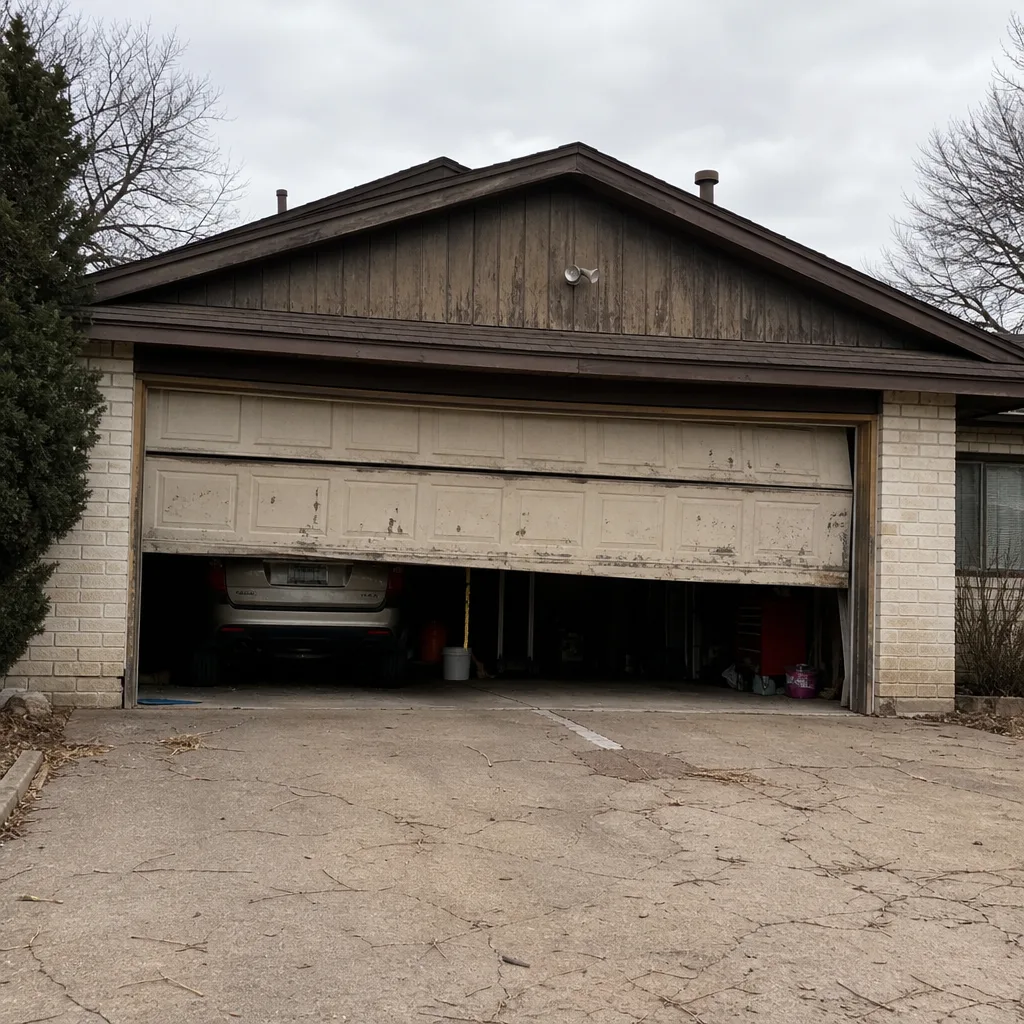 Before
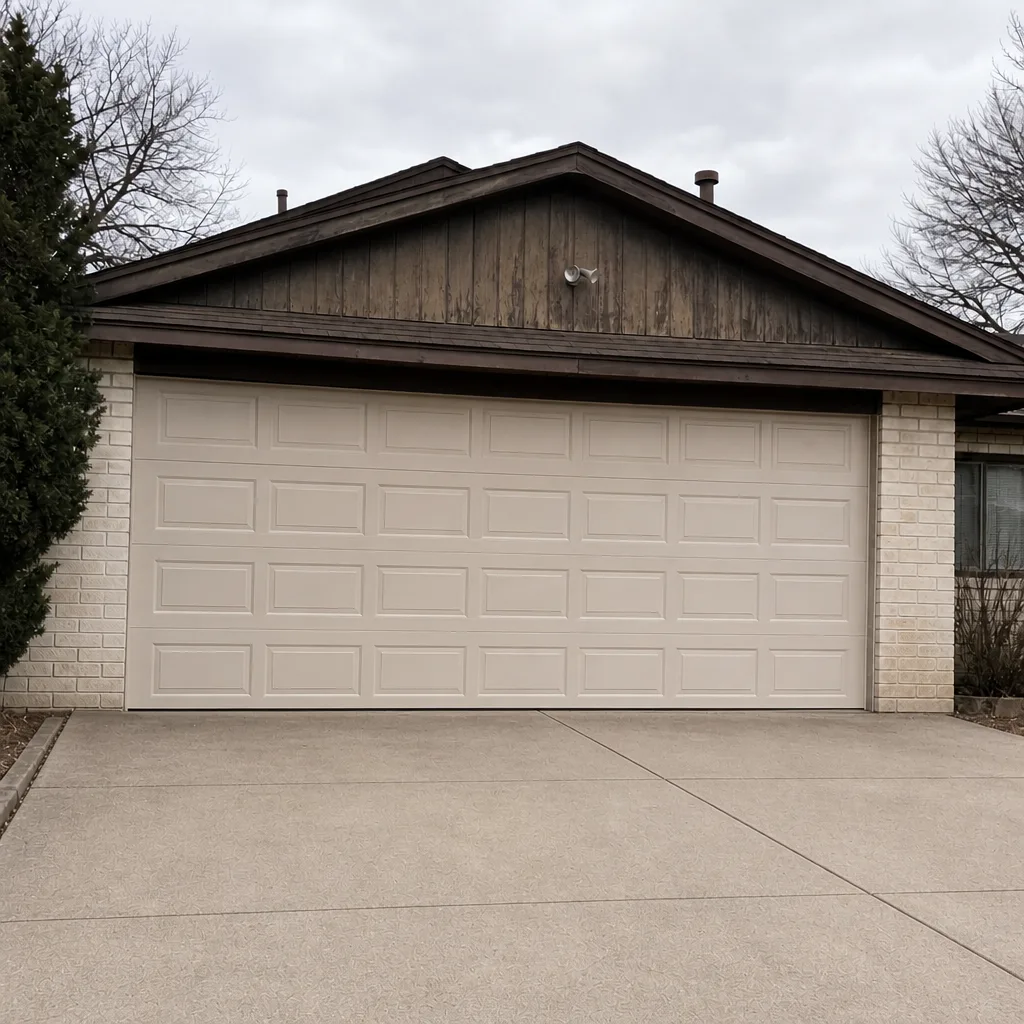 After
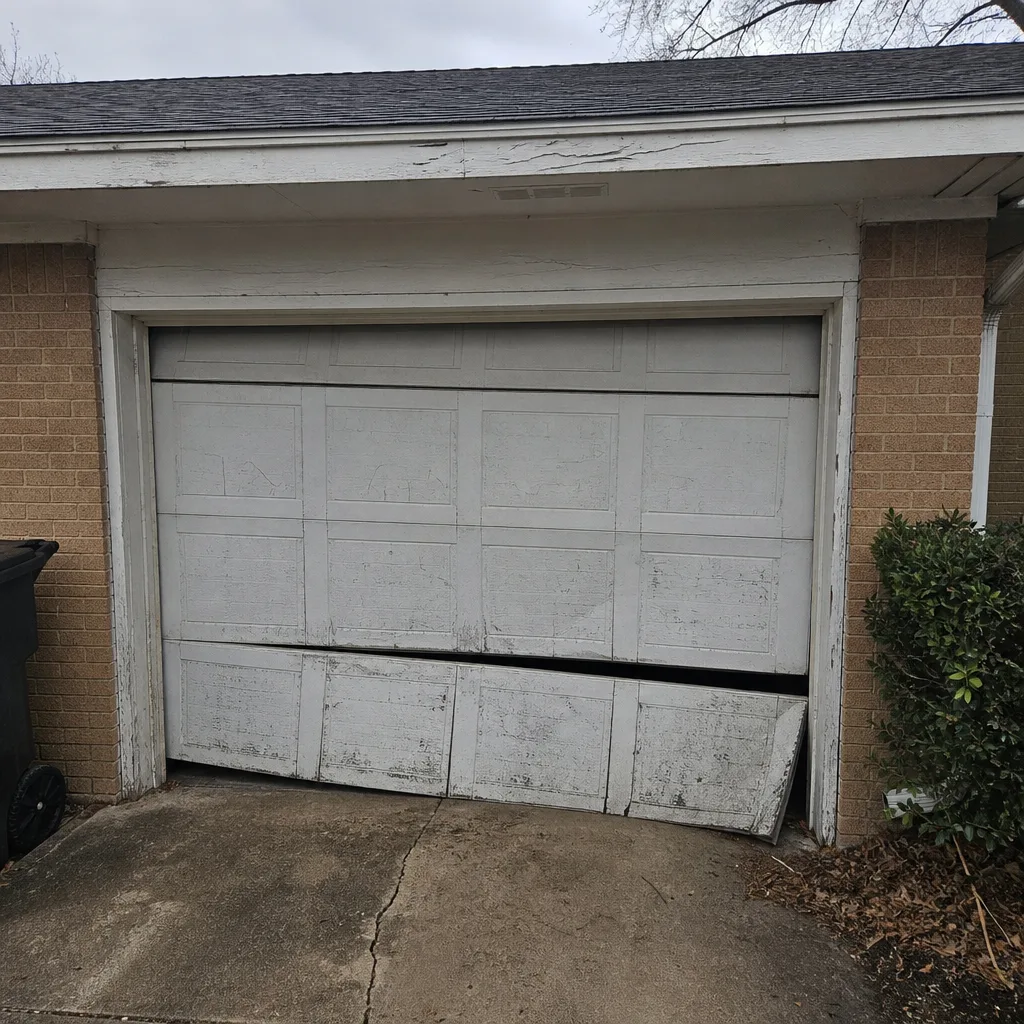 Before
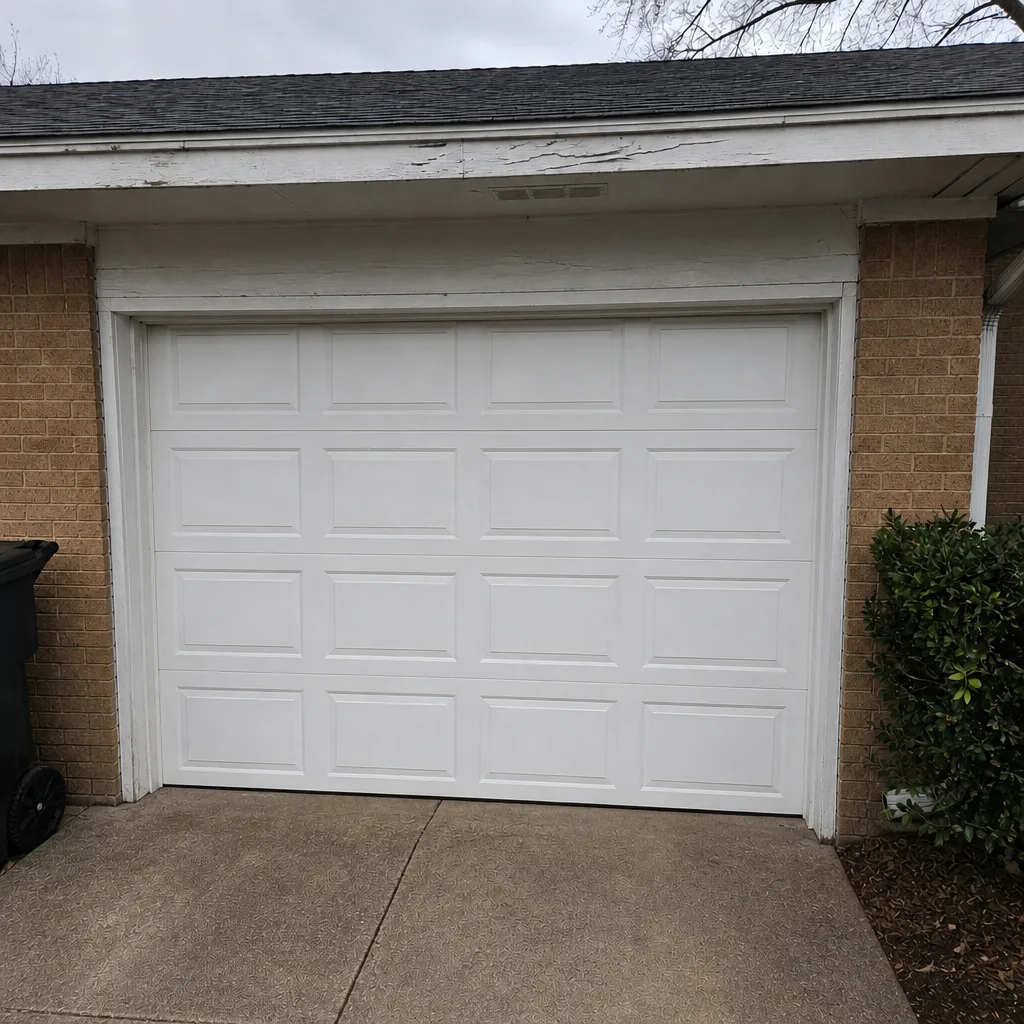 After
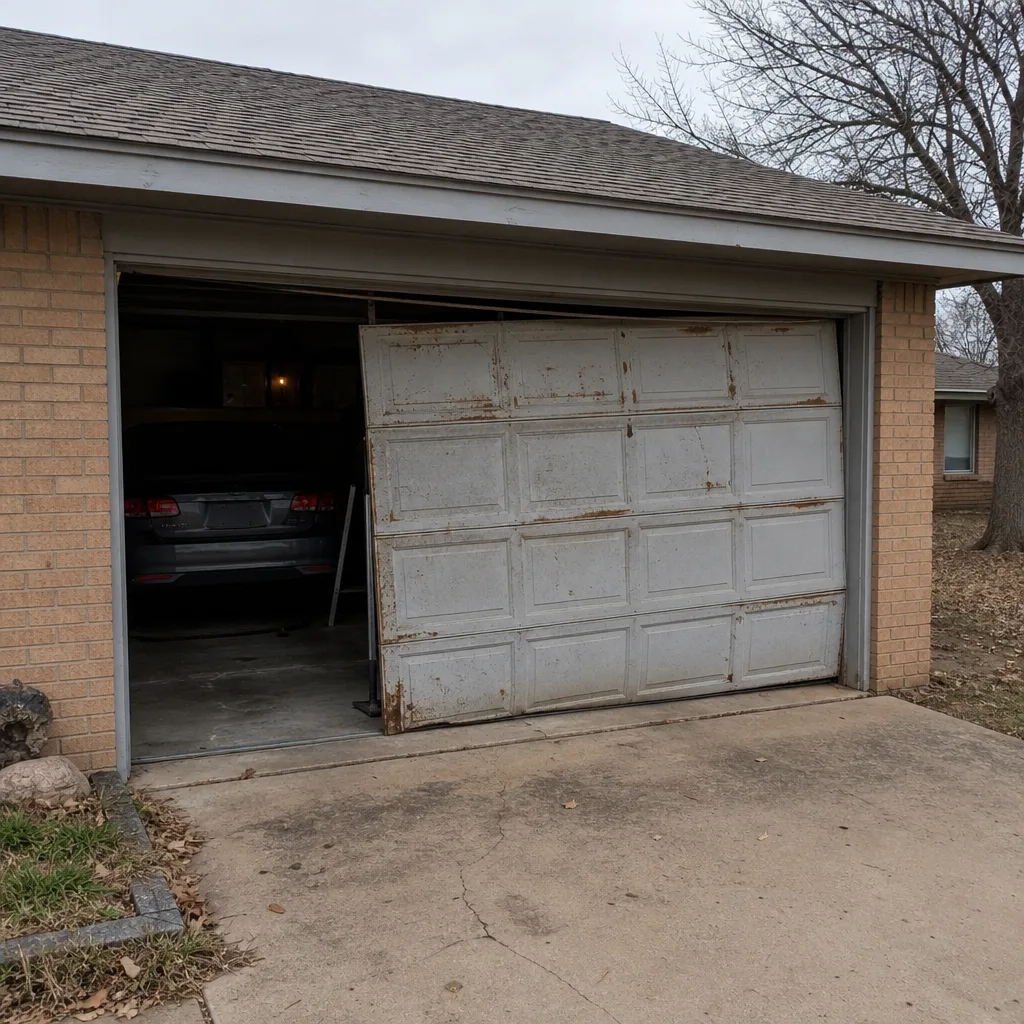 Before
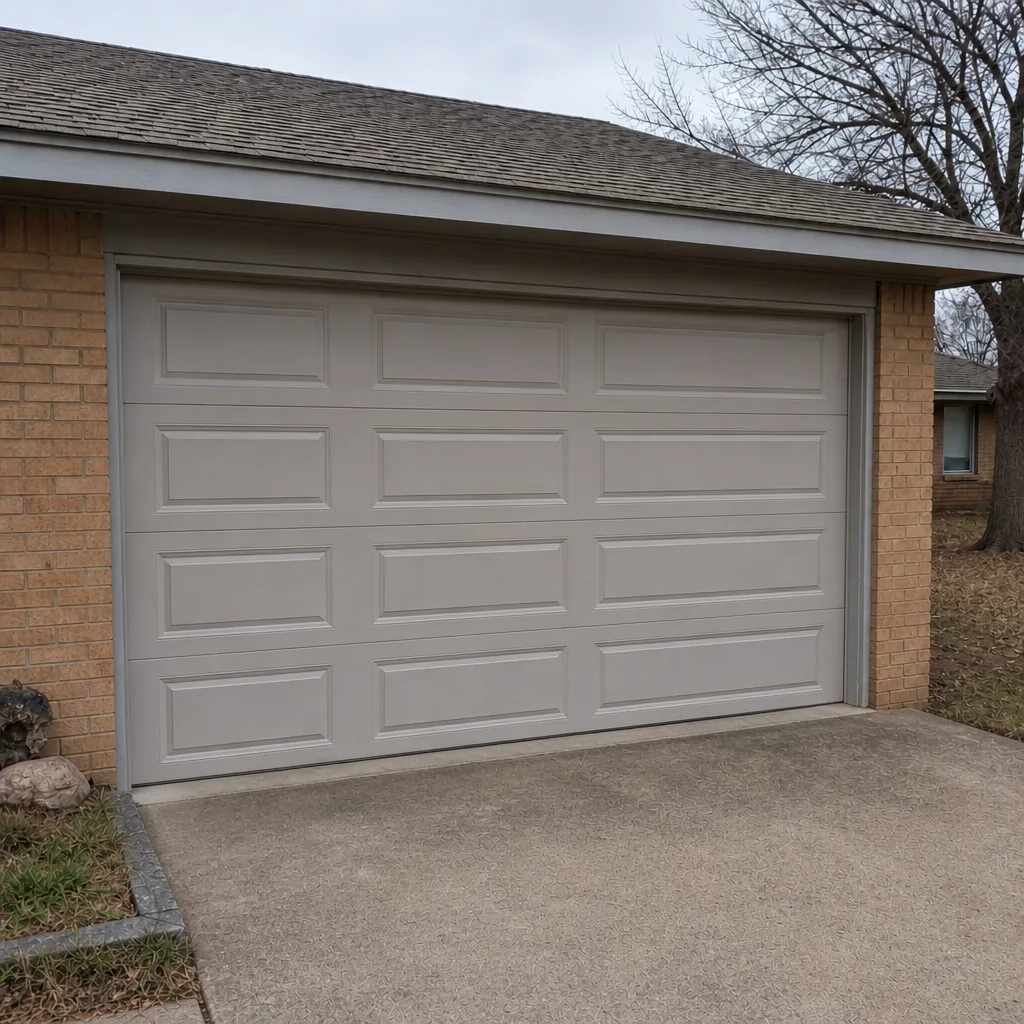 After
Frequently Asked Questions
Do the 90-second visual walkaround once a month and the full balance, reversal, and lubrication check once a quarter, with a professional inspection once a year. The monthly check catches most problems before they show up as a breakdown.
You can wipe rust off the surface, but don’t oil the springs and don’t attempt to loosen or adjust them. Springs are under extreme tension, and even a careful homeowner adjusting them can get hurt. Leave spring work to a trained technician.
A visible gap or crack in the coil, a door that feels heavy to lift, or a door that won’t stay open when lifted halfway all point to worn or failed springs. If you see any of those, call a technician rather than testing further. Our garage door repair team checks springs as part of any service call.
Check the photo-eye sensors first; a dirty or misaligned sensor is the most common cause of a door that reverses for no reason. If the sensors look clean and aligned and the door still won’t close, the opener or its wiring needs a look. Any work inside the opener housing is best left to a trained technician.
Yes, in two ways. Summer heat expands metal and rubber, so bind points show up in the hottest months, and dust settles into tracks and weatherstripping. Lubricate hinges and rollers in late spring before the heat peaks, and clean the tracks and check the seals around dust season.
A door repair covers the panels, rollers, tracks, springs, and cables; a garage door opener repair covers the motor, circuit board, remote, and safety sensors. We handle both, plus new installation, so the same company can take care of whatever you find on this checklist. If you’re in Abilene and want a hand with the diagnosis, call (844) 834-4604 and we’ll take a look.
The Bottom Line
A garage door doesn’t fail without warning. It fails after a month of a gap nobody looked at, a rattle nobody noted, or a seal that quietly pulled away while the door still opened. That’s why the monthly check matters more than the bigger tasks: 90 seconds of looking is what catches the spring before it breaks and the roller before it wears through. Most of this guide is stuff you can do yourself, safely and for free; the few things that aren’t are exactly the ones we’ve flagged for a technician, and for good reason. Pair the monthly check with a quarterly lube before summer and a professional inspection once a year, and you’ll catch the $400 repair that a $0 monthly check would have stopped. Your door back on track, the right way, the first time.
If that list feels like more than you want to take on, or if the checklist turned up something you’d like a trained eye to see, Burgess Garage Door Repair provides garage door repair, opener repair, and full installation for homeowners around Abilene. Our technicians have up to 11 years of experience, and we work on your brand rather than steering you toward a replacement you don’t need. Call (844) 834-4604 for a free estimate. We answer 24/7. Fast dispatch from 7am to 7pm.
Written by the team at Burgess Garage Door Repair.