
Last updated November 15, 2026
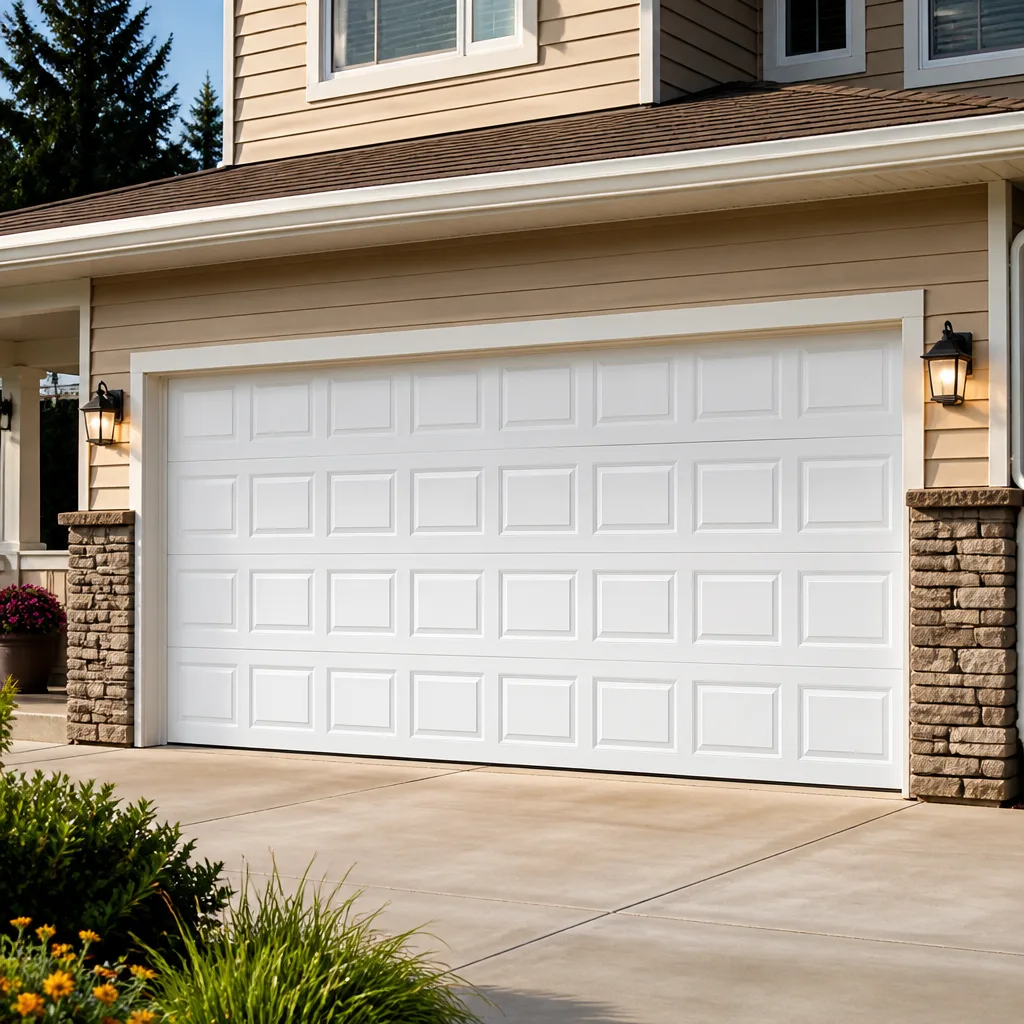 Raised-panel steel
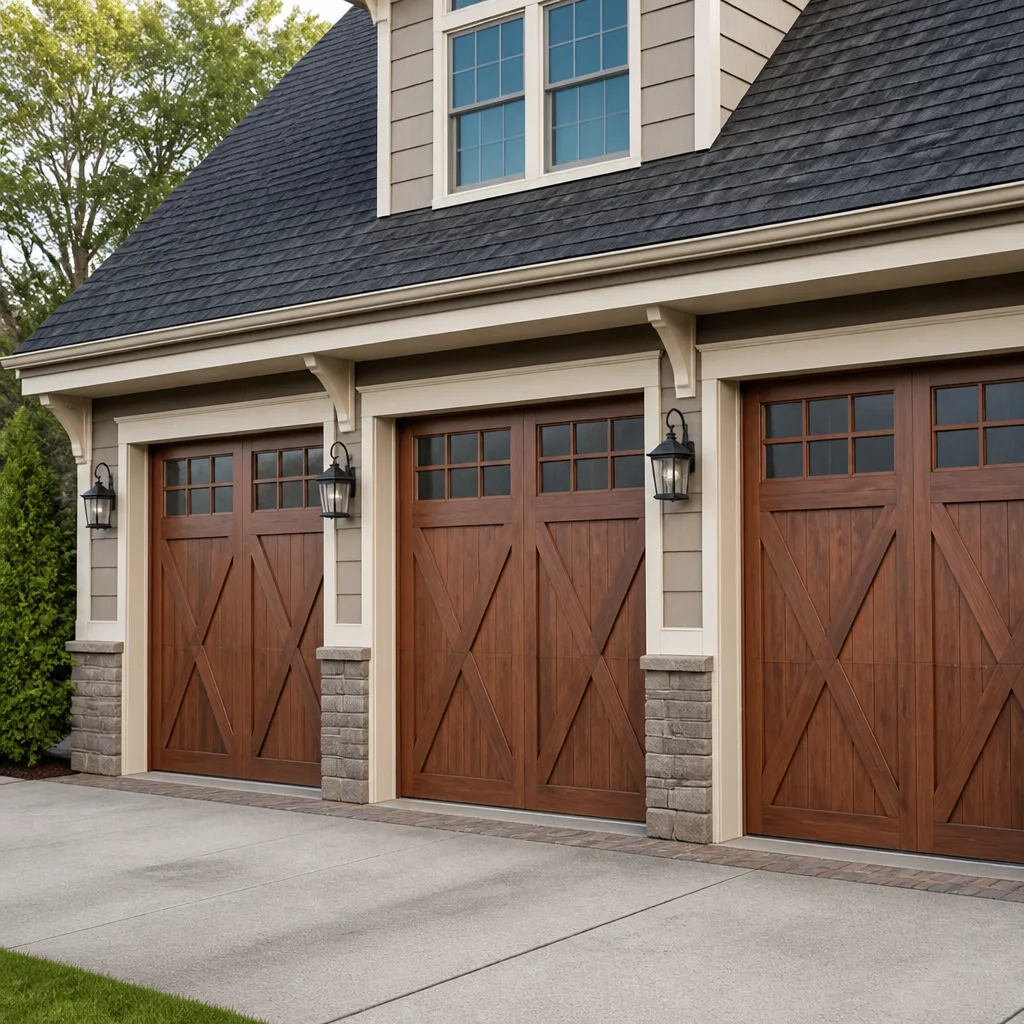 Carriage house
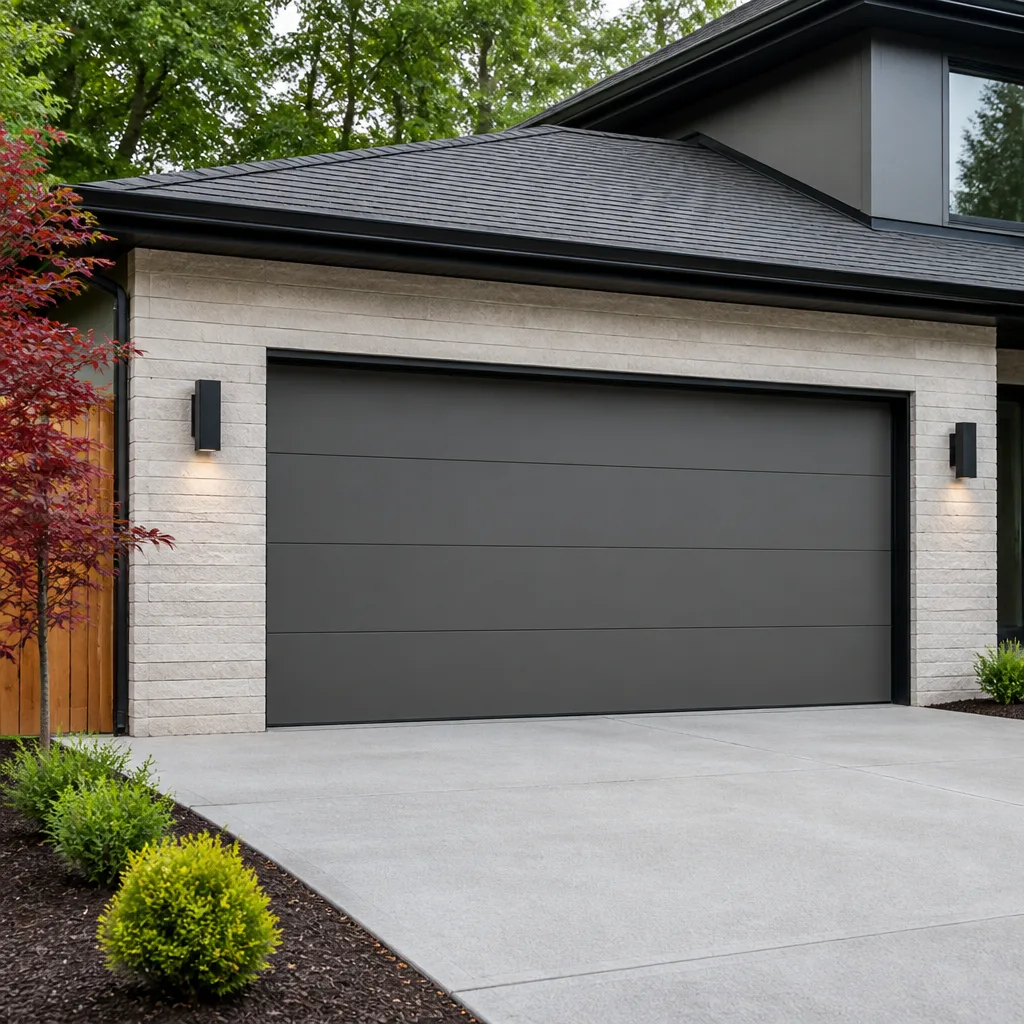 Modern flush
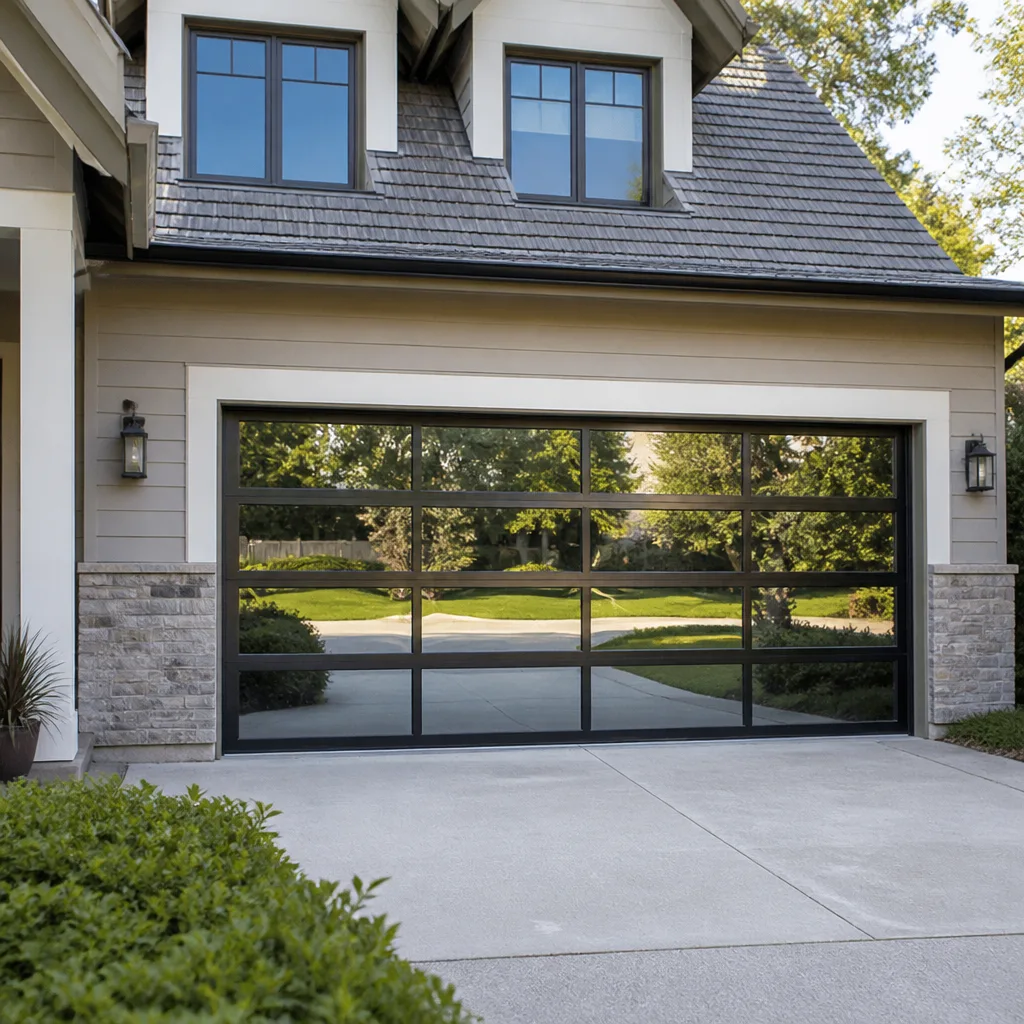 Full-view glass
 LiftMaster openers
 Chamberlain openers
Full 25-point door and opener safety check with every visit - springs, cables, rollers, tracks, and your LiftMaster or Chamberlain opener included
You get a price before we start. It does not change when the pro arrives.
Get your free estimateGarage Door Warning Signs: An Abilene Homeowner’s Reference Guide
A garage door that’s “a little slow” in the morning isn’t a minor quirk. It’s often the first readable sign of a spring that’s within weeks of failing. Most homeowners in Abilene find this out the hard way because the door gives one signal, then another, then another, and nobody told them what to watch for. This guide teaches you to read those signals before the door quits on a 105°F afternoon. You’ll learn which sounds are cosmetic and which are structural, which visual cues point to a specific failure mode, and how West Texas heat and dust push a door from “watch it” to “stop using it.”
Quick Answer
A failing garage door usually warns you with slow, uneven movement, grinding or popping sounds, visible spring gaps, frayed cables, or an opener that reverses or strains. In Abilene, heat and dust speed up spring fatigue and roller wear, so any of these signs means you should stop cycling the door and have it inspected before it fails fully. Catching these signals early is what separates a scheduled repair from a door that won’t open at all.
Styles & brands we work with
- Raised-panel steel
- Carriage house
- Modern flush
- Full-view glass
- LiftMaster openers
- Chamberlain openers
Table of Contents
- Sounds: Cosmetic vs. Structural
- Visual Cues on Springs, Cables, and Rollers
- How Abilene’s Heat and Dust Accelerate Wear
- Opener Behavior That Points to a Door Problem
- Severity Triage: Schedule vs. Stop Now
- The Spring-to-August Warning Curve
- What a Routine Warning-Sign Check Looks Like
- Common Mistakes to Avoid
Sounds: Cosmetic vs. Structural in an Abilene Garage
Every garage door makes noise. The trick is knowing which noise means “normal” and which means “stop.” We’ve stood in enough Abilene garages to know the difference is usually in rhythm and repetition, not volume. A one-time creak is noise. A creak that appears at the same point of travel every single time is a signal.
Cosmetic sounds are the ones that come and go and don’t follow a pattern. A faint pop on a cold morning when the door first moves. A low groan from an older door panel warming in the sun. These are usually normal settling and thermal movement, especially in homes where the garage takes direct afternoon sun. They’re worth watching but rarely mean the door is about to fail.
Structural sounds follow a predictable pattern. Here’s what to listen for:
- Grinding or scraping at the same point of every cycle points to worn rollers, a misaligned track, or dry hinges. Consistent grinding means metal is contacting metal where it shouldn’t.
- Loud pops or bangs, especially near the top of travel, can indicate a torsion spring losing tension or a cable about to slip its drum. This is not cosmetic.
- A rattling or shuddering as the door comes down suggests loose hardware or a panel starting to flex where a hinge is failing.
- A high-pitched squeal from the opener motor itself, as opposed to the door, usually means the opener is straining against a door that has become heavy.
In our experience, the sound that most often gets ignored in Abilene is consistent grinding. Homeowners hear it for weeks and assume it’s just an older door. By the time it’s addressed, the rollers and part of the track usually need replacing together. If you’re hearing grinding that repeats, that’s your cue to call garage door repair rather than wait it out. A trained technician can usually tell within minutes whether it’s a roller problem, a track issue, or something deeper.
Visual Cues on Springs, Cables, and Rollers
You can catch a spring, cable, or roller failure weeks before it happens if you know exactly where to look. But the check needs to be from the ground, with your eyes, not your hands. Never touch a torsion spring or cable to test it. Those parts are under extreme tension, and a sudden release can cause serious injury. This is one of the genuinely dangerous parts of the trade, and it’s why we flag visual inspection as a read-only exercise.
Here’s what a specific warning looks like on each component:
- Torsion spring gap. A healthy torsion spring is one continuous coil. A visible gap in the coil means the spring has already broken or is in the process of failing. If you see a gap, do not operate the door.
- Extension spring stretch. On older doors with extension springs, a spring that has stretched visibly longer than its partner on the other side is fatigued. Mismatched springs make the door uneven and put strain on the opener.
- Cable fraying. Look at the cables running along the sides of the door. Any frayed strands, a cable off its drum, or a slack cable means the door is at risk of coming down uncontrolled.
- Roller flat spots or wobble. Worn rollers show flat spots on the wheel edge or a visible wobble as the door moves. Steel rollers wear faster than nylon in dusty environments, and a single flat-spotted roller can throw off the whole door’s travel.
- Hinge separation. A hinge pulling away from the panel or a panel starting to bend near a hinge line points to the door working harder than it should.
If you’re in a home with an older Clopay or Wayne Dalton door, the panels are likely heavier than a newer build, which means roller and hinge wear shows up faster. When a visual cue is present, it’s usually safe to say which component is failing before anyone touches the door. That’s the value of a proper inspection: not “it’s broken,” but “the left torsion spring has a gap and the door shouldn’t be cycled until it’s addressed.”
How Abilene’s Heat and Dust Accelerate Wear
Abilene’s climate asks more of a garage door than most homeowners realize. Long hot summers, dry air, and blowing dust combine to wear springs, rollers, and opener components faster than they would in a milder climate. The result is a door that passed a spring inspection and shows critical wear by August, with no dramatic incident in between.
Heat is the primary force. Torsion springs are steel under tension, and repeated thermal cycling from cool mornings to triple-digit afternoons slowly fatigues the metal. Springs in Abilene tend to live shorter lives than springs in cooler climates, all else being equal. Rollers and hinges also suffer: lubricant thins and migrates at high temperatures, leaving moving parts drier than they should be. A door that squeaks in a cooler climate often grinds here by mid-summer.
Dust is the second force. West Texas dust settles on tracks, rollers, and the opener rail, then gets ground into the moving surfaces. It acts like a mild abrasive, accelerating wear on rollers and making tracks lose their smooth surface. Homeowners who park outside or have a porch facing a dusty road notice this faster.
What this means in practice:
- A door that checks out in April may show spring or roller wear by August, simply because the summer heat load has done its work.
- Lubrication intervals that work in other climates feel too far apart in Abilene. Hinges, rollers, and the opener rail benefit from more frequent attention here.
- Tracks need cleaning more often than you’d think, because dust buildup combined with heat can create a sticky film that makes the door drag.
We work with seasoned technicians who’ve spent up to 11 years learning how these local patterns play out. That experience is what lets us tell the difference between a door that’s mid-failure and one that just needs a clean and lube. If you’re on the fence after a check, a free estimate from our team is the fastest way to know whether the next step is a repair or a tune-up.
Opener Behavior That Points to a Door Problem
Not every opener problem is an opener problem. A surprising number of calls about LiftMaster, Chamberlain, or Genie openers turn out to be the door working harder than the opener can handle. The opener is often the messenger, not the culprit. That distinction matters because replacing a healthy opener doesn’t fix a worn door, and learning to spot the signs saves you from paying for the wrong repair.
Here’s how to tell the two apart:
- The door reverses immediately after starting to close. If the opener reverses on its own, the safety sensors may be blocked, but a strained door that binds mid-travel will also trigger a reversal. If your sensors are clean and aligned and the door still reverses, the door is the problem.
- The opener strains or hums but the door barely moves. This usually means the door has become heavy, a spring is fatigued, or a cable has slipped. A healthy door is balanced enough that the opener barely has to work.
- The door drifts down when you release it halfway. Manually lift the door halfway, let go, and watch. A balanced door stays roughly in place. A door that sags or drops is out of balance, and the opener is fighting it on every cycle.
- The opener runs but the door doesn’t move at all. This can be a stripped gear in the opener, a broken spring, or a disengaged trolley. Diagnosis matters before anyone replaces anything.
The safety warning here is real: if the door is unbalanced enough to drop on its own, don’t stand under it while testing. And if the opener runs but the door is stuck, resist the urge to cycle it repeatedly, because a strained motor overheats and a heavy door can slam. Our garage door opener repair service exists for exactly this reason: to separate opener issues from door issues with the right tools, not guesses. Being certified to work on a wide range of major brands means the diagnosis starts from familiarity, not from a trial-and-error approach.
Severity Triage: Schedule vs. Stop Using the Door
Not every warning sign means the same urgency. We group them into three levels so homeowners know exactly what to do in the moment. The most important rule: if a sign can lead to a door dropping or a spring releasing, stop using the door and call. Everything else can be scheduled.
Level 1: Stop using the door now, call immediately.
- A visible gap in a torsion spring coil.
- A frayed cable, a slack cable, or a cable off its drum.
- A banging or popping sound combined with a door that feels unbalanced or drops on its own.
- Any sign that a panel is separating from the door body near a hinge line.
Level 2: Schedule service this week.
- Consistent grinding at the same point of travel.
- A door that reverses on close despite clean, aligned safety sensors.
- The opener straining or humming without moving the door smoothly.
- Rollers with visible flat spots or a door that shudders during travel.
Level 3: Watch and address at the next tune-up.
- Occasional squeaks that don’t follow a pattern.
- A slow change in how loud the opener sounds.
- Light dust buildup on tracks that a clean and re-lube will resolve.
Anything at Level 1 or 2 is worth a call to (844) 834-4604. We answer 24/7, and fast dispatch from 7am to 7pm, Sunday through Friday, gets a technician out to confirm the diagnosis. The written estimate is agreed before any work starts, so you know the scope and price before anyone picks up a tool.
The Spring-to-August Warning Curve in Abilene
One of the most useful things a homeowner can understand about Abilene is the seasonal curve. A garage door doesn’t wear at a steady rate here. The heat load of a West Texas summer accelerates wear in a specific way, and knowing the arc helps you check at the right times.
The pattern we see:
- Early spring. Doors come out of a mild winter feeling fine. Springs are at their best, rollers are fairly clean, and the opener is quiet. A check in March or April usually finds only minor items.
- Late spring to early summer. The first heat waves begin. Lubricant thins, and dust blows in ahead of summer storms. The door starts to sound different. Small squeaks appear, and the opener may audibly strain on the first few cycles of the day.
- Mid-summer. This is when cosmetic sounds often turn structural. Springs that were fatigued in spring but still working begin to show their age. Rollers with flat spots that were minor in April now rub the track. Doors that squeaked in spring grind in August.
- Late summer to early fall. This is the window where most homeowners notice something’s wrong, often after a door has failed. We see a surge of calls in August and September, especially on older doors or doors on homes where the garage faces the afternoon sun.
The takeaway is simple: the check you do matters most in late spring and midsummer. A door that passed in April isn’t a door that’s fine in August. If you own an older or heavier door, especially a LiftMaster or Chamberlain-opened model that’s been running without attention, one inspection before the worst heat arrives can save you a full replacement. What we look for is the trend across the components, not one isolated symptom.
What a Routine Warning-Sign Check Looks Like
A five-minute check from the ground, done once a month during hot weather, catches most failures early. You don’t need tools. You need to know what to look at and what to leave alone. Here’s the routine we recommend to homeowners across Abilene, from homes near the mall corridor to older properties closer to downtown.
- Listen before you look. Stand back and cycle the door once with the opener. Note any sound that repeats at the same point of travel, any grinding, any pop near the top.
- Watch the panels. Look at the door as it travels up and down. Do the panels stay level, or does one corner lag? A panel that lags points to a hinge or spring issue.
- Look at the springs visually. From the ground, look for a gap in the torsion spring coil above the door. This is read-only; never touch the spring.
- Look at the cables. Check for fraying, slack, or a cable off the drum. If any cable is loose, stop using the door.
- Check the rollers at the sides. Wobble, flat spots, or a roller visibly off its track means it’s time for service.
- Test balance. With the opener disengaged and the door down, lift the door halfway by hand and let go. It should stay roughly in place. If it drops or rises on its own, it’s out of balance.
- Check the safety sensors. Clear dust off the sensor lenses at the bottom of each track. In a dusty Abilene garage, the lenses get coated faster than you’d expect.
- Have the opener diagnostics checked at the next service. A technician can read opener fault codes and confirm whether the motor is healthy, especially on Genie and LiftMaster units where a code points directly to a specific problem.
Log what you see. A note on the calendar each month makes the trend visible, and a technician can use that log to spot a component that’s been degrading for a while. The value isn’t catching a problem on the day it happens. It’s seeing the curve before it reaches the cliff.
Common Mistakes to Avoid
Most of the costly mistakes we see are about misreading a signal or putting off a check that should have happened months earlier. Here are the ones that come up most often in Abilene, with the fixes that actually work.
- Treating grinding as “just an old door.” Consistent grinding is one of the clearest signs of a specific failure in progress. Waiting it out usually means the fix grows to include rollers and part of the track, not just one part.
- Assuming a slow door is a weather problem. Abilene summers are hot, but heat doesn’t make a healthy door lag. If the door slows from one month to the next, the door is telling you something.
- Replacing the opener when the door is the problem. We see this often with Genie and Chamberlain openers. If the door is heavy or out of balance, a new motor strains too and fails early. Diagnose the door first.
- Doing a visual check in April and skipping summer. The spring-to-August curve means a passing check in spring doesn’t hold in midsummer. Check again in late June and August.
- Lubricating the wrong parts. Grease on a track or a torsion spring causes problems; the right places are hinges, rollers, and the opener rail. Ask a technician which parts to lube on your specific door.
- Using the door after a spring gap or a loose cable. This is the failure mode that causes real danger. Stop the door and call a professional.
- Ignoring a panel that looks off. A panel separating at a hinge line rarely fixes itself. A quick inspection confirms whether the fix is small now or bigger later.
Being a brand-neutral shop means we don’t steer homeowners toward a new product when a repair makes sense. Whether your door is a Clopay, an Amarr, or something else, the conversation starts with what your equipment actually needs. That’s why we tell people: repair or replace, we’ll tell you which one actually makes sense.
See the difference
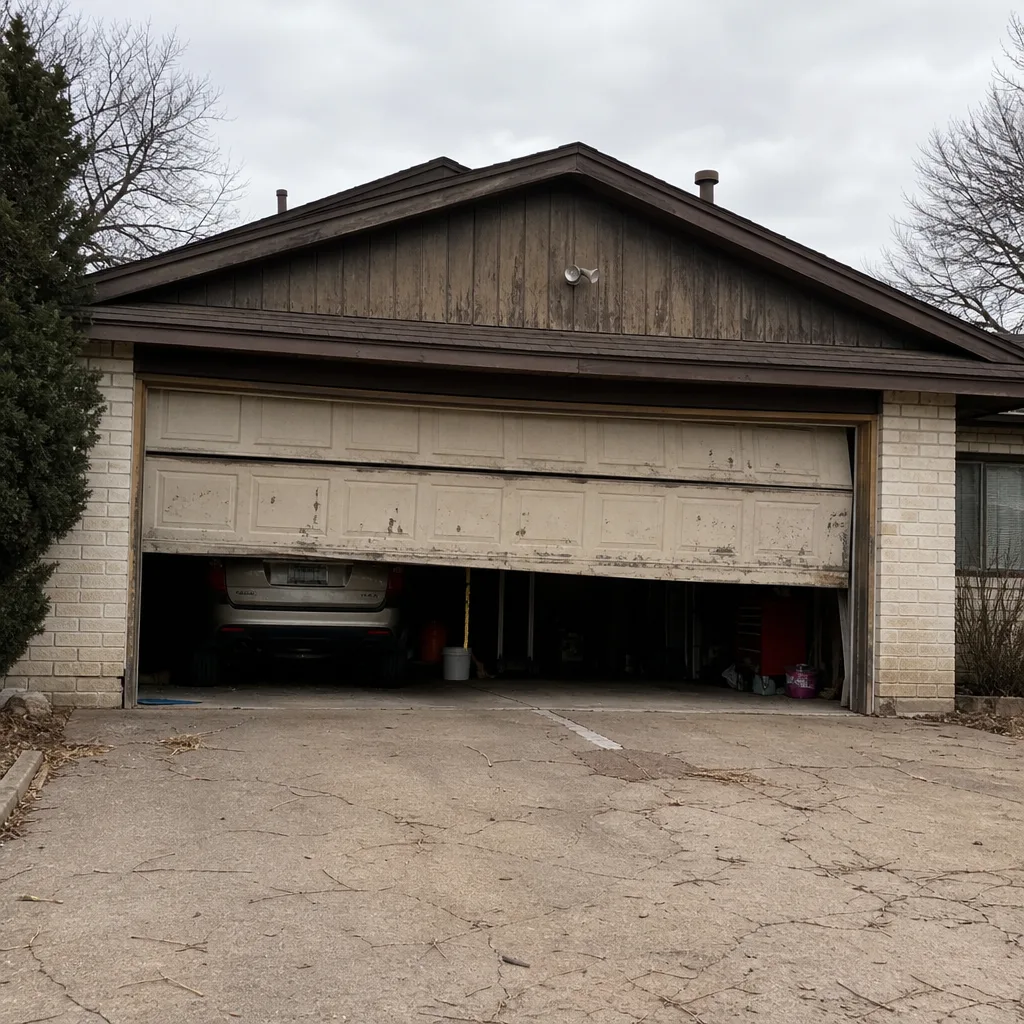 Before
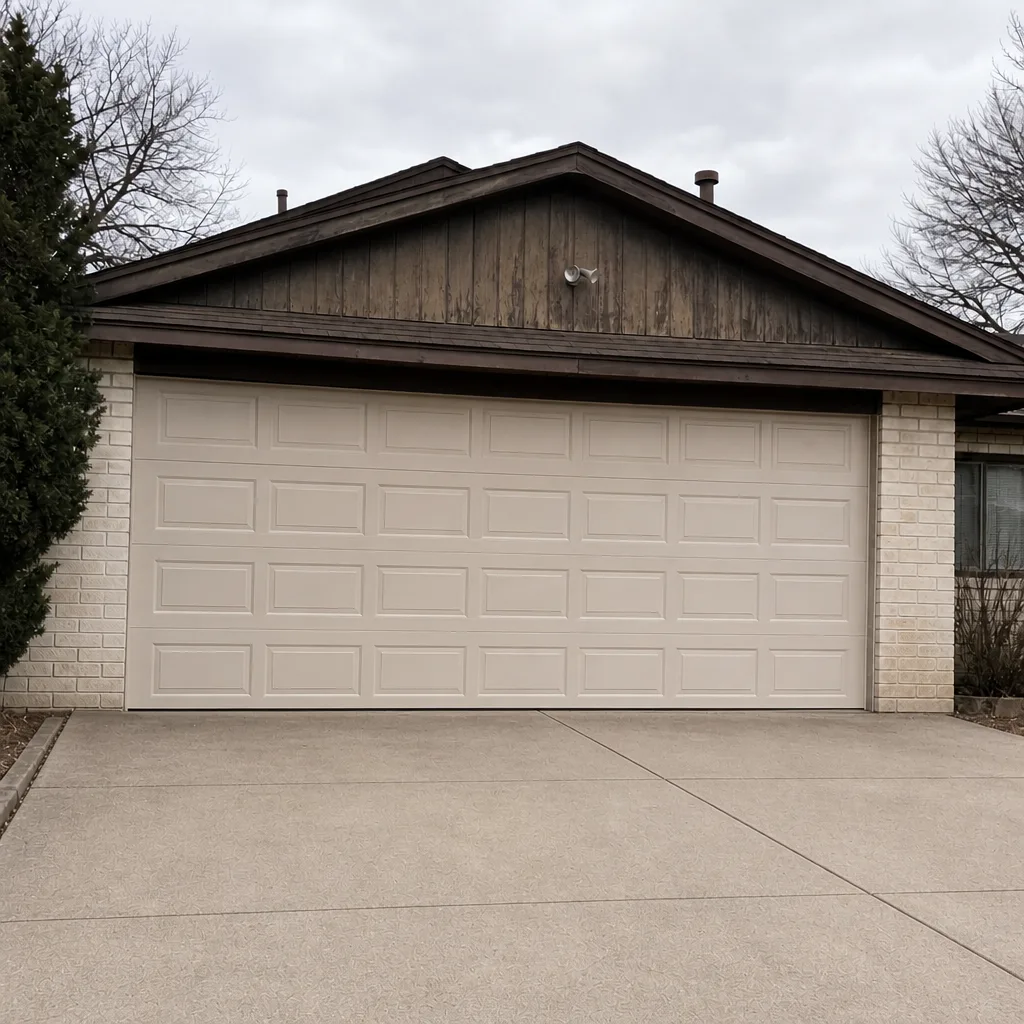 After
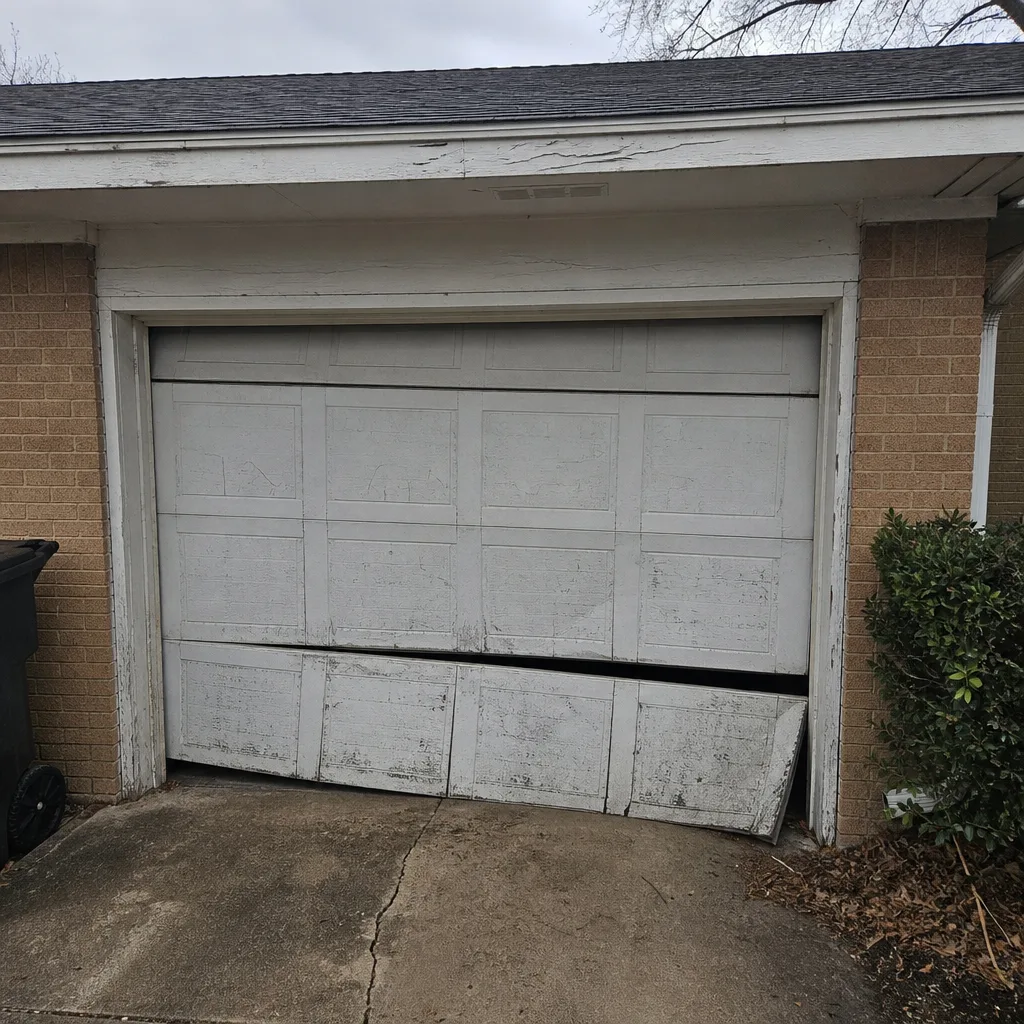 Before
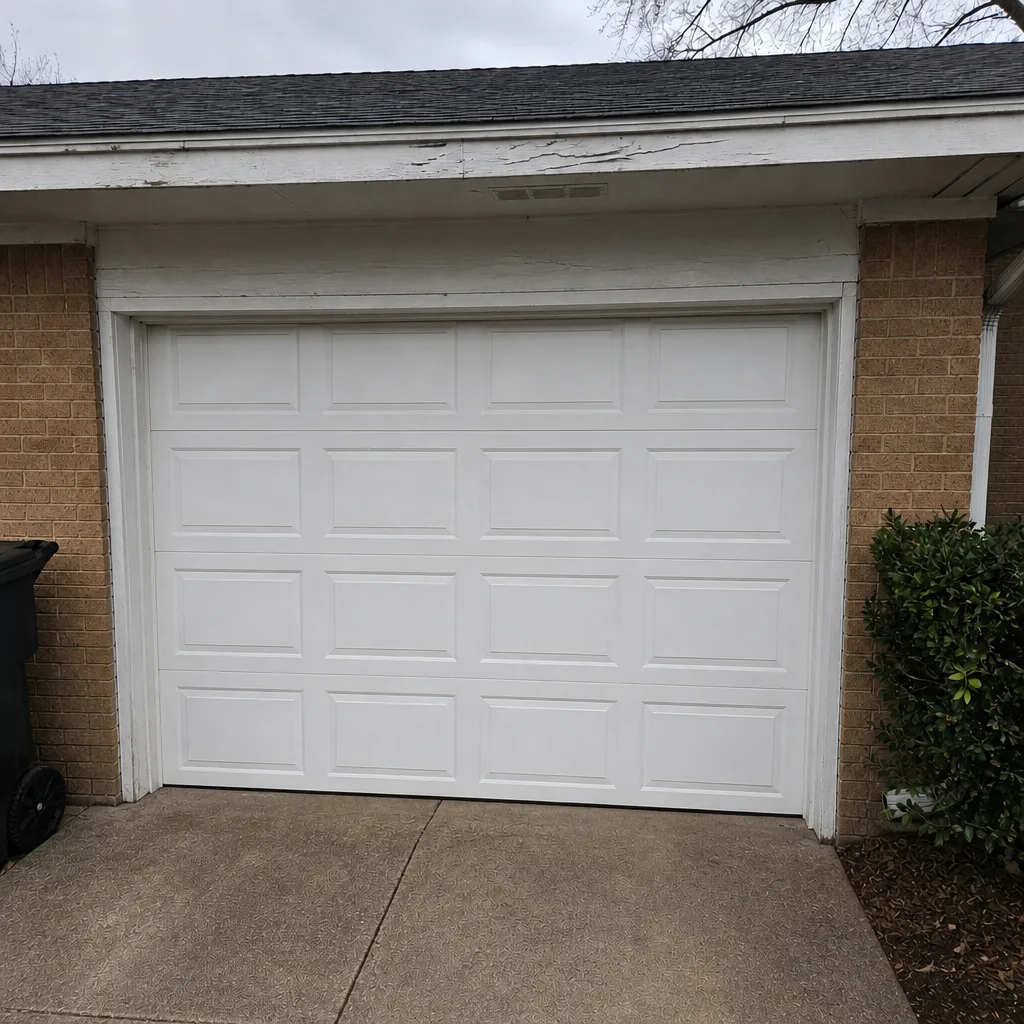 After
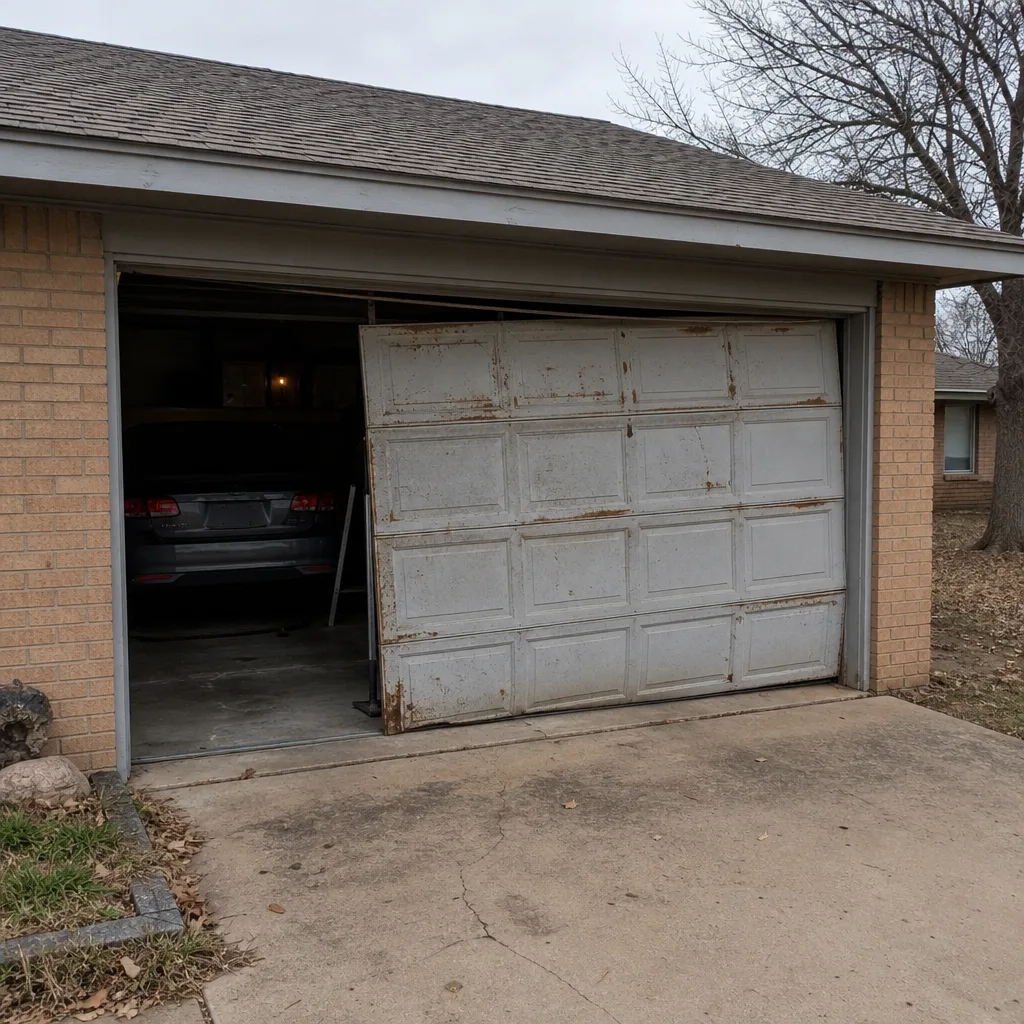 Before
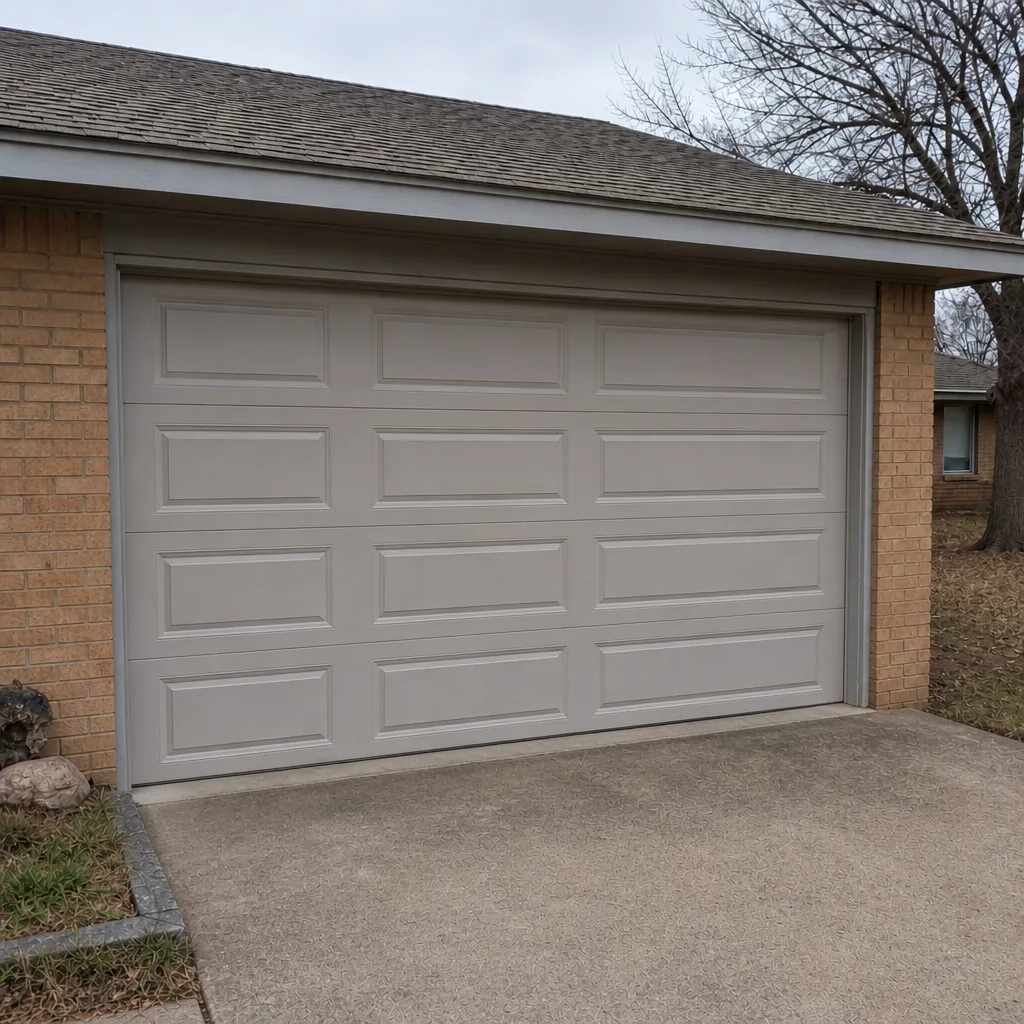 After
When to Call a Professional
A call to a professional is warranted any time a warning sign points to a component under extreme tension. Broken springs, frayed or slack cables, a door that drops on its own, a hinge or panel separating, an opener that reverses despite clear sensors, or any visible gap in a torsion spring is a stop-and-call situation. Even the “just watching” category benefits from an inspection every few months in Abilene, because the heat and dust curve moves faster here than homeowners expect. Burgess Garage Door Repair offers free estimates in Abilene, and technicians with up to 11 years of experience. Call (844) 834-4604. We answer 24/7, with fast dispatch from 7am to 7pm, Sunday through Friday. The written estimate is agreed before any work starts, so you’ll know the scope and the price before the job begins.
Frequently Asked Questions
The most common warning signs in Abilene are slow or uneven door travel, grinding that repeats at the same point of travel, a visible gap in a torsion spring, frayed or slack cables, and an opener that strains or reverses despite clean sensors. Heat and dust here accelerate spring and roller wear, so these signs often appear sooner than homeowners expect. If you see a spring gap or a loose cable, stop using the door and call (844) 834-4604. The written estimate is free and agreed before any work starts.
A cosmetic sound is one that comes and goes and doesn’t follow a pattern, like a one-time creak on a cool morning. A structural sound repeats at the same point of travel every cycle, or is a loud pop, bang, or consistent grind. If the sound is consistent and patterned, it points to a specific component failing and deserves a professional look. We’ve seen grinding that homeowners assumed was cosmetic turn into a roller-and-track job, so a free estimate is the safer call.
Yes. A visible gap in a torsion spring coil means the spring has already failed or is failing, and the door can drop or slam under the remaining tension. Don’t cycle the door or try to inspect the spring further by hand. Call a professional immediately. Our technicians can confirm the failure and give a written estimate before any repair begins.
Abilene’s long hot summers and blowing dust combine to wear springs, rollers, and opener components faster than in cooler climates. Heat fatigues torsion springs and thins lubricant, while dust grinds into tracks and rollers. The result is that a door which passed an inspection in spring can show critical wear by August. We recommend a check in late June and again in August to catch the curve before it fails.
Yes. A heavy, out-of-balance, or binding door makes the opener work harder on every cycle, which can overheat the motor or wear the drive gear prematurely. If your LiftMaster, Chamberlain, or Genie opener is straining, humming, or reversing, the door itself is often the real cause. We can diagnose the opener and the door in one visit and tell you which repair actually solves the problem.
You can handle a monthly visual check yourself as long as it stays visual: listen for repeating sounds, look at springs and cables from the ground, and check rollers for wobble. Leave anything that involves touching a spring, cable, or the opener’s internal parts to a technician. For a full inspection and a written estimate on any concerning sign, call (844) 834-4604. The written estimate sets the final price before any work begins.
The Bottom Line
Garage door failures rarely arrive without warning. In Abilene, the warning signs are specific: grinding that repeats at the same point of travel, a visible spring gap, frayed cables, a door that reverses on close, an opener straining against a heavy door. Read those signs early and most failures become a scheduled repair instead of a surprise. Read them late and the same problem can grow into a replacement. Our challenge to every homeowner in Abilene is simple: do the five-minute monthly check, write down what you see, and call on the first structural sign. The written estimate is free, agreed before any work starts, and sets the final price. If a spring, a cable, or a hinge has gone wrong, don’t cycle the door. Call us for a free estimate at (844) 834-4604, and we’ll tell you what your door needs, whether that’s a repair or a replacement. For the full picture of our services, visit Burgess Garage Door Repair, or find more about our service area at Abilene.
Written by the team at Burgess Garage Door Repair.