
Last updated November 15, 2026
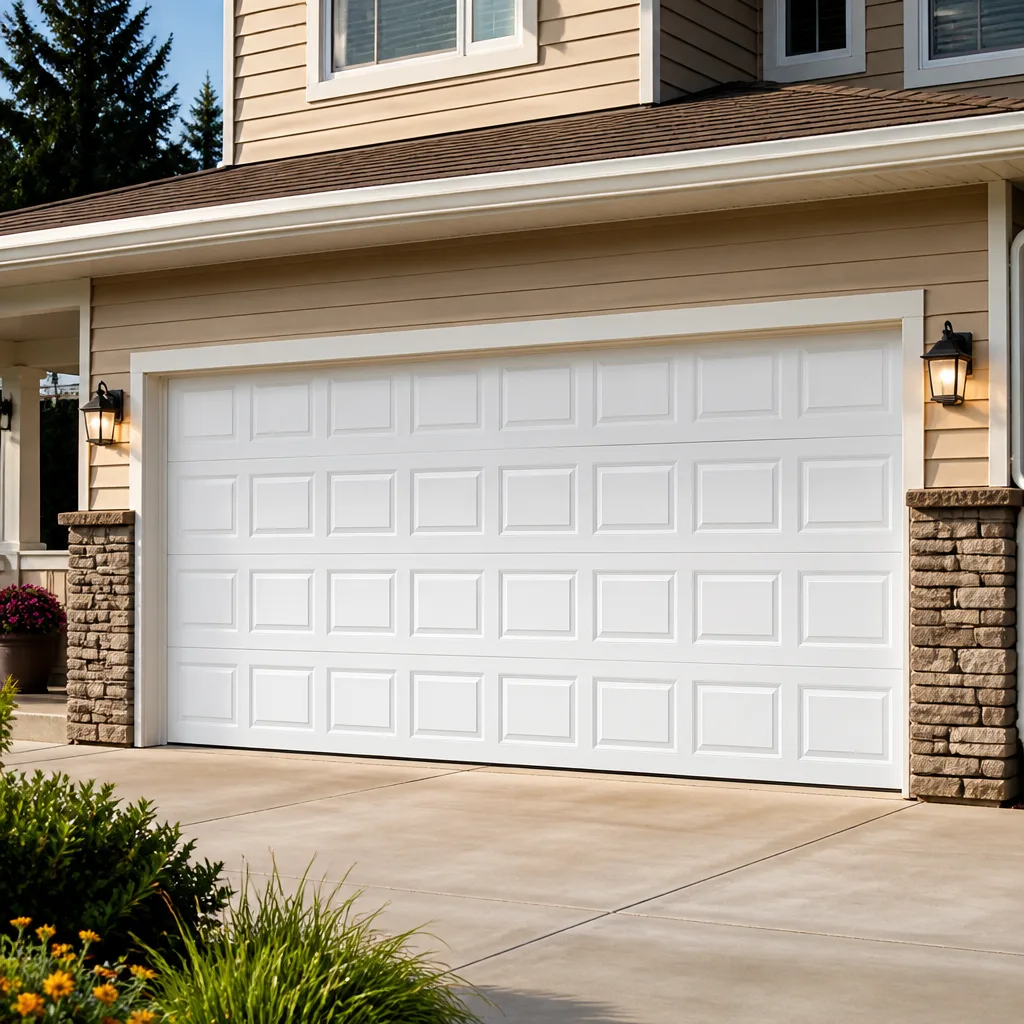 Raised-panel steel
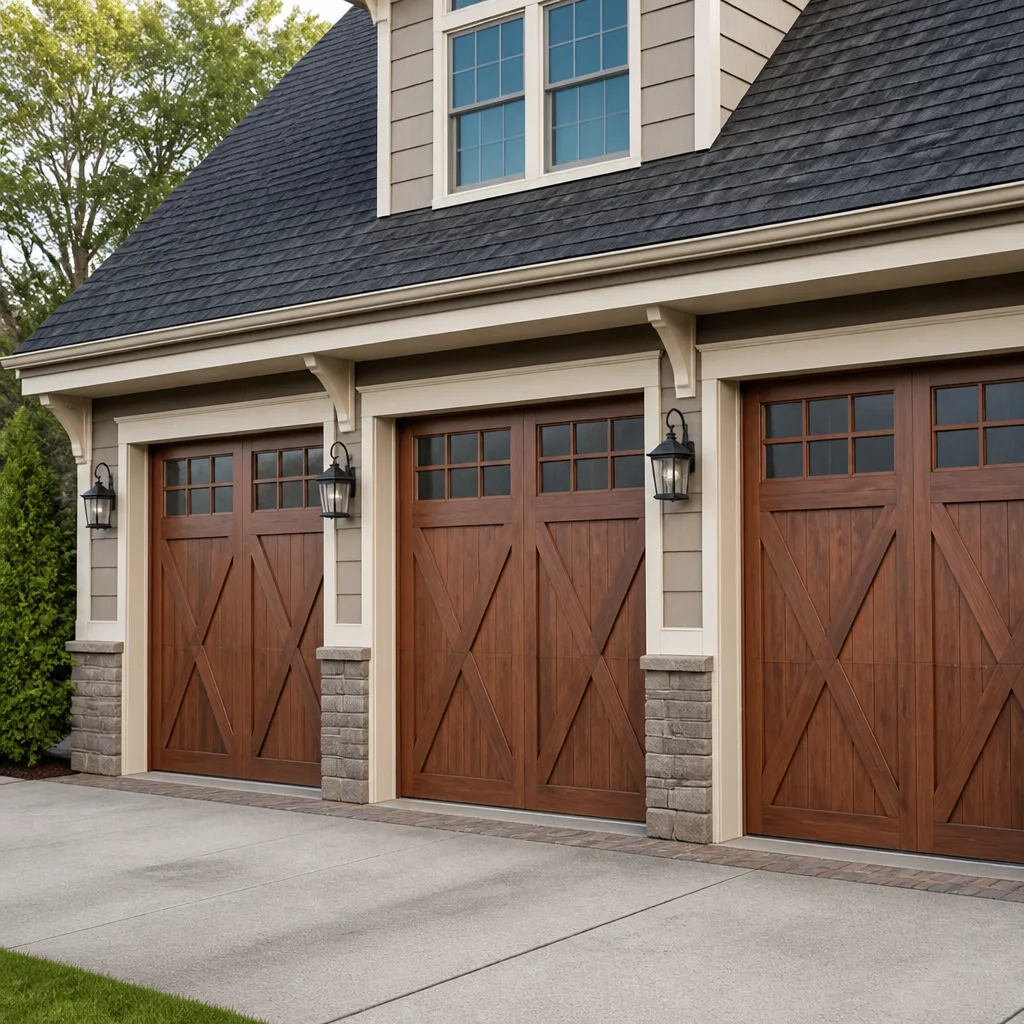 Carriage house
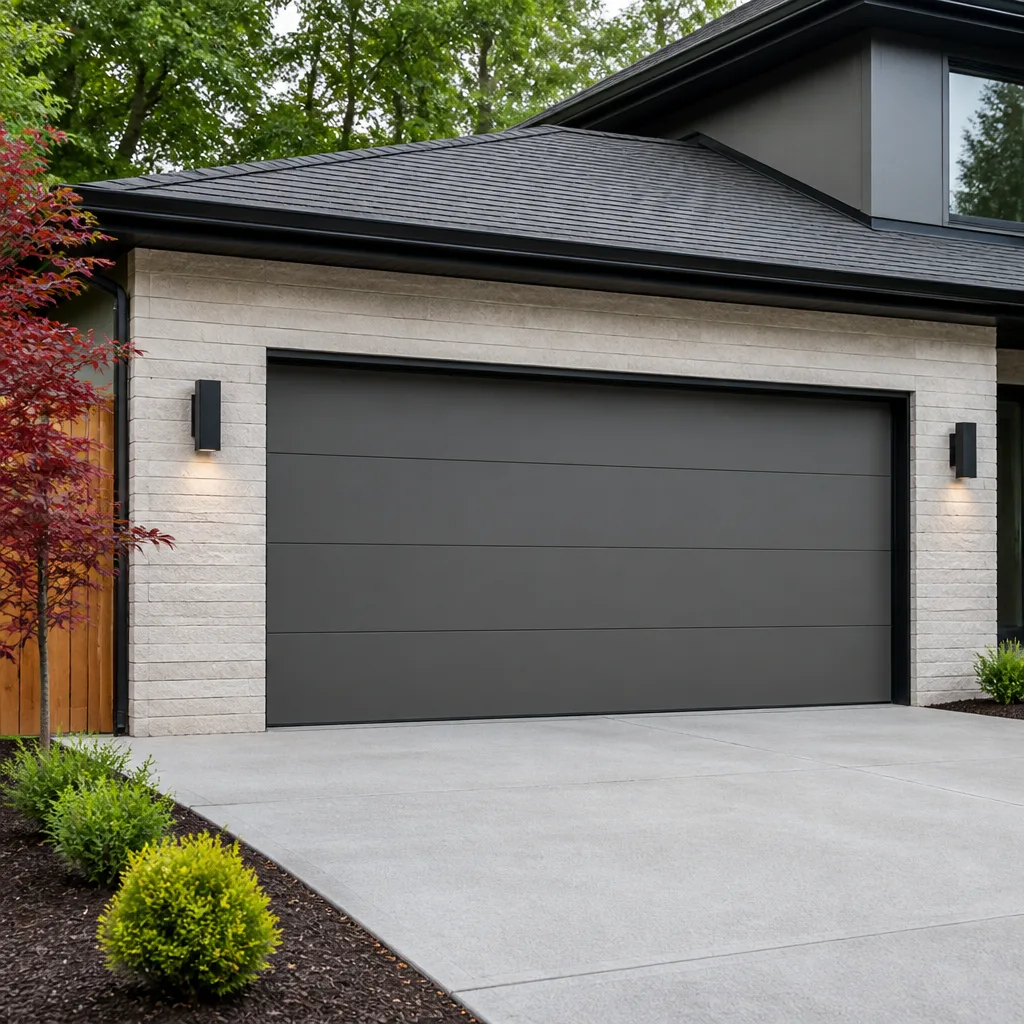 Modern flush
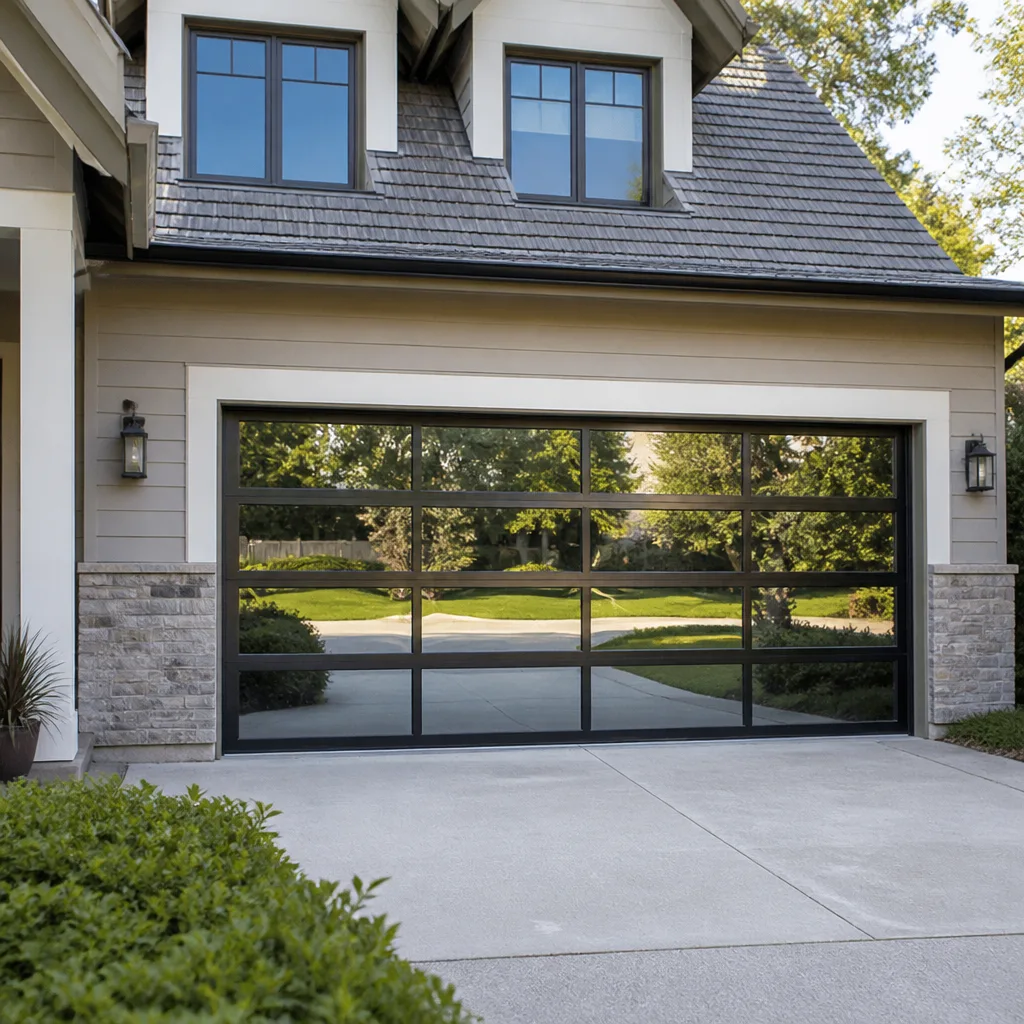 Full-view glass
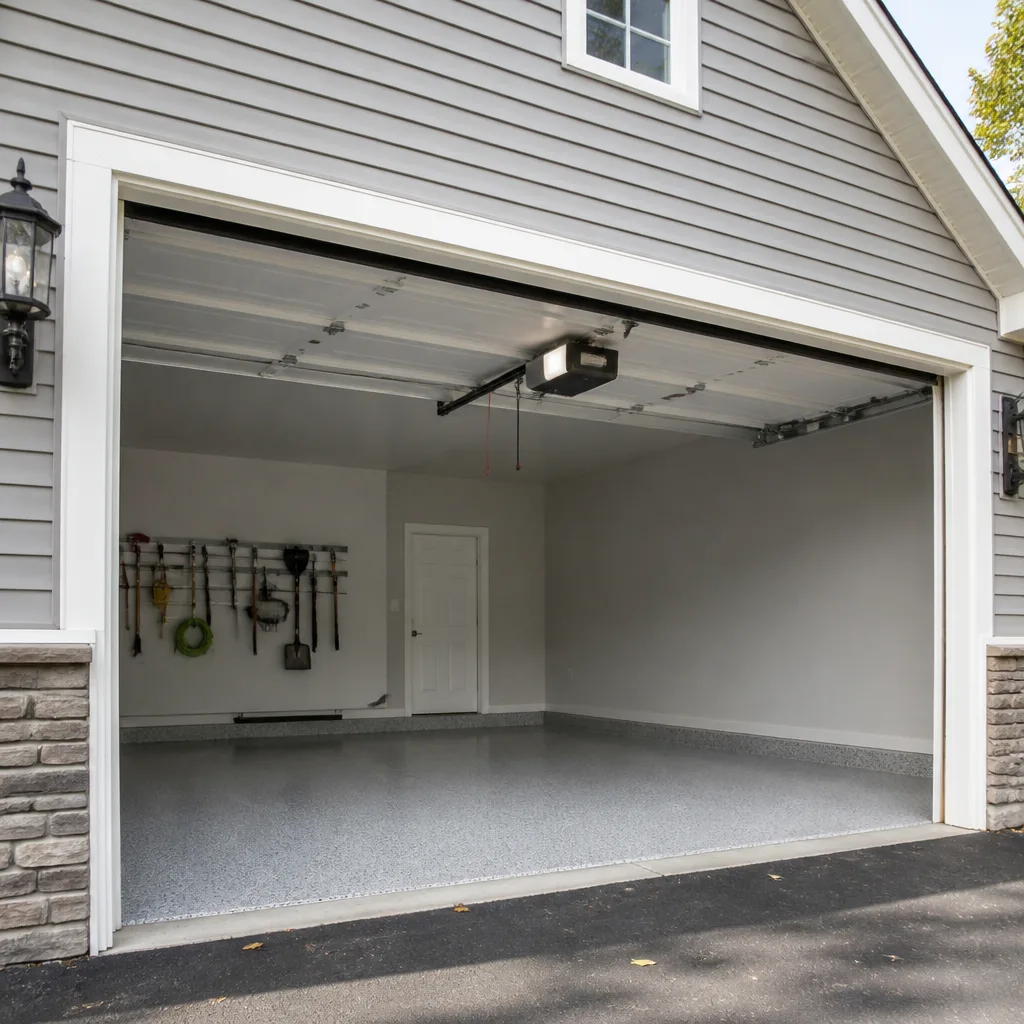 LiftMaster openers
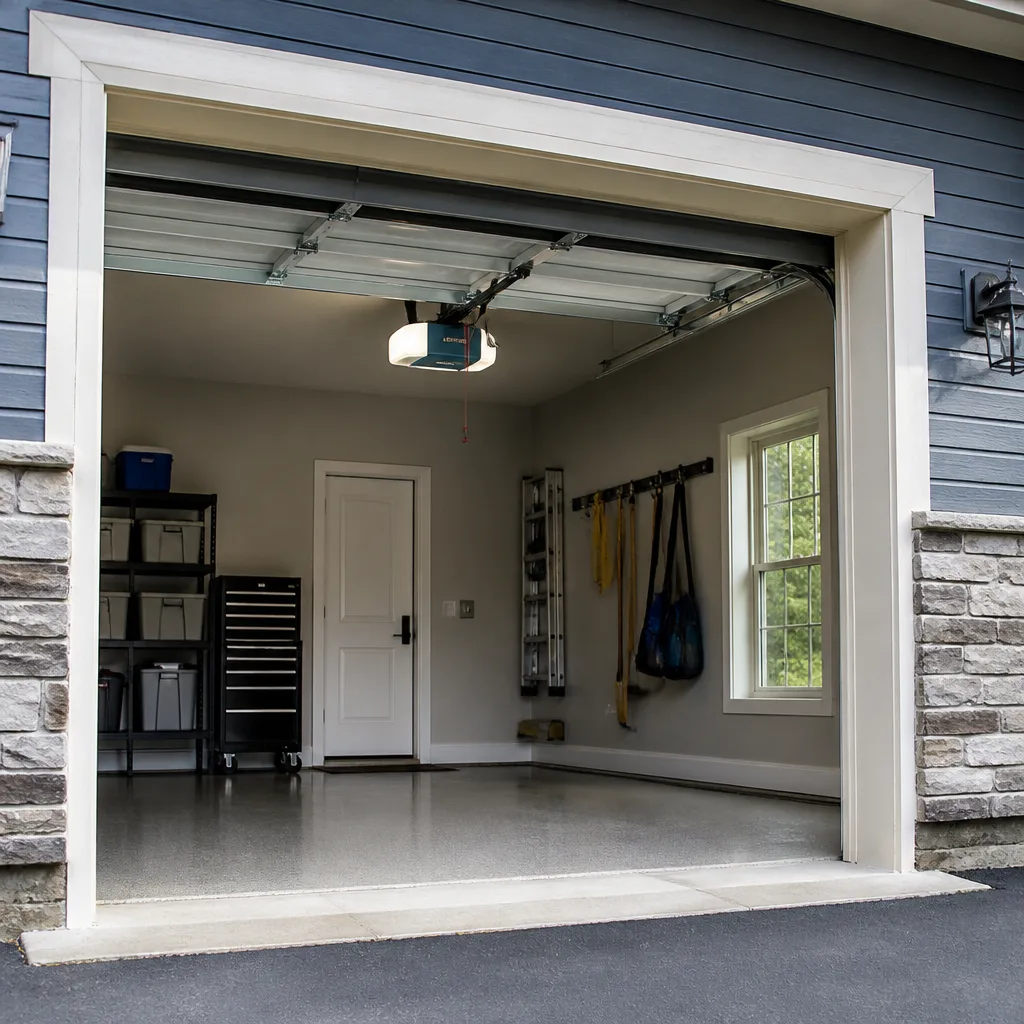 Chamberlain openers
Full 25-point door and opener safety check with every visit - springs, cables, rollers, tracks, and your LiftMaster or Chamberlain opener included
You get a price before we start. It does not change when the pro arrives.
Get your free estimateDIY vs Professional Garage Door: The Abilene Homeowner’s Decision Guide
Most garage door advice online treats every repair as a skill test. Are you handy enough? Do you own the right tools? That framing misses the real question. A torsion spring holds hundreds of pounds of torque, and one wrong turn on the winding bars can put a homeowner in the emergency room. The decision isn’t about whether you’re capable. It’s about which specific tasks carry injury risk, warranty consequences, or code implications, and which tasks are genuinely safe to handle yourself. This guide separates the two with a task-by-task breakdown, a real cost comparison for opener work, and the Texas rules that trip up do-it-yourselfers in Abilene.
Quick Answer
In Abilene, most garage door repairs are worth hiring out, but not for the reason people assume. It’s not that the work is too complicated to learn; it’s that springs, cables, and torsion hardware store lethal energy, and a mistake can cost far more than the repair. Safe DIY work is limited to cleaning, lubricating, and visual inspections. Opener replacement, spring work, cable replacement, and panel swaps belong with a licensed professional who knows your brand and can quote the price before touching anything.
Styles & brands we work with
- Raised-panel steel
- Carriage house
- Modern flush
- Full-view glass
- LiftMaster openers
- Chamberlain openers
Table of Contents
- Sorting Garage Door Tasks: DIY-Safe, DIY-Risky, and Professional-Only
- Why Springs and Cables Are Never a DIY Job
- Warranty Implications of DIY Work on Texas-Sold Brands
- DIY Opener Installation vs. Professional: A Real Cost Comparison
- Permits and Code in Abilene: When DIY Work Triggers an Inspection
- The Middle Path: How to Prep and Assist to Reduce Labor Cost
- What Abilene Heat and Dust Do to Your Door
- Brand-Specific Familiarity and Why It Matters
Sorting Garage Door Tasks: DIY-Safe, DIY-Risky, and Professional-Only
The cleanest way to make this decision is to sort every common garage door task into three buckets. The first bucket is safe for a careful homeowner with a ladder. The second is tempting but carries real risk. The third has no business being DIY.
DIY-Safe Tasks
These tasks use no tensioned hardware and require no disassembly of springs, cables, or the opener drive. A homeowner with basic tools can do them without voiding a warranty or creating a safety hazard.
- Lubricating hinges, rollers, and tracks with a garage-door-specific lubricant
- Cleaning photo-eye lenses and confirming the safety reverse works
- Wiping down panels and touching up scratches before rust sets in
- Clearing debris and dirt from the track channels
- Tightening exposed bracket bolts that have worked loose
- Testing the balance of the door by hand with the opener disengaged
- Replacing the opener remote battery or re-pairing a remote to the motor
DIY-Risky Tasks
These tasks look manageable on video and turn dangerous in a garage. The hardware involved is under tension, and a slip has consequences.
- Adjusting the opener’s travel limits or force settings without the manual
- Replacing photo-eye sensors or safety reverse wiring
- Replacing a bent roller without relieving spring tension first
- Straightening a bent track by hand
- Replacing bottom weather seal on a door with a bottom bracket under cable tension
- Replacing the opener logic board or capacitor on a live motor
Professional-Only Tasks
These tasks involve stored mechanical energy that can maim or kill. A trained technician uses winding bars and a controlled procedure; a homeowner with a socket set does not have that margin.
- Torsion spring replacement or adjustment
- Extension spring replacement
- Cable replacement or re-spooling
- Drum and bearing plate work
- Panel replacement on a tensioned door
- Full door replacement or new installation
- Anything requiring the door to be lifted off its tracks
If a task lands in the third bucket, the decision is already made. In our experience across Abilene, the jobs that go wrong for homeowners are almost always the ones that started as “just a quick adjustment.”
Why Springs and Cables Are Never a DIY Job
A torsion spring on a standard residential door stores enough energy to lift several hundred pounds. When it’s wound, that energy is waiting. The moment the set screws loosen or the winding bar slips, the energy releases in an instant, and the bar becomes a projectile. This is not a scare tactic. It’s the mechanical reality of how a counterbalance system works.
Here’s what makes torsion work different from other garage door tasks:
- You can’t test it safely. There’s no way to practice winding a spring. The first attempt is the real one, and a mistake doesn’t just fail; it fails violently.
- The right tools matter. Winding bars are sized to the spring and the door weight. A screwdriver or a piece of rebar is what people reach for, and it’s what causes injuries.
- The spring is matched to the door. A replacement spring has to match the wire gauge, inside diameter, and length of the original. Guess wrong and the door is either too heavy to lift or under-supported, which stresses the opener and the cables.
- Cables carry the same risk. A snapped cable whips. If it’s under tension when it lets go, it can cut through a hand or arm.
If your door won’t stay up, slams down, or makes a loud bang from above, those are spring failure signals. Stop using the door. Call a professional and keep everyone clear of the garage until it’s fixed. The garage door repair team can assess the spring and cable system without putting your household at risk.
Warranty Implications of DIY Work on Texas-Sold Brands
Most major garage door and opener manufacturers sell their products through local dealers, and the warranty terms generally assume professional installation. That matters in Abilene, where LiftMaster, Wayne Dalton, and Craftsman equipment is common on residential doors. If a homeowner installs the unit themselves and it fails, the manufacturer’s first question is who did the installation.
The warranty picture breaks down roughly like this:
- Opener warranties on brands like LiftMaster often require professional installation for the full term to apply. Self-installation can shorten or void coverage depending on the model and the dealer terms.
- Door warranties on Wayne Dalton and similar products typically cover panels and finish, but the terms assume the door was hung and adjusted by a trained installer. A misaligned door that cracks a panel may not qualify.
- Labor warranties only come from the installer. If you install it yourself, there’s no labor coverage for the callback when something is off.
- Spring warranties are frequently tied to professional replacement. A spring that fails early after a DIY install is hard to claim.
The practical takeaway is simpler than the fine print: if the equipment is under warranty and something goes wrong, DIY work can turn a covered repair into an out-of-pocket one. A trained technician who works on your specific brand keeps that coverage intact. It’s one reason we work on eight major brands, including LiftMaster, Wayne Dalton, and Raynor, so the warranty terms on the equipment you already own stay in play.
DIY Opener Installation vs. Professional: A Real Cost Comparison
The opener is the one task where DIY cost math looks tempting. The unit price is visible, the YouTube video is free, and the savings seem obvious. What that math misses is the tool investment, the time, and the callback risk.
What DIY Opener Installation Actually Takes
A belt-drive or chain-drive opener install runs a homeowner through a sequence that looks easy in the manual and isn’t:
- Removing the old unit and safely supporting the door while it’s disconnected
- Installing the new rail and header bracket at the correct height
- Hanging the motor from the ceiling joists
- Balancing the door so the opener isn’t fighting excess weight
- Setting the travel limits and force settings correctly
- Aligning the safety photo-eye sensors in line with each other
- Testing the safety reverse and the force reversal by hand
- Pairing remotes and the wall control
Most homeowners doing this for the first time are looking at a full day with a helper, a ladder, a socket set, and a drill. That’s time off work or a weekend gone. If the door isn’t balanced or the force setting is wrong, the opener will trip or fail within weeks, and the “savings” turns into a second install or a service call.
What It Costs in Abilene Terms
Pricing in the Abilene market for opener replacement varies by unit type, horsepower, and whether the old rail has to be swapped. What we can say is that a professional install comes with the written quote covering the unit, the labor, and the disposal of the old unit, and that quote is agreed before work starts. There’s no surprise line on the invoice. The homeowner who compares DIY time and tool costs against the quoted number is usually comparing against the wrong thing. The real comparison is against the cost of a callback and a second install, which DIY doesn’t cover.
If your current opener is failing, the garage door opener repair path is often cheaper than replacement. You’ll want a technician to tell you which one actually makes sense, and that conversation is free.
Permits and Code in Abilene: When DIY Work Triggers an Inspection
Permit rules for residential garage door work vary by jurisdiction and by the scope of the job. In most Texas cities, a like-for-like repair that doesn’t change the structural opening or the electrical circuit doesn’t require a permit. A new installation, a door size change, or work that involves new electrical wiring often does.
Where this catches homeowners is on the back end. If a permit is pulled and an inspection is required, the inspector will check the door’s safety reverse, the auto-reverse force setting, the photo-eye alignment, and the structural attachment of the door to the framing. A DIY install that wasn’t set up to standard can fail that inspection. Fixing it means hiring a professional to redo the work, then paying for a re-inspection.
The safe move before any new door or opener installation in Abilene is to ask the city’s building department whether your specific job needs a permit. They will tell you directly. If it does, plan for the inspection to require professional-grade setup on the safety features. That’s not a cost you can avoid by being handy.
The Middle Path: How to Prep and Assist to Reduce Labor Cost
There’s a middle path between full DIY and paying a pro to do everything. A homeowner who preps the space and handles the tasks in the DIY-safe bucket above can reduce the labor side of the bill without crossing into unsafe territory. This is the approach we recommend for anyone in Abilene who wants to keep costs down without creating a hazard.
How to Prep Before the Technician Arrives
- Clear the garage floor and the perimeter. A clean work area means the technician can move a ladder and set up without shuffling boxes.
- Clear the ceiling area above the door. The technician needs headroom to hang or service the opener, and stored items in the way add time.
- Test the door by hand with the opener disengaged. This tells the technician at the door whether the issue is the door or the motor.
- Note the brand and model printed on the motor. If you own a Craftsman, Wayne Dalton, or LiftMaster opener, the model number lets us arrive already familiar with the system.
- Write down the symptoms. Does the door stop halfway? Reverse immediately after closing? Make a grinding sound at the top? Specific symptoms shorten diagnosis time.
- Know which remotes and keypads need re-pairing so we can handle that in the same visit.
What You Should Never Prep
Don’t loosen spring set screws, don’t disconnect cables, and don’t try to “hold” the door in a position for the technician. A technician who arrives to find a partially disassembled door has to spend the first part of the visit making it safe. That adds time, not savings.
What Abilene Heat and Dust Do to Your Door
West Texas weather is hard on garage doors in specific, predictable ways. The dry heat and the dust that rides on the wind work on different parts of the system than humidity does elsewhere. Knowing what fails here helps you decide when a repair is overdue and when you can wait.
- Lubrication dries out faster. Heat and dust pull the lubricant off rollers and hinges faster than in cooler climates, which means more frequent lubrication is worth doing yourself rather than paying for.
- Weather seal degrades in the sun. The bottom rubber seal on a south- or west-facing door takes direct UV and gets brittle. That’s a DIY-safe replacement in most cases.
- Wood doors move. A wood door that’s fine in the spring can tighten or shrink with seasonal swings, which can jam hinges or throw panels off alignment. That’s a professional diagnostic, not a homeowner fix.
- Dust settles in the track. Grit in the rollers accelerates wear. A quarterly wipe-down of the track extends roller life.
- Springs don’t last forever, no matter what the climate. Abilene springs fail at the same cycle counts as springs anywhere. When one lets go, the door stops being safe to use.
If you’re not sure which of these applies to your door, a quick visual inspection catches most of them. If something looks wrong beyond a worn seal or a dirty track, that’s a professional call.
Brand-Specific Familiarity and Why It Matters
Garage doors and openers look similar from the driveway. Under the housing, they’re not. Each brand uses its own logic board layout, its own travel-limit adjustment, its own remote frequency, and its own safety reverse setup. A technician who’s never worked on a Raynor opener can figure it out, but the visit takes longer and the risk of a wrong adjustment goes up.
This is the reason brand coverage matters for the DIY versus professional decision. A homeowner who calls a general handyman or a brand-locked dealer has two outcomes: the technician who shows up is guessing, or the technician who shows up tells you they can’t work on the brand you own. Neither helps.
We work on your brand rather than steering you toward a specific product line. Our technicians have up to 11 years of experience across the eight major brands, and because we also install doors and openers, the repair diagnosis runs deeper than swapping parts. Built to know it before we touch it. That’s what turns a fix into a fix that holds.
Common Mistakes to Avoid
- Winding a torsion spring with the wrong tool. Socket extensions, screwdrivers, and rebar are what cause most spring injuries. Winding bars exist for a reason. Never substitute.
- Ignoring a loud bang from above. A snap that comes from the spring area usually means a spring has failed. Keep using the door and you stress the opener and cables until you’re looking at a much larger repair.
- Self-installing an opener on a door that’s out of balance. The opener isn’t designed to lift a door that’s heavy or binding. An unbalanced door burns out a new unit quickly. Fix the door first.
- Replacing a panel without checking the tension. A panel swap on a tensioned door is a spring-and-cable job in disguise. Trying to save on the panel is how homeowners end up with a cable whip or a bent track.
- Skipping the permit question for a new installation. In Abilene, a new door or a change in opening size may require a permit and an inspection. Installing first and asking later can mean redoing the work.
- Assuming the unit price is the whole cost of DIY. Missing tools, a second attempt, and a callback push the real cost of a DIY opener install close to the professional quote in most cases.
- Choosing a technician based on price alone on a spring job. Springs are matched to door weight. A cheap install with an unmatched spring fails early. Ask what the quote includes before you book.
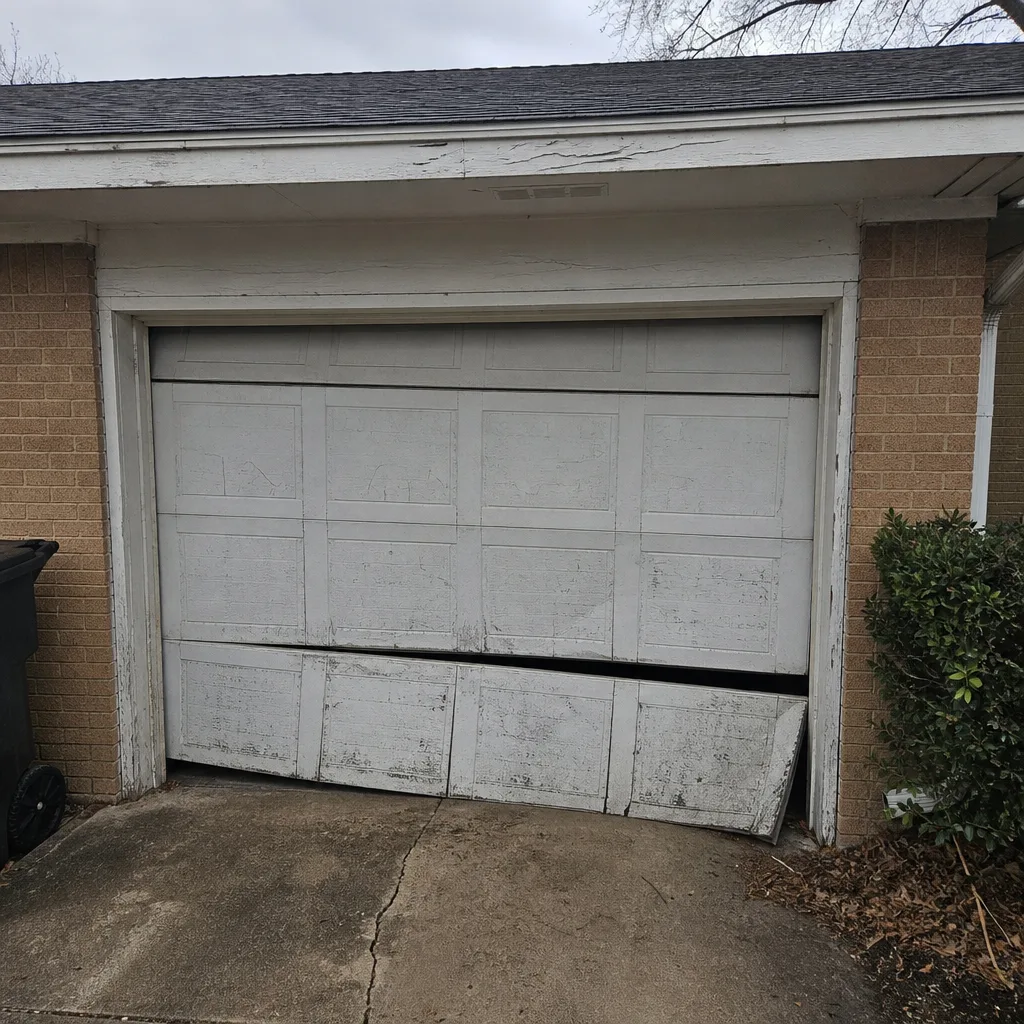
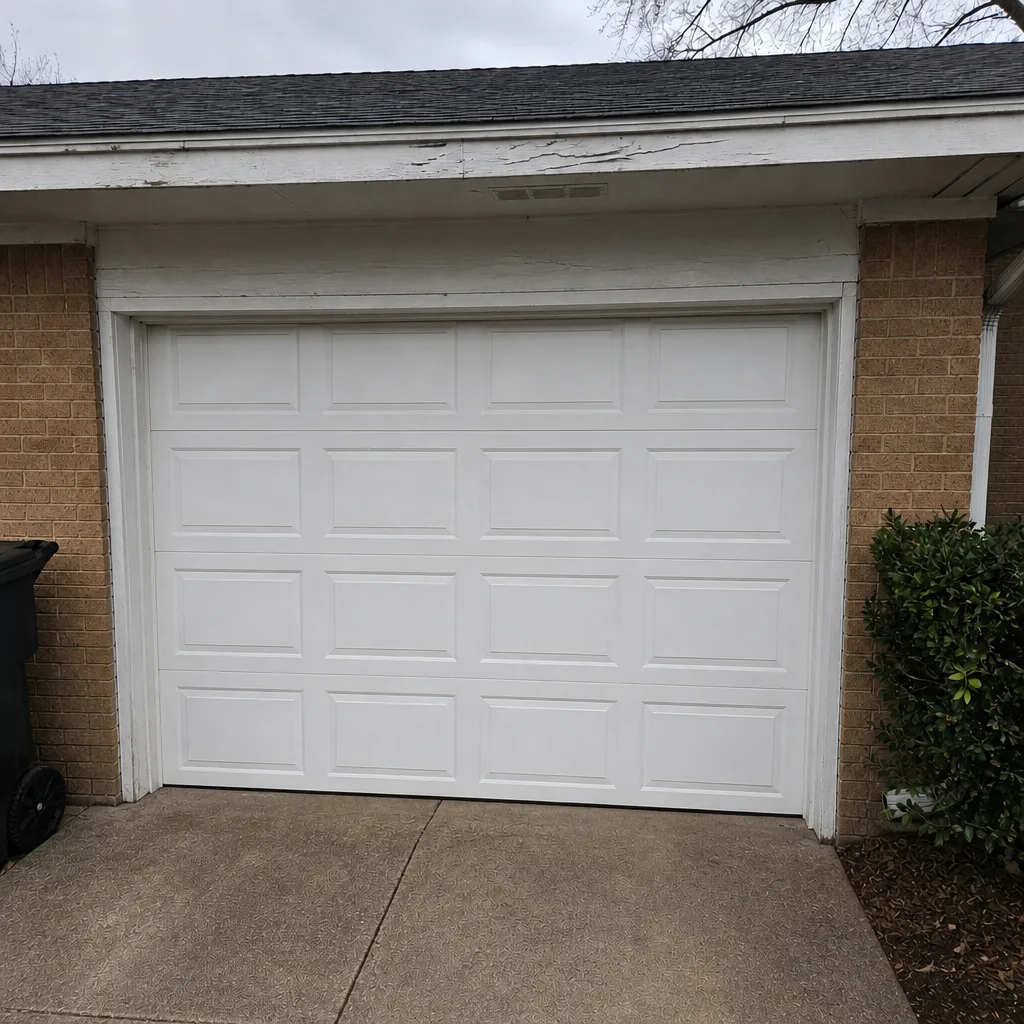
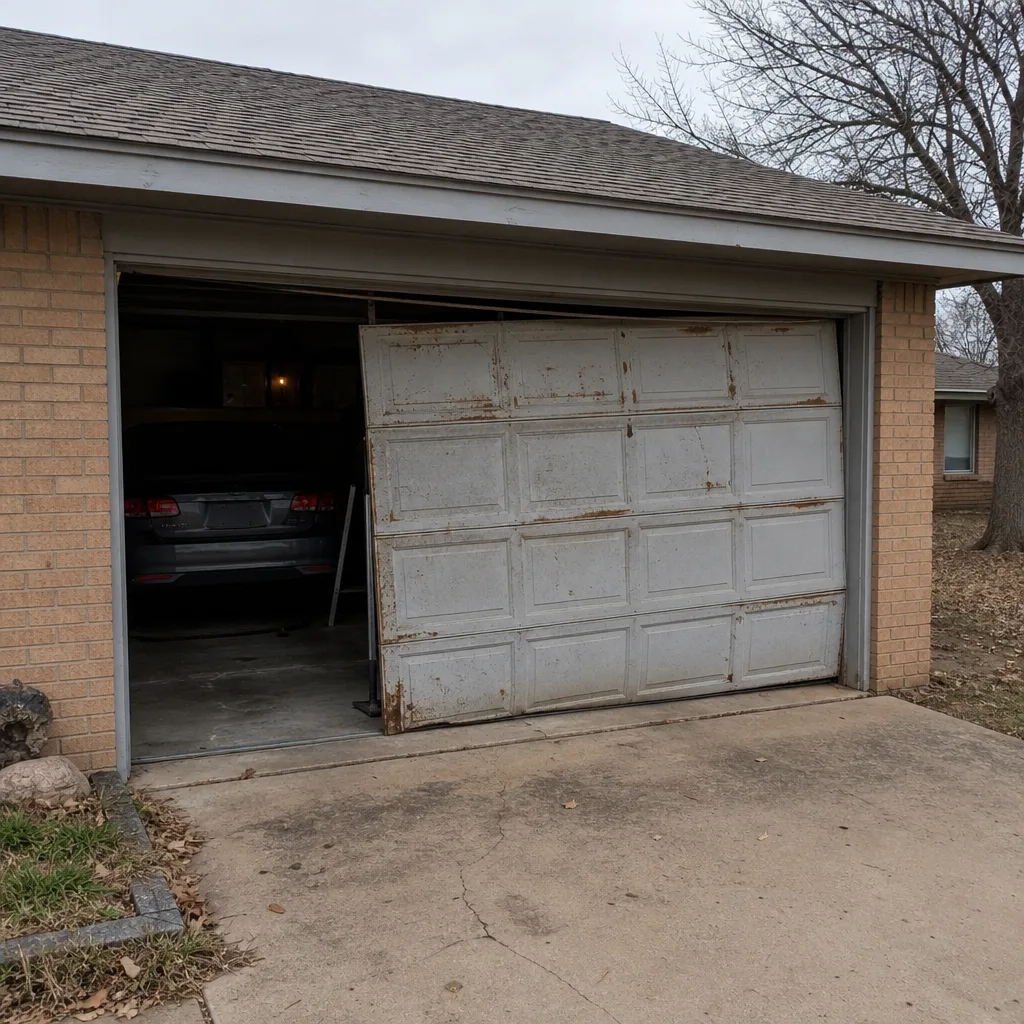
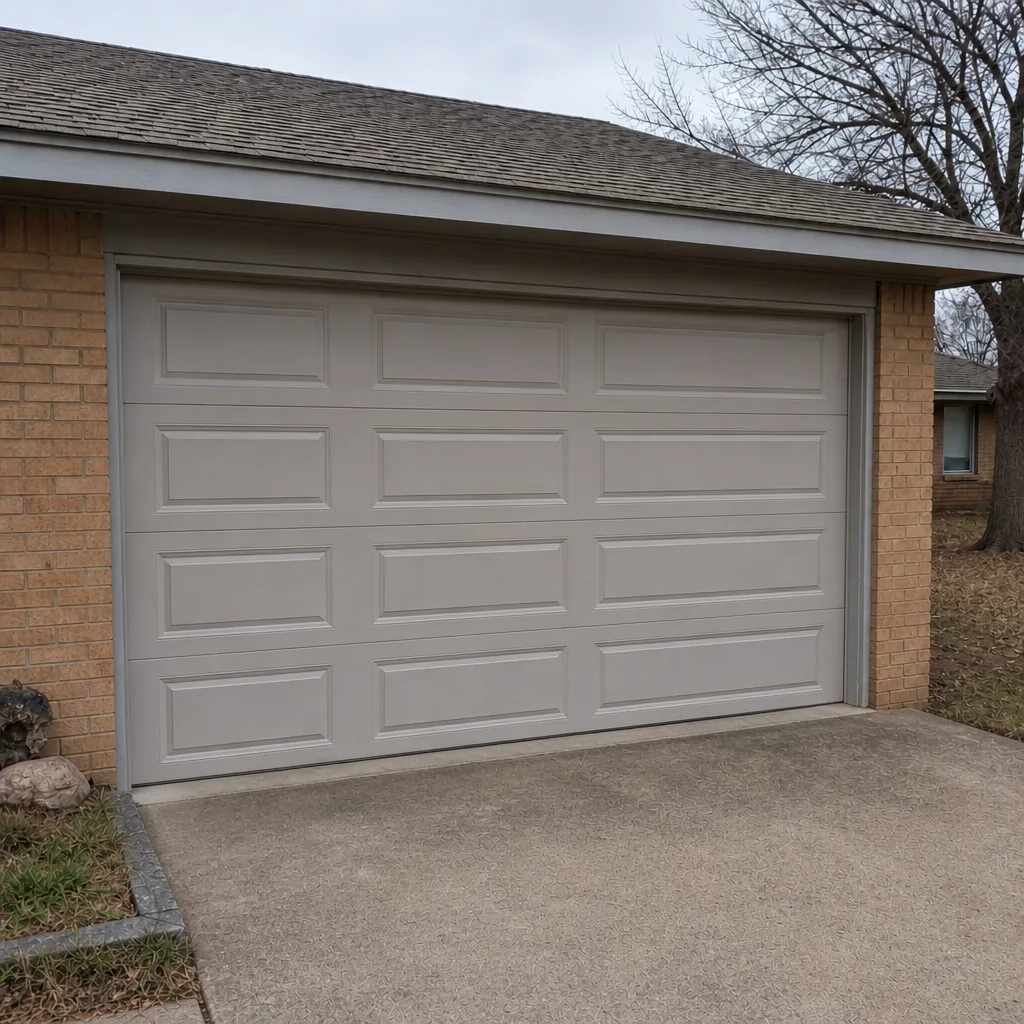
See the difference
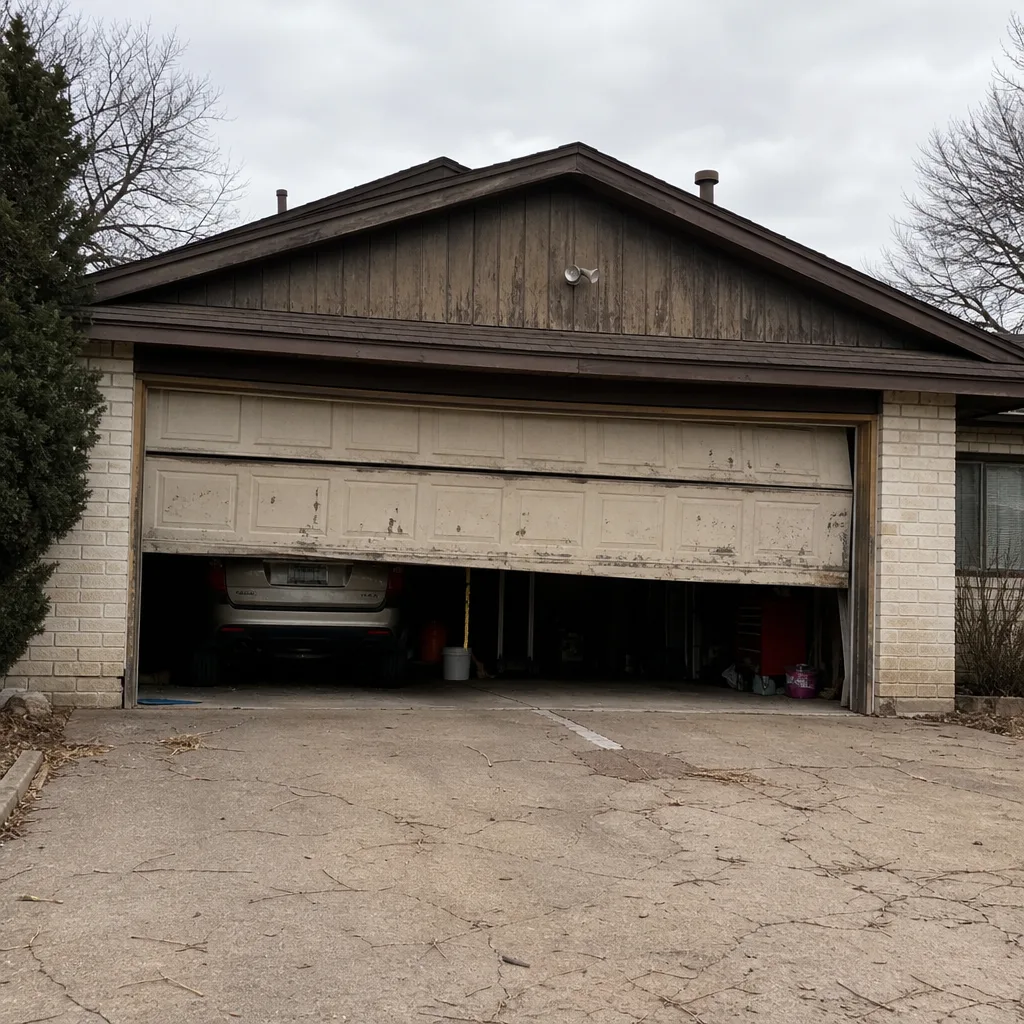 Before
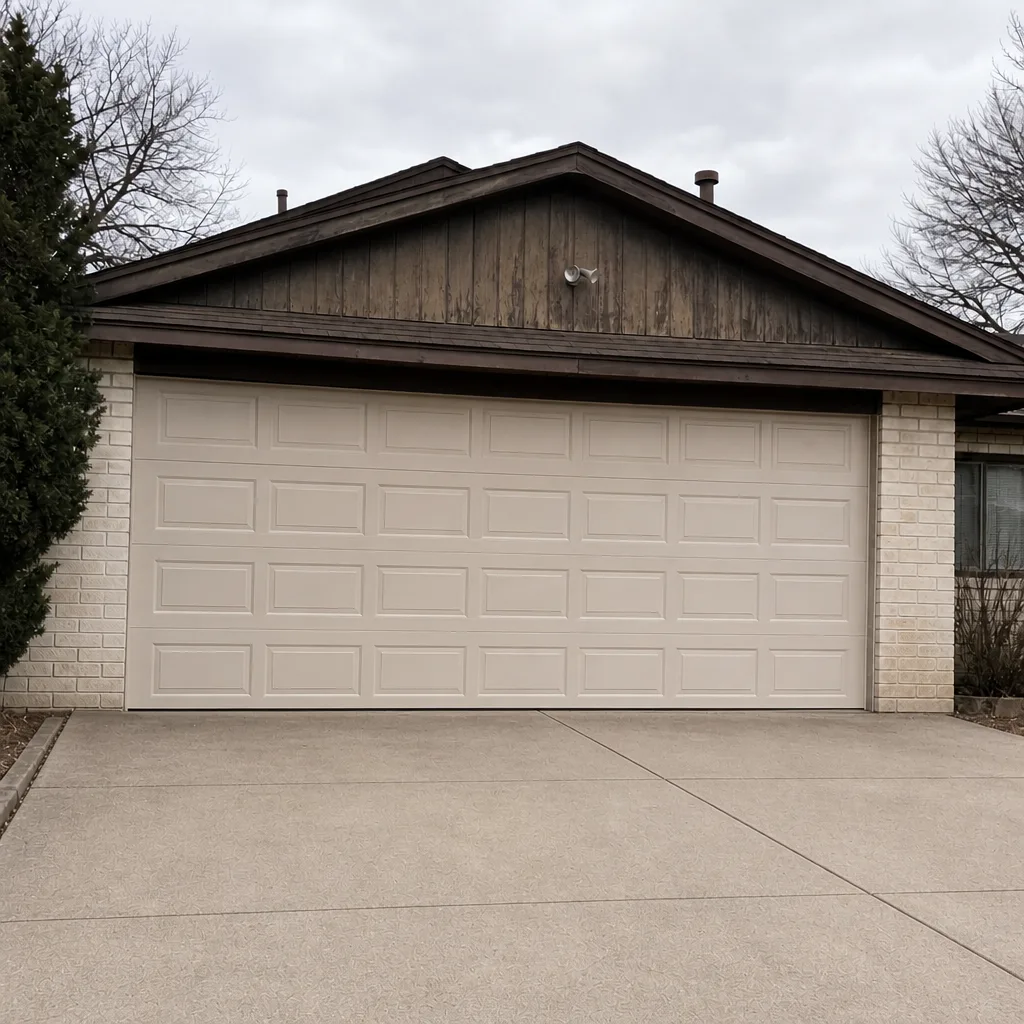 After
 Before
 After
 Before
 After
When to Call a Professional
Call when the door won’t stay up, when a spring or cable has visibly failed, when the door comes off its track, when the opener reverses or stalls, or when you’re planning a new installation and need to know whether a permit is required. Call before using the door again if you hear a bang or a grinding sound from the ceiling area. Call if the door has become hard to lift by hand, since that signals a balance problem that will stress the opener. Burgess Garage Door Repair connects homeowners in Abilene with licensed professionals, and our free estimates mean you’ll know the price before you commit. Call (844) 834-4604. We answer 24/7. Fast dispatch from 7am to 7pm, Sunday through Friday.
Frequently Asked Questions
No. A torsion spring on a residential door stores enough energy to cause serious injury the moment it lets go, and winding one without the right tools and training is how homeowners end up in the emergency room. Spring work belongs with a licensed technician. Call (844) 834-4604 for a free estimate.
In most cases, professional installation comes out ahead once you account for the time, the tools, and the callback risk. The unit price is the same either way, and the homeowner install typically takes a full day plus a helper. A professional install comes with a written quote set before the work starts, and the safety reverse and force settings are done to standard. Call (844) 834-4604 for an exact quote; estimates are free.
It can. Most major brands, including LiftMaster and Wayne Dalton, expect professional installation for the warranty term to apply in full. Self-installation or DIY adjustment on a covered door can limit coverage on a claim. A technician who works on your brand keeps the terms intact. Call (844) 834-4604 to check your setup.
It depends on the scope. A like-for-like repair usually doesn’t need one; a new installation or a change to the opening size often does. Ask the city’s building department directly before scheduling a new install, and plan for the safety reverse and photo-eye alignment to be inspected if a permit is required. Call (844) 834-4604 if you want the work done to inspection standard from the start.
Lubrication, cleaning the track and photo-eye lenses, wiping panels, testing the balance by hand, and replacing a remote battery are all safe. Anything that touches a spring, a cable, or the opener’s internal wiring is not. When in doubt, ask. Call (844) 834-4604 and we’ll tell you whether the job is worth DIY or worth booking.
Disengage the opener by pulling the release handle and try lifting the door by hand. If the door is very heavy or won’t stay up at the halfway point, the spring system has failed. If the door moves easily by hand but the motor won’t run it, the opener is the issue. Either way, stop using the door until it’s assessed. Call (844) 834-4604 for a free estimate.
The Bottom Line
The DIY versus professional decision comes down to which tasks carry real risk, not whether you’re handy. Lubrication, cleaning, and visual inspection are worth doing yourself. Springs, cables, opener internals, and full installations are not, because the consequences go beyond a botched repair into injury, voided warranty, and failed inspection. The middle path, prepping the space and knowing your brand and model before the technician arrives, keeps costs down without crossing into unsafe territory. For everything on the professional side, Burgess Garage Door Repair works on your brand and quotes the price before work begins. Call (844) 834-4604 for a free estimate. We answer 24/7. Fast dispatch from 7am to 7pm, Sunday through Friday, closed Saturday.
Written by the team at Burgess Garage Door Repair.